The pursuit of home aquatic fitness and therapy is increasingly harmonizing with a global imperative for energy conservation and sustainable living. The Energy Efficient Swim Jet represents the critical nexus of these values, transforming a traditionally high-consumption product into a model of intelligent design and operational economy. At Swimiles, we approach this not as a mere feature addition, but as a fundamental engineering philosophy that redefines what a swim jet system can and should be.
The paradigm shift is led by variable-speed motor technology. A conventional single-speed pump motor in a swim jet is analogous to driving a car only in first gear: it delivers maximum torque and power but at disastrous fuel efficiency and unnecessary wear. In contrast, a variable-speed drive (VSD) uses a permanent magnet motor or an induction motor with an integrated variable frequency drive (VFD). This allows the motor's rotations per minute (RPM) to be dialed precisely to the required hydraulic load. The energy savings are non-linear and profound; reducing pump speed by 50% can decrease energy use by nearly 80%, due to the affinity laws governing centrifugal pumps. For a device that may run for hundreds of hours annually, this translates to a dramatic reduction in kilowatt-hours consumed, often paying for the technology premium through utility savings within a few seasons.
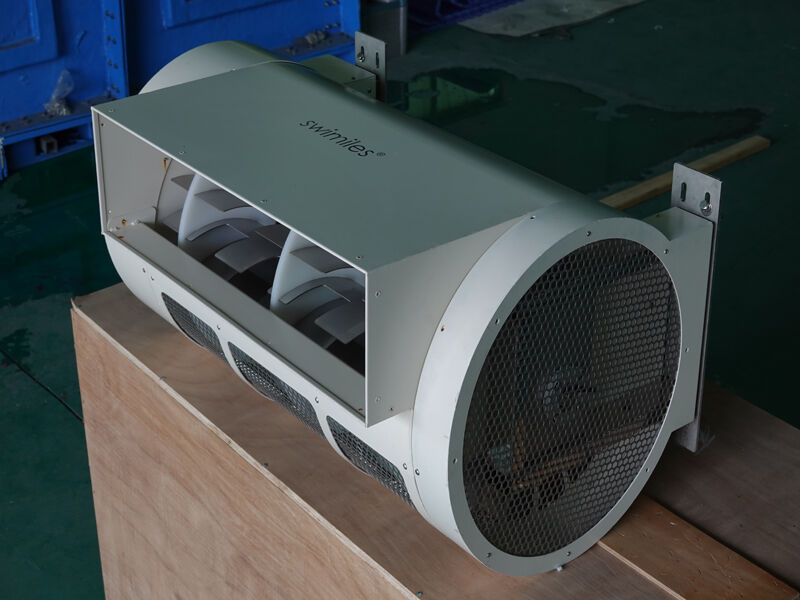
However, motor technology is only one pillar. Systemic hydraulic efficiency is equally crucial. The design of the wet end—the impeller, diffuser, and nozzle assembly—determines how effectively electrical energy becomes hydraulic energy (water flow). Advanced systems use computer-optimized, non-clog impellers and large, smooth volutes to reduce internal turbulence and friction losses. The goal is to achieve a high "wire-to-water" efficiency rating. Furthermore, the swim jet nozzle is engineered to create a broad, cohesive laminar flow rather than a turbulent, aerated stream. A smoother current requires less pump power to achieve the same perceived resistance for the swimmer, again contributing to lower energy draw for an equivalent or superior user experience.
The practical implications of an Energy Efficient Swim Jet extend beyond the electricity bill. Lower operating speeds result in significantly reduced noise and vibration, enhancing the tranquility of the backyard oasis. Reduced thermal and mechanical stress on seals, bearings, and other components leads to extended equipment lifespan and lower long-term maintenance costs. This creates a compelling value proposition where the initial investment is amortized over time through multiple channels of savings: direct energy costs, deferred replacement part costs, and enhanced product durability.
From a broader perspective, integrating such a system aligns with green building certifications (like LEED) for homes and reflects a growing consumer preference for brands that demonstrate environmental stewardship. It allows homeowners to enjoy the substantial personal benefits of on-demand aquatic exercise—improved cardiovascular health, muscle toning, low-impact joint therapy, and mental well-being—while minimizing their carbon footprint. The Swimiles EcoFlow Series embodies this holistic view. It is engineered to deliver the powerful, customizable current essential for serious training and relaxation, but does so through an intelligent platform that prioritizes resource conservation. It represents the mature evolution of water wellness technology: a system that is as responsible as it is powerful, making sustainable luxury an accessible reality for the discerning homeowner.

 EN
EN
![[Pool Only] 6'×15' SWIMILES Rectangular Quartz-Tile Steel Pool-Tile](https://shopcdnpro.grainajz.com/category/394044/2884/b0bb155d599f081d94223e1947c16cc4/%E5%B0%8F%E5%8F%B7%E6%B3%B3%E6%B1%A0%EF%BC%88%E7%81%B0%E7%A0%96%EF%BC%89.jpg)
![[Pool Only] 6'×15' SWIMILES Rectangular Quartz-Tile Steel Pool Wood-plastic composite panels](https://shopcdnpro.grainajz.com/category/394044/2884/8e6478d694f59c4ee9ae82affc598550/%E5%B0%8F%E5%8F%B7%E6%B3%B3%E6%B1%A0%EF%BC%88%E6%9C%A8%E7%BA%B9%EF%BC%89.jpg)