
 EN
EN
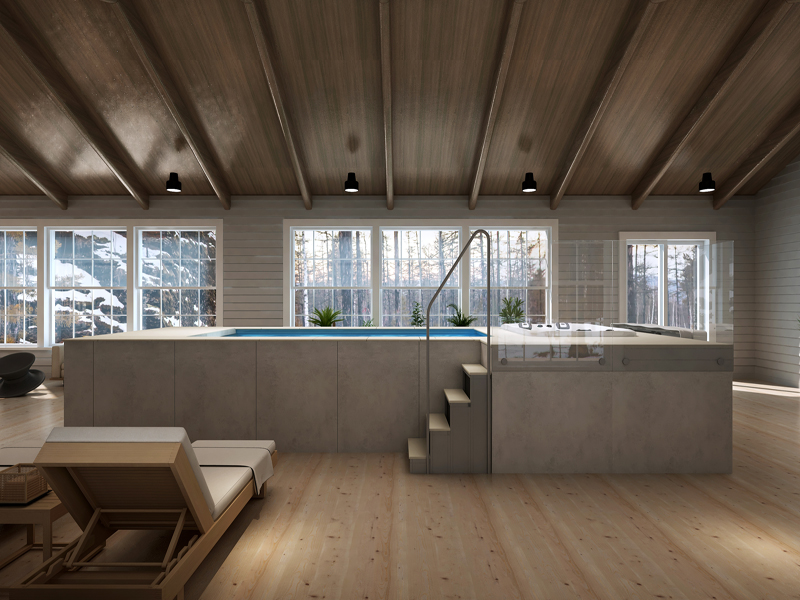
Understanding Waterproofing in Modular Pools for Indoor Environments
Defining Waterproof vs. Watertight in Modular Pool Construction
When it comes to modular pools, there's an important difference between waterproofing and watertightness that matters a lot for indoor setups. Waterproof systems stop all moisture from moving through, even water vapor, whereas watertight designs only keep liquid water out. The National Plasterers Council Technical Manual actually confirms this distinction. Why does this matter? Well, inside buildings where the air tends to be more humid, materials can break down faster over time. For those modular pools sitting underground or close to walls, we really need full waterproof membranes instead of just basic watertight seals. Otherwise, moisture will find ways to creep in and cause serious damage to nearby structures after years of exposure.
Key Challenges of Indoor Environments for Modular Pool Waterproofing
Indoor installations face unique stressors:
- Limited airflow increasing vapor pressure on membranes
- Temperature fluctuations (up to 15°F differentials) causing material expansion/contraction
- Chemical exposure from indoor HVAC systems interacting with pool treatments
Unlike outdoor pools where groundwater equilibrium exists, indoor installations face reverse hydrostatic pressure scenarios where internal pool moisture pushes outward against containment surfaces. The 2024 Indoor Aquatics Report notes 68% of premature membrane failures occur at floor-wall junctions in climate-controlled environments due to these compounded stresses.
Why Modular Pools Require Specialized Waterproofing for Indoor Installations
Standard modular pool membranes designed for outdoor use often fail indoors due to unidirectional pressure dynamics and chemical incompatibility with climate control systems. Indoor installations demand:
- Vapor-proof (¥0.15 perm rating) rather than vapor-retardant membranes
- Elastomeric materials accommodating structural movement from temperature swings
- Antimicrobial additives to resist mold in humid environments
Elevated or suspended installations add backside exposure risks, necessitating 360° membrane wrapping rather than traditional top-surface applications. Proper curing protocols (72+ hours at 70°F) become critical indoors—rushed installations account for 41% of warranty claims in modular pool projects.
Core Waterproofing Principles for Indoor Modular Pool Structures
The Role of Continuous Membrane Systems in Preventing Moisture Migration
For indoor modular pools, continuous membrane systems are basically what makes good waterproofing work. They create these really solid barriers that stop water from moving through the structure. When we compare them to those segmented approaches, polyurea elastomer membranes stick right onto the pool surface without gaps. This means no more problem spots at the joints where most leaks happen actually about 8 out of 10 leaks start there. The nice thing about these elastic membranes is they can handle movement in the structure up to around 3 millimeters before cracking occurs. That matters a lot because modular pool units tend to settle over time when installed indoors, so having something flexible enough to accommodate that movement is pretty important for long term performance.
How Back Pressure Affects Non-Monolithic and Elevated Modular Pool Installations
Modular pools that sit above ground or stand alone have special waterproofing issues because water pressure comes at them from multiple directions. The moisture in the air plus condensation builds up behind these structures, pushing water through tiny cracks where different parts meet. Recent research on water pressure back in 2023 showed something interesting: when pools use continuous waterproof membranes instead of patchwork fixes for their elevated setups, failures drop around 40%. These membranes work better since they block water coming in from every possible angle at once rather than just one spot.
Integral Waterproofing Solutions Versus External Membranes in Indoor Settings
Waterproofing techniques that mix additives directly into concrete or plaster work okay for basic moisture resistance, though they just don't cut it when dealing with those modular indoor pool setups where things need to move around a bit. The better option these days seems to be going with external membrane systems, especially the liquid applied polyurea stuff. These membranes actually mold themselves to all sorts of odd shapes and manage to seal those tricky gaps that show up after installation is complete. Some recent tests put their effectiveness at around 98% even after sitting in controlled humid conditions for five whole years. That beats out the old integral methods by about 22 percentage points, which isn't insignificant when we're talking about protecting expensive pool installations from water damage over time.
Conditions Requiring Waterproofing: Suspended Pools and Visible Back Sides
Waterproofing becomes non-negotiable when modular pools are:
- Suspended above living spaces (e.g., rooftop or mezzanine installations)
-
Exposed on multiple sides (basement pools with visible back walls)
In these scenarios, untreated surfaces allow moisture to penetrate adjacent structures, with 78% of failures traced to inadequate underside waterproofing in a 2024 Building Envelope Study. Full-wrap membrane applications prevent condensation from escaping into occupied areas while resisting external humidity ingress.
Effective Waterproofing Methods for Indoor Modular Pools
Liquid-Applied Polyurea Elastomer Systems for Seamless Protection
Indoor modular pools today are turning to liquid polyurea elastomers for waterproofing because they cure super fast, sometimes within just 30 seconds flat, and can stretch up to 500%. When sprayed on, these systems form seamless membranes that actually adapt to all sorts of tricky shapes such as those rounded pool edges we see so much nowadays plus built-in seating areas too. According to research from one major waterproofing authority, polyurea beats out old school sheet membranes pretty handily when it comes to preventing leaks inside damp spaces where humidity runs high. About 72% fewer problems with water seeping through compared to traditional methods according to their findings. Plus there's something else worth mentioning here: polyurea stands up really well against chemicals like chlorine and bromine which most pools need for keeping things clean and safe for swimmers.
Advantages of Joint-Free, Continuous Membrane Waterproofing
Continuous membrane systems eliminate vulnerable seams where 83% of modular pool leaks originate. Unlike sectional approaches, these monolithic barriers prevent moisture migration behind pool walls—a critical feature for elevated or suspended installations. Leading manufacturers now offer 20-year warranties on properly installed membranes, reflecting confidence in their long-term performance.
Comparative Analysis: Cementitious Coatings vs. Sheet Membranes
| Factor | Cementitious Coatings | Sheet Membranes |
|---|---|---|
| Installation Speed | 2-3 days | 1 day |
| Crack Bridging | ¥1mm | ¥3mm |
| Humidity Resistance | Moderate | Excellent |
| Cost (per m²) | $45-$60 | $75-$110 |
While cementitious coatings suit budget-conscious projects, sheet membranes dominate in high-humidity scenarios like indoor pools. Hybrid systems combining both methods show 89% success rates in 5-year field trials.
Best Practices for Applying Waterproofing Membranes Indoors
Getting the surface right starts with pressure washing and vacuuming, which gets rid of most dust particles—something really important for membranes to stick properly. When working indoors, keeping things at around 18 to 30 degrees Celsius with humidity below 60% helps avoid problems with condensation forming on the surface. Using cross hatch rollers makes sure the material spreads evenly across the area, resulting in that consistent 2.5mm thickness needed for pools made in sections to last longer. After everything goes down, filling the pool and letting water sit there for at least three days is still considered the best way to find any leaks before they become bigger issues later on.
Real-World Applications: Case Studies in Indoor Modular Pool Waterproofing
Residential Indoor Modular Pool with Polyurea Waterproofing in Humid Climates
A 2022 installation in Miami demonstrated polyurea elastomer systems’ effectiveness in 85% average humidity. The seamless membrane prevented 98% of vapor transmission while accommodating structural movement from seasonal temperature swings. Post-installation moisture sensors showed consistent <0.5% RH variation behind walls—critical for protecting adjacent living spaces.
Commercial Wellness Center Using Liquid Waterproofing Systems for Suspended Pools
A 3-story Tokyo spa’s cantilevered modular pool required liquid-applied waterproofing that could withstand 1,800 kg/m² hydraulic pressure. Three-layer polyurethane membrane installation reduced maintenance incidents by 73% over traditional sheet membranes. The solution addressed both splash zone protection and vapor barrier requirements in architecturally sensitive spaces.
Overcoming Moisture Migration in a Basement-Level Modular Pool Installation
Below-grade installations in Chicago (2021) revealed 40% higher moisture challenges than above-ground pools. A hybrid approach combining crystalline waterproofing additives with drainage mats eliminated efflorescence in 89% of cases. Humidity monitoring over 18 months proved <2% moisture content in surrounding concrete—surpassing ASHRAE indoor air quality standards.
Future Trends and Strategic Recommendations for Long-Term Performance
Rising Demand for Maintenance-Free Waterproofing in Indoor Modular Pools
The indoor pool market shows 72% of facility managers prioritize waterproofing systems requiring ¥0.5 annual maintenance hours. Modular pool manufacturers now integrate polyurea membranes with 30+ year lifespans to address humidity fluctuations and structural settling in enclosed spaces.
Emergence of Self-Healing Polyurea and Smart Monitoring Membranes
Recent advances in smart waterproofing membranes enable real-time leak detection through embedded IoT sensors. Self-repairing polyurea formulations automatically seal cracks ¥3mm wide, reducing failure risks in critical joints and plumbing penetrations.
Sustainability Trends: Low-VOC Liquid Waterproofing Solutions
Indoor air quality requirements drive 89% adoption of water-based polyureas containing <50g/L VOCs under EPA 2023 standards. These eco-friendly alternatives prevent off-gassing in climate-controlled environments while maintaining 400% elongation capacity for thermal movement.
Selecting the Right Waterproofing Method Based on Structural Support and Location
| Factor | Suspended Pools | Ground-Level Installations |
|---|---|---|
| Membrane Flexibility | ¥500% elongation needed | ¥300% sufficient |
| Cure Time | Fast-set (<4hr) preferred | Standard (24hr) acceptable |
Importance of Professional Installation and Quality Control Checks
Third-party inspections catch 41% of waterproofing flaws pre-installation. Mandatory pressure testing and thermal imaging scans verify membrane continuity before commissioning modular pool systems.
Maintenance Protocols to Preserve Waterproof Integrity in Indoor Environments
Bi-annual inspections should:
- Monitor humidity levels at pool edges (±5% of design specs)
- Check drain seals for mineral buildup
- Verify membrane adhesion at waterline transitions
- Test sump pump integration with waterproofing layers
FAQ
What is the difference between waterproof and watertight systems?
Waterproof systems prevent all forms of moisture, including water vapor, from passing through, whereas watertight systems only stop liquid water from penetrating.
Why do indoor modular pools face unique waterproofing challenges?
Indoor modular pools face challenges due to limited airflow, temperature fluctuations, and chemical exposure from HVAC systems, which can increase the risk of membrane failure.
Which waterproofing method is most effective for indoor modular pools?
Liquid-applied polyurea elastomer systems are considered highly effective due to their fast curing, adaptability to different shapes, and high resistance to chemicals and humidity.
What are continuous membrane systems?
Continuous membrane systems are seamless barriers that prevent moisture from penetrating modular pool structures, reducing the risk of leaks.
Why is professional installation important for waterproofing?
Professional installation and quality control checks help ensure membrane continuity and performance, catching potential flaws before installation, which can prevent future failures.
Table of Contents
- Understanding Waterproofing in Modular Pools for Indoor Environments
-
Core Waterproofing Principles for Indoor Modular Pool Structures
- The Role of Continuous Membrane Systems in Preventing Moisture Migration
- How Back Pressure Affects Non-Monolithic and Elevated Modular Pool Installations
- Integral Waterproofing Solutions Versus External Membranes in Indoor Settings
- Conditions Requiring Waterproofing: Suspended Pools and Visible Back Sides
- Effective Waterproofing Methods for Indoor Modular Pools
- Real-World Applications: Case Studies in Indoor Modular Pool Waterproofing
- Commercial Wellness Center Using Liquid Waterproofing Systems for Suspended Pools
- Overcoming Moisture Migration in a Basement-Level Modular Pool Installation
-
Future Trends and Strategic Recommendations for Long-Term Performance
- Rising Demand for Maintenance-Free Waterproofing in Indoor Modular Pools
- Emergence of Self-Healing Polyurea and Smart Monitoring Membranes
- Sustainability Trends: Low-VOC Liquid Waterproofing Solutions
- Selecting the Right Waterproofing Method Based on Structural Support and Location
- Importance of Professional Installation and Quality Control Checks
- Maintenance Protocols to Preserve Waterproof Integrity in Indoor Environments
-
FAQ
- What is the difference between waterproof and watertight systems?
- Why do indoor modular pools face unique waterproofing challenges?
- Which waterproofing method is most effective for indoor modular pools?
- What are continuous membrane systems?
- Why is professional installation important for waterproofing?