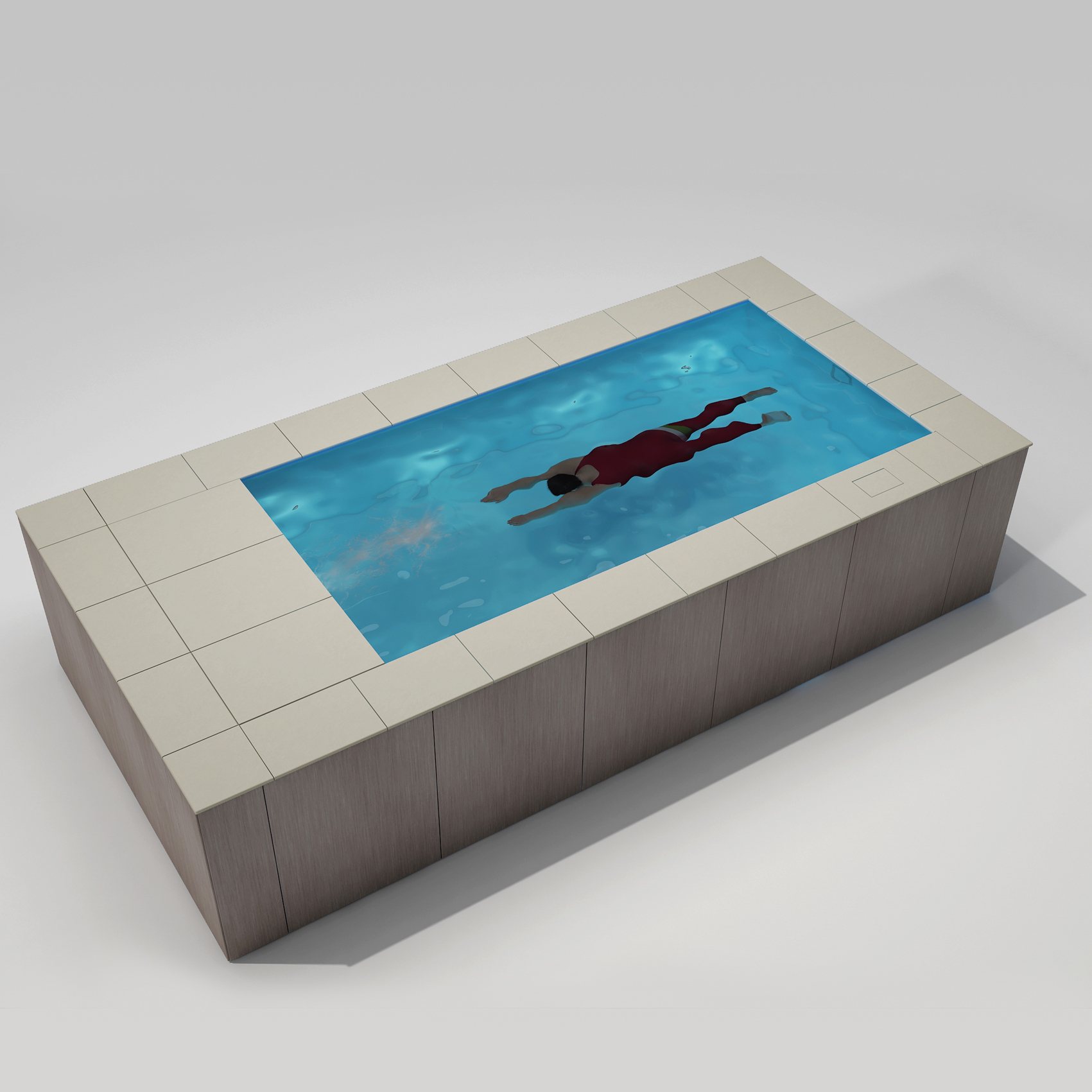
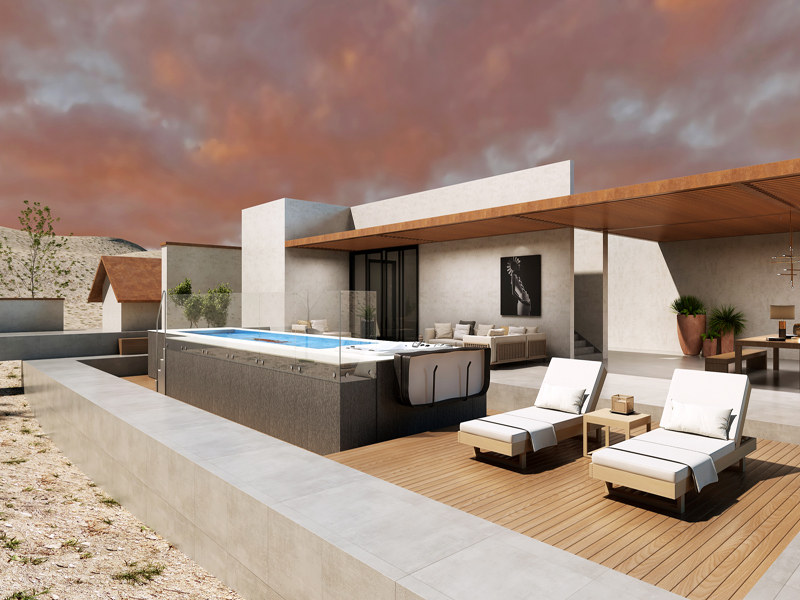
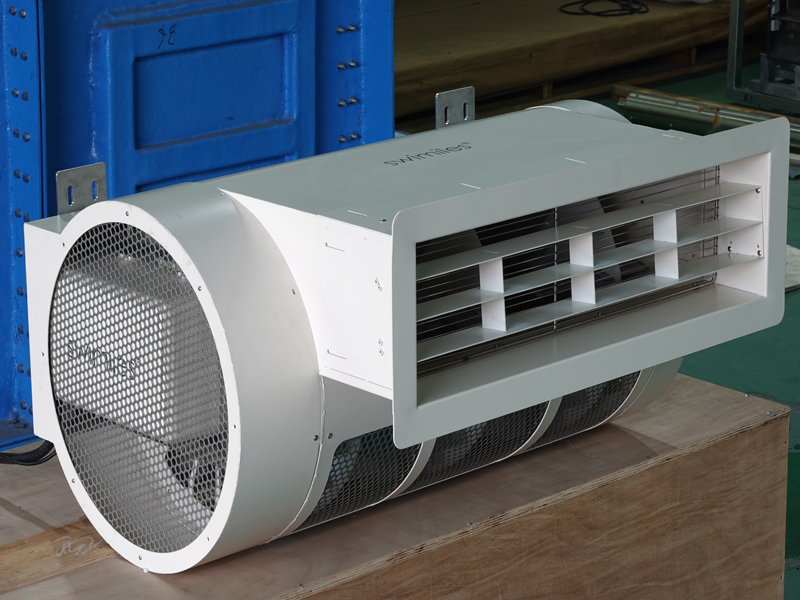
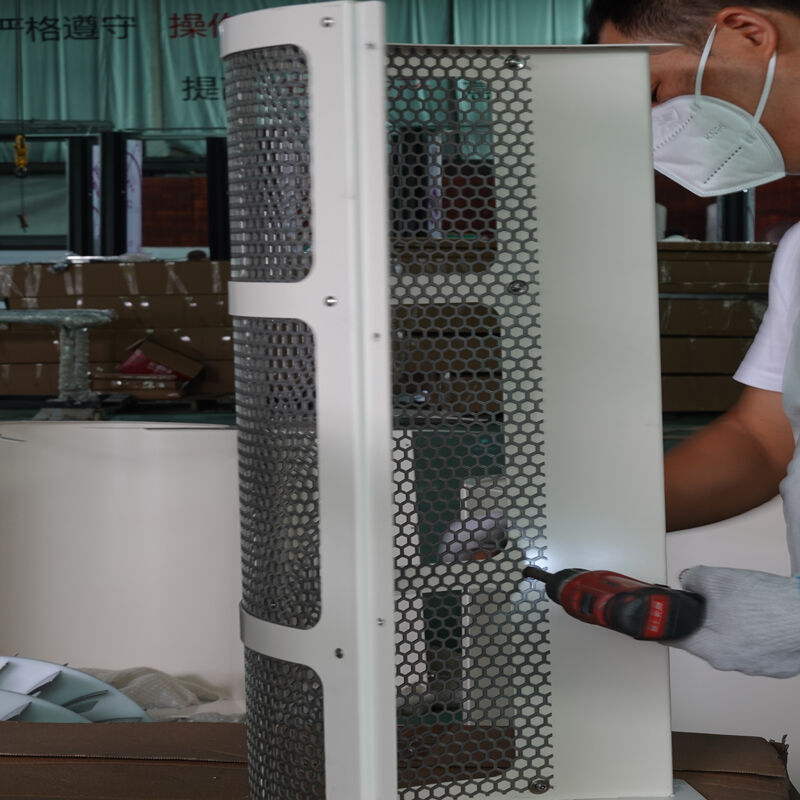
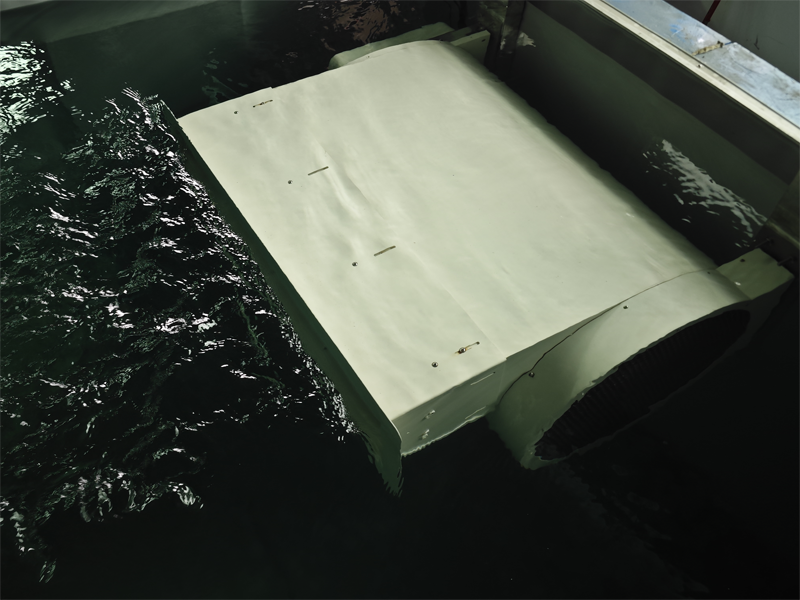
The allure of an indoor swimming pool is undeniable: a private, weather-proof sanctuary for exercise, therapy, and leisure. However, the static nature of a traditional indoor pool can limit its utility, especially for fitness enthusiasts seeking a dynamic swimming experience. This is where the specialized Indoor Pool Swim Jet becomes a transformative addition, effectively converting a placid body of water into a versatile, year-round aquatic training and wellness center.
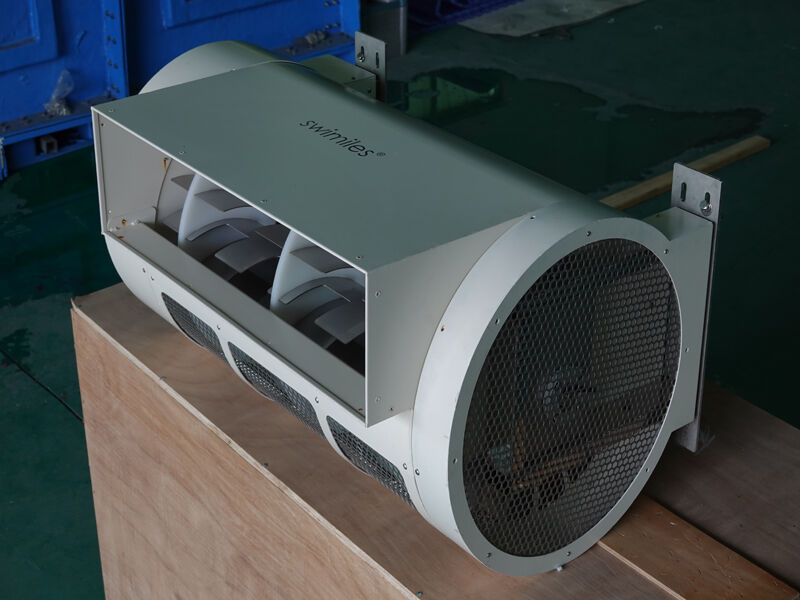
The core function of an Indoor Pool Swim Jet is to generate a controllable, opposing current against which a person can swim in place. For indoor applications, this technology must be evaluated beyond mere horsepower. The first critical consideration is spatial integration and installation flexibility. Indoor pools often have pre-existing finishes (like tile, mosaic, or vinyl) and structural constraints. A premium swim jet system should offer flexible installation options—such as recessed, semi-recessed, or wall-mounted configurations—to adapt to different pool wall constructions and desired aesthetic outcomes. The hydraulic system must be powerful yet compact, often utilizing a remote pump placed in a separate mechanical room to save space and further reduce in-room noise, connected via discreet plumbing.
The second, non-negotiable criterion for indoor use is acoustic performance. In an enclosed space, sound is amplified and can become a significant nuisance. The quest for a quiet system hinges on several engineering principles: the use of a variable-speed pump that operates at lower, efficient RPMs during most settings; the isolation of motor vibrations from the pool structure using specialized mounts; and the hydraulic design of the intake, impeller, and nozzle to minimize turbulent water cavitation, which is a primary source of noise. The result should be a system where the sound of flowing water masks any mechanical hum, preserving the serene atmosphere essential to an indoor wellness environment.
Third, the system must be compatible with the indoor pool's microclimate. The warm, humid, and chemically active air in an indoor pool room accelerates the corrosion of metals and the degradation of some plastics. Therefore, materials of construction are paramount. Components in contact with pool water or exposed to the atmosphere should be made of 316L stainless steel, high-quality bronze, or engineered polymers specifically rated for continuous aquatic use. Furthermore, the system should contribute positively to the pool's hydrodynamics. A well-positioned swim jet improves overall water circulation, helping to prevent dead spots where heat and chemicals can stratify. This not only enhances swimmer comfort but also supports more efficient pool heating and sanitization.
From a user experience and health perspective, an Indoor Pool Swim Jet elevates the pool's purpose. It enables serious cardiovascular and muscular endurance training without the need for frequent turns, making it ideal for technique work. It provides an excellent medium for low-impact, high-resistance physical therapy and rehabilitation in a controlled, private setting. It also adds an element of dynamic fun for family use, turning the pool into a playful current channel. By offering adjustable speed settings, it caters to users of all ages and abilities, from children playing to elite athletes training.
In essence, integrating a Swimiles Indoor Pool Swim Jet is an investment in maximizing the functionality, enjoyment, and value of your indoor pool. It addresses the unique demands of the indoor environment through thoughtful engineering, ensuring that your private oasis is not just a place to get wet, but a fully-equipped, year-round destination for health, fitness, and holistic water wellness.

 EN
EN
![[Full Set] 6'×15' SWIMILES Rectangular Quartz-Tile Steel Pool-Tile](https://shopcdnpro.grainajz.com/category/394044/2884/3b91ad392821e5515e3df1fe82e4acec/7085%EF%BC%88%E7%81%B0%E7%A0%96%EF%BC%8901.jpg)
![[Pool Only] 6'×21' SWIMILES Rectangular Quartz-Tile Steel Pool-Tile](https://shopcdnpro.grainajz.com/category/394044/2884/9d560ce8ba06494635ad5aba62b19994/%E4%B8%AD%E5%8F%B7%E6%B3%B3%E6%B1%A0%EF%BC%88%E7%81%B0%E7%A0%96%EF%BC%89.jpg)
![[Pool Only] 6'×27' SWIMILES Rectangular Quartz-Tile Steel Pool - Brushed aluminum composite panels](https://shopcdnpro.grainajz.com/category/394044/2884/418c20d428c84df781fc223ce1d54ac2/%E5%A4%A7%E5%8F%B7%E6%B3%B3%E6%B1%A0%EF%BC%88%E6%8B%89%E4%B8%9D%EF%BC%89.jpg)