
 EN
EN
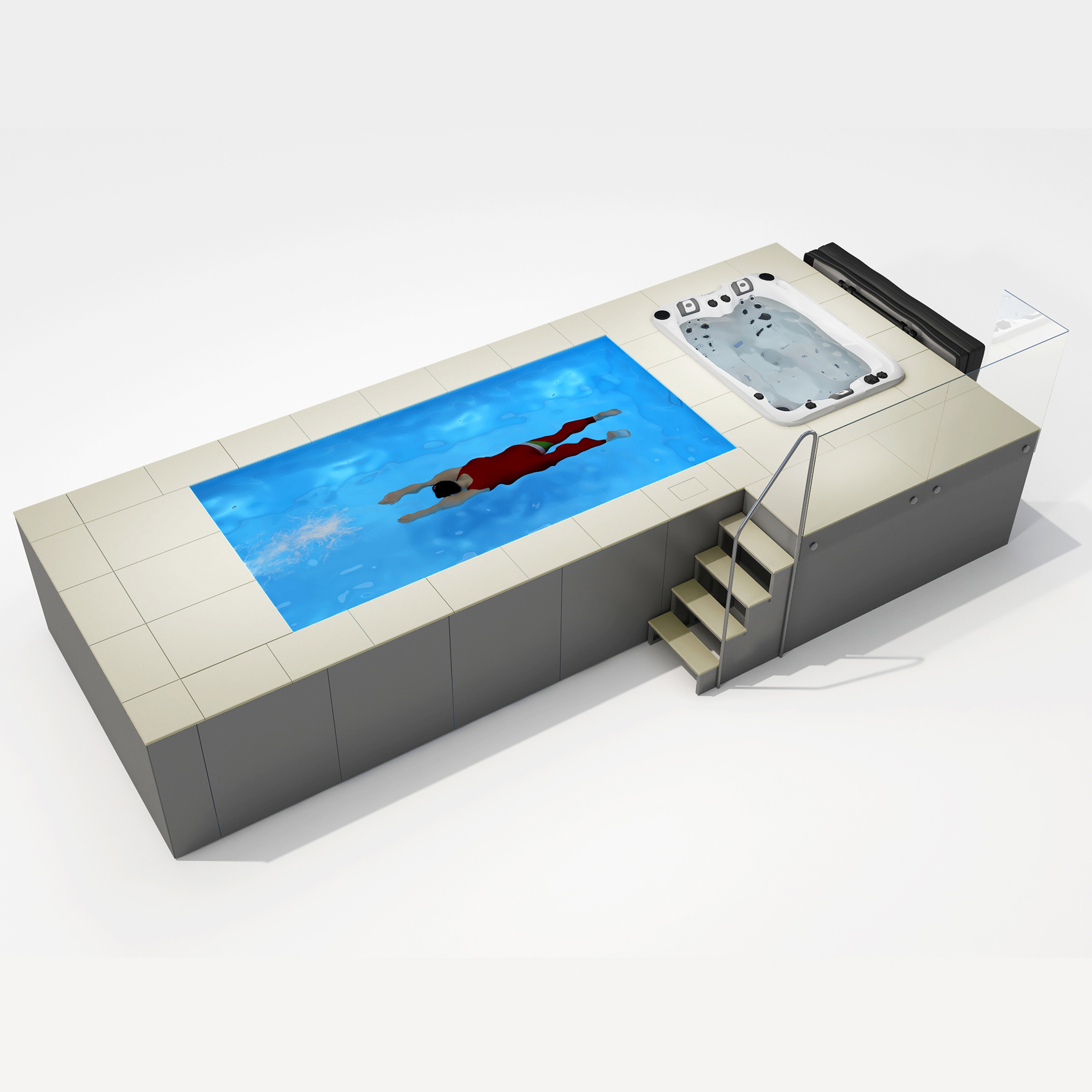
Understanding Spa Pool and Modular Pool Integration
Defining Spa Pool and Modular Pool Integration
When combining spa pools with modular pools, homeowners essentially merge two water features into one backyard oasis that shares everything from heating systems to filters and overall design style. The result? A smooth transition between areas for relaxation and swimming without any awkward breaks in the flow. Many modern setups achieve this by using matching materials throughout both sections. Composite decking works great around the edges, and some folks go all out with tempered glass tiles that make the boundary between spa and pool practically disappear. Design magazines and online forums have been talking about these integrated systems for years now, showing how they transform ordinary backyards into something special.
Growing Demand for Combined Aquatic Features in Residential Landscapes
More and more homeowners want their outdoor areas to do double duty these days. Landscape architects have noticed this shift firsthand, with around two thirds saying they're getting asked about combining spas and pools in city lots according to ASLA's latest report from last year. Makes sense really when thinking about small backyards where every square foot counts. These combined setups give people places to work out and relax all in one spot. The cost savings are pretty impressive too. When builders can share things like plumbing and electrical systems between the pool and spa area, digging costs drop by nearly a third compared to installing them separately. That kind of money saving adds up fast for anyone building something new on a tight budget.
Alignment with Modern Backyard Design Trends
Contemporary landscape architecture favors clean lines and multipurpose features, making integrated spa pools a natural fit. Designers achieve visual continuity through three key strategies:
- Matching water levels for seamless overflow effects
- Coordinating lighting systems across both zones
- Using cantilevered edges to create elevated spa platforms
These techniques align with the material consistency principles driving modern luxury outdoor designs, where unified stone textures and geometric shapes create resort-style aesthetics. Temperature-controlled zoning allows simultaneous pool cooling (78–82°F) and spa heating (100–104°F) through smart system partitioning.
Design Options for Seamless Spa and Modular Pool Combinations
Integrated Spa Design: Creating Seamless Transitions Between Spa and Pool Areas
When integrating spas with pools these days, designers have figured out ways to get rid of those ugly dividing lines between them. They do this by raising parts of the spa area slightly and creating shared water elements that flow together naturally. Take spillover designs for instance – hot water from the spa just flows right into the main pool which is usually cooler. Pretty cool looking and it keeps each section at its own ideal temperature too. The latest building methods let contractors install everything so seamlessly that the actual spa seats look like they're part of the pool itself along the edges. From what we've seen in recent projects, this kind of integrated setup actually cuts down on digging expenses by around 15 to maybe even 20 percent when compared to old school installations where everything had to be built separately. Aquatic Design Journal reported similar findings back in 2023.
Achieving Design Consistency: Matching Tiles, Water Levels, and Shapes
Cohesive aesthetics require aligning three key elements:
- Material continuity: Replicating tile patterns from pool coping to spa walls
- Hydraulic synchronization: Maintaining ±1” water level differential between zones
- Geometric harmony: Using circular spas to soften rectangular pools or angular designs to complement linear layouts
Custom vs. Pre-Engineered Spa-Pool Solutions for Modular Systems
While pre-engineered kits offer faster installation (3–5 days), custom EPS foam-core designs provide superior flexibility for irregular spaces. Modular hybrid systems enable homeowners to add features like submerged loungers or cascading steps without compromising structural integrity. A 2023 industry survey showed 68% of integrated spa-pool projects now use hybrid approaches.
Case Study: Luxury Cantilevered Spa Integrated with a Modular Pool
In New Zealand not too long ago, someone built this amazing spa setup where a 12 foot cantilevered spa hangs 18 inches above a modular pool below it. The look is stunning. They went all out with matching glass mosaic tiles on both parts of the structure, and hid those jets just right so water flows over the edges in a really nice way. What's cool is how they kept the spa heated separately at around 104 degrees Fahrenheit while the main pool stayed cooler at about 78 degrees. Shows that practical stuff doesn't have to ruin good looks when designing these kinds of spaces.
Functional and Aesthetic Benefits of Combining Spa Pool with Modular Pools
Enhanced Relaxation and Recreational Use Through Combined Spa and Pool Setups
Combining a spa pool with separate swimming sections makes backyards much more useful for both fun and unwinding. According to the National Swimming Pool Foundation from last year, people who have these combined setups are about 78% happier than those with just regular pools alone. The main reason? Everyone can use the space at once without getting in each other's way – kids splash around in their own area while parents soak in the hot tub nearby. We're seeing this trend grow fast too. Demand for these kinds of backyard wellness spots has jumped by 62% since 2021, probably because so many folks now work from home part time and need flexible places where they can relax after work or spend quality time with family.
Space and Cost Efficiency in Integrated Spa-Pool Designs
When builders incorporate these water features right from the start of construction, they typically save around 18 to maybe even 22 percent on materials versus trying to add them later (according to the International Builders' Housing Survey from last year). The shared filtration setups and common foundations really cut down on yearly maintenance bills too, somewhere between four hundred and six hundred dollars saved each year. Plus, when everything is installed together instead of separately, homeowners end up keeping about thirty to forty percent more outdoor space available for gardens or just plain old fun activities. Most major companies in the industry have caught onto this trend already, offering ready-made combinations of spas and pools with those standardized connections that make installation much easier for contractors to handle.
Visual Harmony via Unified Materials, Elevation, and Layout
Modern integration techniques enable precise alignment of water levels (±1/4" tolerance), tile patterns (96% color match guarantee), and deck elevations for slope-controlled drainage. This precision creates seamless transitions between zones, with 84% of landscape architects prioritizing material continuity as the top design factor in luxury projects (American Society of Landscape Architects, 2023).
Rise of Dual-Purpose Aquatic Installations in Urban Housing Developments
In metro areas where backyard space is at a premium, compact spa pool setups have become pretty common these days, making up about 58% of all new water features installed according to NAR data from last year. Contractors really like these combo units because they work around those tight zoning rules, cut down on paperwork since everything gets approved as one unit, and boost home value somewhere between 12 to maybe even 15 percent compared to just having a pool. What's interesting is how these clever design solutions show that homeowners don't have to choose between style and smart space usage when planning their outdoor living areas.
Technical and Installation Considerations for Spa Pool Integration
Plumbing and Heating System Integration for Spa and Pool Zones
Connecting the plumbing between spa pools and modular pools needs careful planning because these systems operate at different speeds and temperatures. According to the Aquatic Engineering Report from 2023, when facilities share their filtration systems instead of running them separately, they save about 34% on energy bills. But there's a catch - those shared systems need special bypass valves so the spa heater doesn't interfere with the main pool circulation. For jet lines in spas, plumbers generally go with corrosion resistant PVC tubing that handles temperatures above 110 degrees Fahrenheit. Regular pool return lines usually stick to standard materials rated for around 80 degrees. The difference matters a lot since spa water gets much hotter than regular pool water during operation.
Material Compatibility in Spa and Modular Pool Construction
When combining fiberglass spas with concrete modular pools, it's really important to install expansion joints between them. These joints help stop cracks that happen when materials expand and contract with temperature changes. The good news is manufacturers have started making better material combinations lately. Some companies now sell quartz aggregate finishes that work well across both the pool area and spa section. Recent research in material sciences suggests these integrated systems cut down on chemical imbalances by around 27%, which makes maintenance easier over time. One thing contractors should check before installation is whether the acrylic shells used for spas will stick properly to the pool coping adhesives. If they don't match up right, there's a real risk of the surfaces peeling away from each other down the road.
Installation Best Practices and Structural Alignment
According to research published by the National Pool Builders Association in 2024, about two thirds of problems during pool installations actually come down to bad groundwork. Getting the base right matters a lot. The pros talk about needing to level everything out with lasers so there's no more than an eighth of an inch difference anywhere across the whole area. They also stress putting those extra strong concrete rings around the edges of hot tubs and making sure different materials don't just sit next to each other without some kind of special tape between them for stability. Most folks who build modular pools will tell anyone willing to listen that finishing off all the tile work on spas should happen long before they ever get attached to the main body of the pool itself. This order makes sense when thinking about how things fit together properly.
Managing Differing Temperature Requirements Between Spa and Pool
Advanced systems now use insulated baffles and dual-zone heat pumps to maintain spa temperatures at 104°F while keeping pools at 78–82°F—a 22% energy improvement over single-heater setups (HydroWise Research 2023). Smart controllers automatically adjust circulation schedules, with automated valve systems preventing heat transfer between zones during peak usage.
Cost and Maintenance Implications of Integrated Spa Pool Systems
Cost benefits of integrating spa during modular pool construction
When building a modular pool from scratch, adding a spa right from the beginning can save around 18 to maybe even 22 percent on plumbing and electrical costs compared to trying to install one later according to the latest data from the 2024 Aquatic Construction Report. The shared digging and extra structural support needed usually bump up the total budget somewhere between five thousand and fifteen thousand dollars. That still ends up being about forty percent cheaper than going through the whole process separately for each feature. Plus, combining everything means no need to buy duplicate equipment, which makes life easier when dealing with all those building regulations that apply across different parts of the construction.
Long-term savings on excavation, labor, and equipment setup
Unified circulation systems reduce annual maintenance costs by $300–$500 through coordinated filtration schedules and shared chemical dosing. Modular designs particularly benefit from 30% fewer maintenance hours than traditional concrete spas, single-source equipment warranties covering both zones, and scalable heating solutions serving dual purposes.
Maintenance challenges: Shared filtration and chemical management
Balanced water chemistry remains the primary challenge, with integrated systems requiring 35% more frequent pH testing than standalone pools. Shared filters must handle:
| Factor | Pool Requirements | Spa Requirements |
|---|---|---|
| Ideal Temperature | 78–82°F | 100–104°F |
| Filtration Cycle | 6–8 hours/day | 2–4 hours/day |
| Chlorine Concentration | 1–3 ppm | 3–5 ppm |
Best practices for water quality and system longevity
To get the most out of integrated systems, there are several key steps worth following. First things first, separate temperature controls should be installed along with those automatic override features as safety backups. When it comes to chemical treatment, stick with cyanuric acid free chlorine for shared water sources. Don't forget about regular maintenance either. Monthly checks on pump seals and valves will catch issues before they become big problems. And while most people change filter media once a year, consider doing so every 6 to 9 months instead. This extra attention makes all the difference. With proper care, integrated spa pools can run at their best for around 12 to 15 years. That's actually pretty close to what standalone modular units last, so it's definitely worth investing time into these maintenance routines.
FAQ Section
What are the benefits of combining spa and modular pools?
Combining spa and modular pools maximizes space, saves on construction and maintenance costs, and offers seamless integration for a multifunctional outdoor space.
How does integrating spa and pool features affect heating and filtration systems?
Integrated systems require shared plumbing and filtration, which needs precise temperature management to maintain energy efficiency and prevent interference between zones.
Are pre-engineered spa-pool kits faster to install?
Yes, pre-engineered kits offer faster installation, typically within 3-5 days, though custom designs provide greater flexibility.
What are common maintenance challenges of integrated systems?
Maintenance challenges include managing water chemistry, requiring more frequent pH testing, and ensuring shared filters function efficiently across zones with differing requirements.
Table of Contents
- Understanding Spa Pool and Modular Pool Integration
- Design Options for Seamless Spa and Modular Pool Combinations
- Functional and Aesthetic Benefits of Combining Spa Pool with Modular Pools
- Enhanced Relaxation and Recreational Use Through Combined Spa and Pool Setups
- Space and Cost Efficiency in Integrated Spa-Pool Designs
- Visual Harmony via Unified Materials, Elevation, and Layout
- Rise of Dual-Purpose Aquatic Installations in Urban Housing Developments
- Technical and Installation Considerations for Spa Pool Integration
- Cost and Maintenance Implications of Integrated Spa Pool Systems
- FAQ Section