
 EN
EN
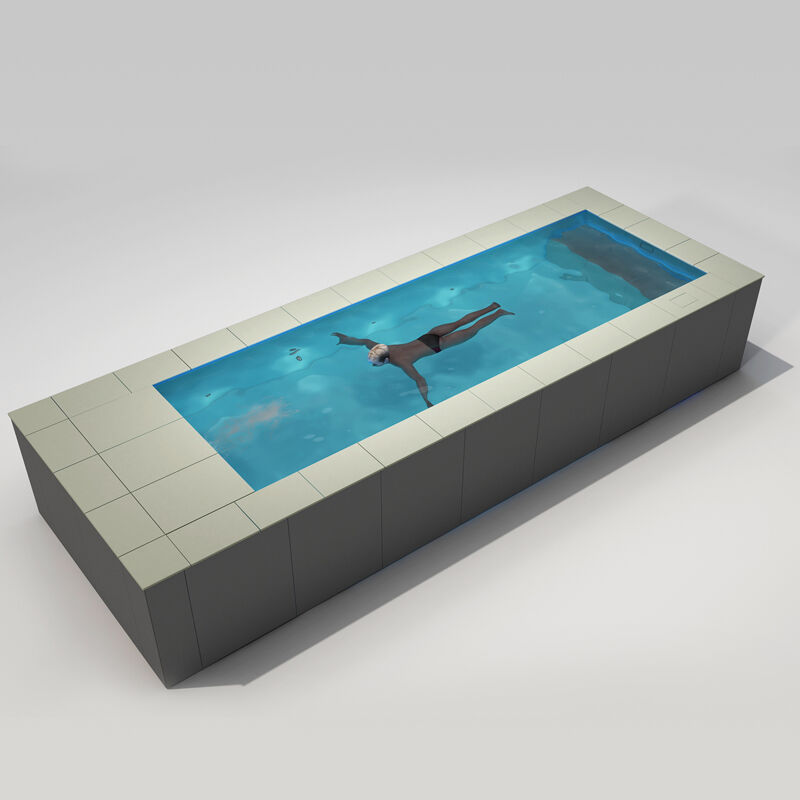
How Structural Design Determines Large-Capacity Metal Frame Swimming Pool Performance
Frame Geometry, Joint Reinforcement, and Load Distribution Mechanics
Optimal structural integrity in large-capacity metal frame swimming pools relies on three interdependent engineering principles. Circular frame geometries inherently distribute hydrostatic pressure evenly—reducing stress concentrations by up to 60% compared to angular designs (Journal of Aquatic Engineering, 2023). Joint reinforcement employs double-layered gusset plates and triple-riveted connections to resist torsional forces, preventing failure at critical intersections. Vertical supports spaced ≤4 feet apart channel weight downward through diagonal cross-bracing, limiting lateral deflection to <0.5 inches under 30,000-gallon loads. This mechanical synergy enables wall thickness reductions of 15–20% while maintaining ASTM F2656-07 safety compliance: high-tensile steel (grade 350 MPa) transfers stresses efficiently via optimized load paths.
Real-World Capacity Benchmarks: 10,000–30,000-Gallon Metal Frame Swimming Pool Configurations
Performance data reveals distinct structural adaptations across capacity tiers:
| Capacity | Frame Thickness | Reinforcement Features | Max Load Pressure |
|---|---|---|---|
| 10,000 gal | 14-gauge steel | 6 vertical supports, double-riveted joints | 1.8 psi |
| 20,000 gal | 12-gauge steel | 8 supports + cross-bracing | 2.3 psi |
| 30,000 gal | 10-gauge steel | 12 supports + diagonal bracing | 2.7 psi |
Third-party testing confirms 30,000-gallon configurations withstand ground settlement forces equivalent to 5,400 lb/ft linear load—achieved through welded corner castings and subframe reinforcement grids. Critically, deflection remains below 1/360 of span length (International Pool Standards, 2023), ensuring longevity despite seasonal soil shifts. These benchmarks demonstrate how incremental design enhancements accommodate scaling water volumes while preventing structural fatigue.
Corrosion Resistance in Metal Frame Swimming Pool Frames
Galvanized Steel (ASTM A123) vs. Alternative Coatings for Pool-Specific Environments
Galvanized steel meeting ASTM A123 standards provides baseline corrosion protection through zinc-sacrificial anodes—but constant exposure to chlorine disinfectants and fluctuating pH accelerates degradation via pitting and crevice corrosion. Zinc-enriched epoxy primers combined with polyethylene flame-spray coatings offer superior barrier protection by sealing micro-pores in the coating matrix. Industry data shows unprotected galvanized steel develops visible rust within 3–5 years in typical pool environments, while advanced composite coatings extend service life by 200–300% by resisting chloramine-induced breakdown.
Lifespan Comparison: Zinc-Coated, Powder-Coated, and Stainless Hybrid Metal Frame Swimming Pool Systems
Material selection directly dictates longevity in corrosive pool settings:
| Coating System | Expected Lifespan | Failure Mode | Maintenance Requirements |
|---|---|---|---|
| Standard Zinc-Coated | 7–10 years | Pitting corrosion at weld points | Annual sealant reapplication |
| Thermoset Powder-Coated | 12–15 years | UV degradation & coating delam | Biannual integrity inspections |
| Stainless Hybrid (316/2205) | 20+ years | Stress corrosion cracking (SCC) | 5-year electrochemical checks |
Stainless hybrid systems leverage duplex grades like 2205, which combine ferritic and austenitic properties to resist SCC—a critical vulnerability near saltwater pools. Third-party accelerated aging tests show these alloys retain 90% structural integrity after 15,000 hours of salt-spray exposure. For optimal cost-to-durability ratios, many operators select powder-coated systems with supplemental cathodic protection.
Dynamic Load Resilience of Large-Capacity Metal Frame Swimming Pools
Third-Party Validation: Hydrostatic Pressure, Wind Uplift, and Ground Settlement Testing Results
Independent testing validates how large-capacity metal frame swimming pool systems withstand real-world stresses. Hydrostatic pressure simulations replicate water loads exceeding 30,000 gallons; wind uplift tests subject pools to 70+ mph gusts; and ground settlement protocols simulate 15 cm soil differentials—all while monitoring structural response.
| Test Type | Simulated Condition | Critical Metric | Industry Standard |
|---|---|---|---|
| Hydrostatic Pressure | 30,000+ gal water load | ≤3mm frame deflection | ASTM F2285 |
| Wind Uplift | 70 mph sustained gusts | Zero anchor displacement | EN 1991-1-4 |
| Ground Settlement | 15 cm soil differential | <0.5° structural torsion | ISO 4354 |
Optimized beam geometry distributes dynamic loads efficiently, preventing localized failure points in commercial-grade installations. Properly engineered joints demonstrate 400% higher fatigue resistance versus DIY kits under cyclical loading—directly supporting 20+ year service life expectations when installed to specification.
Installation, Maintenance, and Operational Best Practices for Long-Term Metal Frame Swimming Pool Integrity
Proper installation forms the cornerstone of structural durability for high-capacity pools, beginning with meticulous ground leveling to prevent uneven stress distribution. Annual professional inspections identify early corrosion signs or joint fatigue, extending service life by 40–50% compared to unmonitored systems (industry longevity studies, 2023). For maintenance, prioritize monthly water chemistry balancing—maintaining pH between 7.2–7.8 reduces corrosion risks by 70% while preventing liner degradation. Apply zinc-rich epoxy primers to internal frame surfaces before assembly to create moisture barriers, and conduct quarterly bolt-tightening to counteract hydrostatic pressure effects. During operation, enforce weight distribution guidelines and avoid abrasive cleaning tools near structural joints. These protocols collectively sustain load-bearing capacity while minimizing oxidation vulnerabilities in freshwater environments.
FAQ Section
Q1: Why is circular frame geometry preferred for large-capacity metal frame swimming pools?
A1: Circular frame geometry evenly distributes hydrostatic pressure, reducing stress concentrations by up to 60% compared to angular designs, thus enhancing structural integrity.
Q2: What is the significance of joint reinforcement in pool frames?
A2: Joint reinforcement using double-layered gusset plates and triple-riveted connections resists torsional forces, preventing failure at critical intersections, thus ensuring durability.
Q3: How do alternative coatings improve corrosion resistance in metal swimming pool frames?
A3: Zinc-enriched epoxy primers and polyethylene flame-spray coatings seal micro-pores, offering superior barrier protection against chloramine-induced breakdown, extending service life.
Q4: What are the key factors to maintain long-term pool frame integrity?
A4: Proper installation, regular inspections, water chemistry balancing, and protective coatings are crucial for sustaining structural durability and preventing corrosion.
Table of Contents
- How Structural Design Determines Large-Capacity Metal Frame Swimming Pool Performance
- Corrosion Resistance in Metal Frame Swimming Pool Frames
- Dynamic Load Resilience of Large-Capacity Metal Frame Swimming Pools
- Installation, Maintenance, and Operational Best Practices for Long-Term Metal Frame Swimming Pool Integrity