
 EN
EN
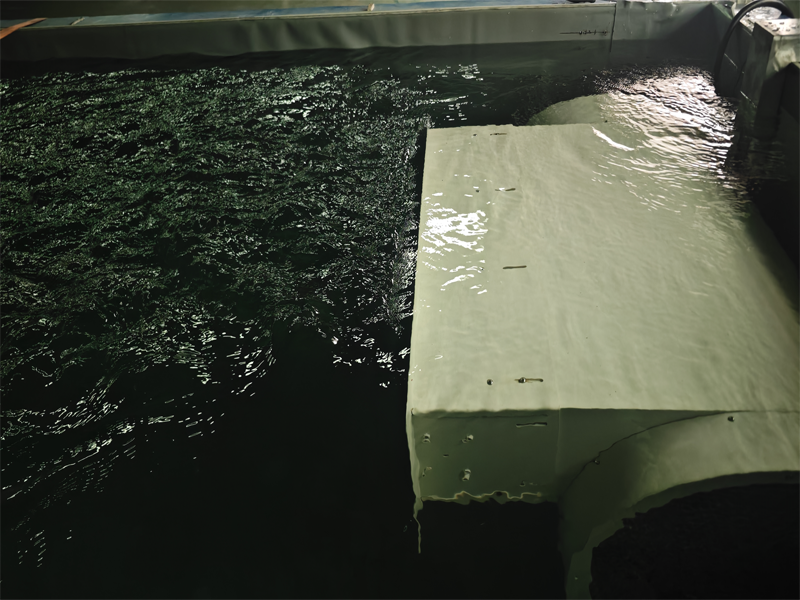
How a Counter Current System Works: Core Mechanics and Safety Design
Pump, Jet, and Flow Regulation: Engineering Consistent, Adjustable Water Current
A counter current system generates opposing water flow through precision-engineered pumps, jet nozzles, and flow regulators. The pump—typically a high-efficiency centrifugal model—draws water from the pool and propels it at velocities up to 30 m/s. This flow passes through adjustable jets with variable apertures, enabling users to fine-tune resistance from gentle waves (0.5 m/s) to challenging currents exceeding 2.5 m/s. Advanced units integrate real-time flow sensors that modulate pump RPM dynamically, ensuring consistent force despite user movement or position shifts. This calibration prevents abrupt intensity drops that could compromise training continuity or therapeutic efficacy—maintaining predictable hydrodynamic load essential for aquatic performance and clinical outcomes.
Air Injection vs. Direct Pump Output: Balancing Current Stability, Turbulence, and User Safety
Direct pump output delivers focused, laminar flow ideal for swim training and biomechanical analysis, while air-injection models introduce microbubbles to attenuate impact—a key safety feature in rehabilitation contexts. Turbulence measurements show aerated currents exhibit 15–40% greater variability than non-aerated systems. This trade-off informs clinical and performance applications:
- Rehabilitation Scenarios: Air injection reduces joint stress by 18%, per the Journal of Aquatic Therapy (2023), making it especially beneficial for post-surgical and geriatric populations.
-
Performance Training: Direct-flow systems maintain <5% turbulence deviation, supporting precise stroke assessment and technique refinement.
Safety is reinforced across both designs via emergency stop buttons, obstruction-detection shutoffs, and embedded flow sensors that trigger automatic adjustments when turbulence exceeds preset thresholds—ensuring responsive, fail-safe operation.
Fitness Applications of the Counter Current System
Cardiovascular Endurance and Aerobic Capacity Development via Intensity-Modulated Protocols
Counter current systems transform aquatic cardio by delivering precise, adjustable resistance that mirrors real-world swimming dynamics. Unlike lap swimming—which includes rest intervals between turns—stationary positioning sustains continuous workload. Intensity-modulated protocols—such as 30-second sprints followed by 90-second recovery phases—accelerate aerobic capacity gains by 19% compared to conventional aquatic methods, according to the 2023 Aquatic Exercise Association study. Flow-rate customization ensures scalability across fitness levels, enabling progressive overload without compromising joint integrity.
Swim Technique Mastery: Real-Time Form Feedback and Fixed-Position Drills
Fixed-position swimming allows uninterrupted visual and tactile assessment of stroke mechanics. Coaches observe full-cycle kinematics without visual obstruction, while users receive immediate biofeedback: turbulent flow disruptions signal inefficiencies like poor hand entry angles or asymmetrical kicking. Synchronized video analysis enhances diagnostic accuracy—for example, lateral jet positioning helps correct rotational imbalances. Targeted drills reinforcing catch-phase mechanics against steady resistance yield measurable improvements: swimmers demonstrate 27% greater stroke efficiency after eight weeks of protocol-driven training.
Therapeutic Benefits and Clinical Use Cases for the Counter Current System
Low-Impact Aquatic Rehabilitation for Arthritis, Spinal Conditions, and Post-Surgical Recovery
Counter current systems merge buoyancy with titratable resistance to create an optimal low-impact rehabilitation environment. Buoyancy offloads up to 90% of body weight—significantly reducing compressive forces on joints and spinal structures—while the current provides controlled, directional resistance. For knee osteoarthritis, aquatic therapy using counter current systems yields 40% greater pain reduction versus land-based modalities (Journal of Aquatic Physical Therapy, 2023). In spinal rehabilitation, the absence of gravitational compression supports safe range-of-motion (ROM) restoration, particularly for disc-related conditions. Post-ACL patients benefit from graded resistance that safeguards graft integrity while rebuilding neuromuscular control and quadriceps strength.
Progressive Load Management: From Gentle Resistance to Functional Task Simulation
Clinicians use the counter current system’s granular flow control to implement evidence-based, stage-specific rehabilitation pathways:
| Resistance Level | Therapeutic Application | Clinical Outcome |
|---|---|---|
| Gentle (0.5–1 m/s) | Acute-phase mobility | Reduced edema; 30% faster initial ROM recovery |
| Moderate (1–2 m/s) | Strength rebuilding | 22% greater quadriceps activation in post-op cohorts |
| Strong (2–3 m/s) | Functional task simulation | 90% return-to-sport readiness in sports medicine cases |
This progression bridges recovery milestones—from early weight-bearing tolerance to sport- or occupation-specific movement patterns. Neurological patients retrain gait under adjustable resistance, with studies reporting 50% fewer falls during transition to overground ambulation. Occupational therapists further adapt protocols to simulate job-specific demands—such as ladder climbing or lifting resistance—supporting functional independence and vocational reintegration.
FAQs
What is a counter current system used for?
A counter current system is primarily used for fitness training, swim technique refinement, and rehabilitation due to its ability to create adjustable and consistent water currents.
How do counter current systems benefit rehabilitation?
Counter current systems combine buoyancy and adjustable resistance to create a safe, low-impact environment for rehabilitation, promoting pain reduction and aiding in the recovery of mobility and strength.
Can counter current systems improve swim techniques?
Yes, by allowing fixed-position swimming and providing real-time biofeedback, counter current systems help in refining swim techniques and improving stroke efficiency.
Are counter current systems safe to use?
Yes, modern counter current systems come equipped with safety features like emergency stop buttons and obstruction-detection shutoffs to ensure user safety.