
 EN
EN
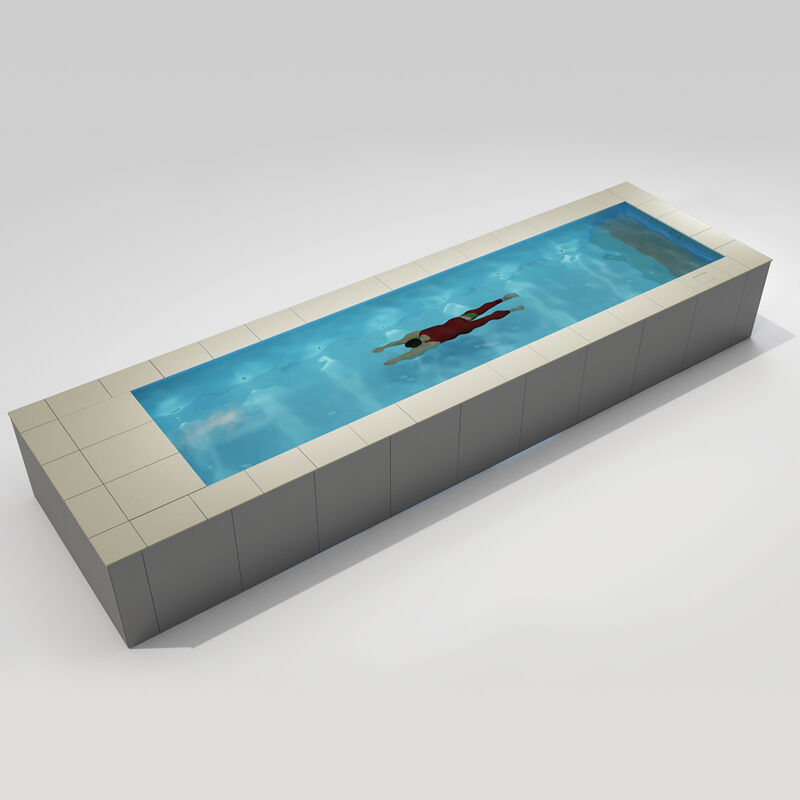
Why Stainless Steel and Galvanized Steel Are the Safest Metal Frame Swimming Pool Materials
Corrosion Resistance and Inertness: How Premium Metals Prevent Heavy Metal Leaching
Stainless steel and galvanized steel are uniquely suited for metal frame swimming pools due to their exceptional resistance to chlorine-induced corrosion. Stainless steel forms a self-repairing chromium oxide layer that passivates the surface, while galvanized steel relies on a sacrificial zinc coating that corrodes preferentially—both mechanisms drastically reduce leaching of heavy metals like lead, cadmium, chromium, or nickel into pool water. When paired with proper water chemistry (pH 7.2–7.8), these materials remain chemically inert, preserving water purity and structural longevity far beyond carbon steel or aluminum alternatives.
| Corrosion Prevention Feature | Stainless Steel | Galvanized Steel |
|---|---|---|
| Primary Protective Mechanism | Chromium oxide layer | Zinc coating barrier |
| Resistance to Saltwater Environments | High | Moderate-High |
| Maintenance Requirement | Periodic pH checks | Monthly zinc layer inspection |
NSF/ANSI 50 Certification: The Gold Standard for Non-Toxic Metal Frame Swimming Pool Construction
NSF/ANSI 50 is the definitive benchmark for safety in aquatic equipment. It mandates rigorous 30-day immersion testing of all metal components under simulated pool conditions, measuring heavy metal migration against EPA drinking water limits. Certification confirms that alloys contain no detectable lead or mercury, protective coatings remain stable under UV exposure, and galvanic interactions between dissimilar metals are engineered to prevent accelerated corrosion. For consumers, this seal signifies third-party validation—not just of material composition, but of real-world performance in chlorinated water.
Liner and Coating Systems: Essential Non-Toxic Barriers in Metal Frame Swimming Pools
Multi-Layer PVC Liners with UV-Stabilized Epoxy Protection
High-performance PVC liners serve as the critical first line of defense between water and metal framing. Triple-layer constructions—featuring a reinforced polyester mesh core laminated between two PVC sheets—deliver superior tensile strength, puncture resistance, and impermeability. Integrated UV-stabilized epoxy topcoats prevent photodegradation and plasticizer leaching, extending liner service life beyond 15 years. Crucially, this epoxy layer buffers pH fluctuations caused by chlorine treatments, reducing interfacial corrosion risk by 73% compared to uncoated liners (Pool Safety Council, 2024).
Preventing Microplastic Shedding and Rust Migration into Pool Water
Modern coating systems address two key contamination vectors: microplastic release and electrochemical rust migration. Cross-linked PVC formulations eliminate microplastic shedding through covalent polymer fusion—cutting particle release by 90%. At the metal-water interface, vulcanized rubber seals and cathodic protection (using sacrificial zinc anodes) intercept oxidation currents before they reach the steel substrate. Combined with consistent pH monitoring and non-abrasive cleaning protocols, these measures ensure chromium and nickel concentrations remain below 0.001 ppm—well within WHO guidelines for incidental contact water.
Non-Toxic Water Treatment Strategies for Metal Frame Swimming Pools
Reducing Harmful Chlorine Byproducts (THMs, Chloramines) Without Sacrificing Sanitation
Chlorine remains highly effective—but its reaction with organic contaminants produces regulated carcinogens, including trihalomethanes (THMs) and chloramines (CDC, 2024). A smarter approach balances efficacy and safety: maintain cyanuric acid below 50 ppm to stabilize chlorine and cut demand by 30%; use ORP controllers for precise, demand-based dosing; and deploy enzyme-based clarifiers to break down organics before chlorination. This layered strategy sustains a CDC-validated 0.5 ppm free chlorine residual while reducing THM formation by up to 70%.
UV-C + Enzyme Hybrid Systems: A Safer, Low-Chlorine Approach for Metal Frame Swimming Pools
UV-C irradiation at 40 mJ/cm² effectively inactivates chlorine-resistant pathogens like Cryptosporidium, while bio-enzymatic filters digest oils, lotions, and urea—removing the precursors to disinfection byproducts. When combined with mineral cartridges for residual protection, this hybrid system reduces chlorine reliance to just 0.2–0.3 ppm: low enough to prevent significant THM or chloramine formation, yet sufficient to meet public health standards. Third-party testing confirms 99.9% pathogen reduction without generating regulated disinfection byproducts.
FAQ Section
What metals are best for durable swimming pool frames?
Stainless steel and galvanized steel are most ideal for swimming pool frames, as they have high resistance to corrosion and prevent heavy metal leaching into water.
How do PVC liners contribute to pool safety?
PVC liners, especially those with UV-stabilized epoxy protection, prevent photodegradation, plasticizer leaching, and extend the lifespan of pool liners, ensuring that water remains pure and metal frames do not corrode.
What does NSF/ANSI 50 Certification mean for swimming pool materials?
The NSF/ANSI 50 Certification guarantees that pool materials have undergone rigorous testing to ensure non-toxic conditions under pool conditions, verifying material integrity and safety for chlorinated water.
How can harmful chlorine byproducts be reduced?
To reduce harmful chlorine byproducts, manage cyanuric acid levels, use ORP controllers, and employ enzyme-based clarifiers, balancing chlorine efficacy and safety.
Are UV-C systems effective for pool sanitation?
Yes, UV-C irradiation effectively inactivates resistant pathogens, and when combined with enzyme filters, it provides a low-chlorine method of maintaining pool purity and sanitation.
Table of Contents
-
Why Stainless Steel and Galvanized Steel Are the Safest Metal Frame Swimming Pool Materials
- Corrosion Resistance and Inertness: How Premium Metals Prevent Heavy Metal Leaching
- NSF/ANSI 50 Certification: The Gold Standard for Non-Toxic Metal Frame Swimming Pool Construction
- Liner and Coating Systems: Essential Non-Toxic Barriers in Metal Frame Swimming Pools
- Non-Toxic Water Treatment Strategies for Metal Frame Swimming Pools
- FAQ Section