
 EN
EN
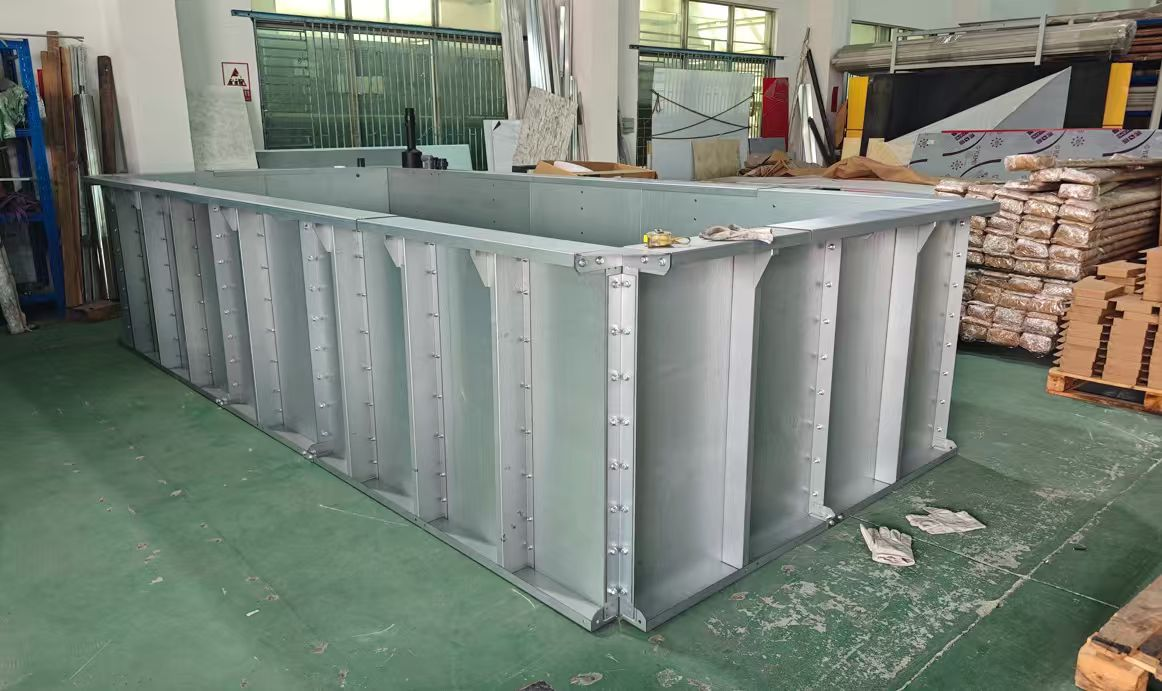
Unmatched Structural Integrity and Long-Term Durability
Load-Bearing Capacity for High-Traffic Commercial Use
Steel frame pools designed specifically for aquatic facilities can handle all sorts of daily wear and tear from people walking around and heavy equipment being moved constantly. The steel used in these pools spreads out weight evenly across the deck surfaces and coping areas which helps avoid problems like warping, sinking spots, or cracks forming after many years of use. Compared to plastic options, steel just doesn't bend as much when something heavy sits on it for long periods. Properly built steel frames typically last 2 to 3 times longer than those made from fiberglass before showing signs of weakness, making them a better investment for pool operators looking at long term maintenance costs.
Resilience Against Environmental Stressors: Wind, Seismic, and Thermal Loads
Steel framed pools stay strong even when weather gets really rough because they're built with specific engineering in mind. The deep piles that go into the ground along with cross bracing help fight off wind trying to lift things up. Steel has something called ductility which means it can bend and stretch instead of breaking suddenly when there's an earthquake. Thermal expansion joints are also part of the design so the pool can handle big temperature changes without cracking or warping, sometimes as much as 120 degrees Fahrenheit difference between winter and summer. For those living near the ocean, special coatings on the steel protect against rust caused by salt water exposure. All these different parts working together mean the pool keeps functioning properly through all kinds of bad weather events and earth movements. Maintenance bills tend to be about 30 percent lower after twenty years than what would happen with traditional concrete structures.
Superior Corrosion Resistance in Demanding Aquatic Environments
Advanced Protective Coatings and Marine-Grade Alloys for Steel Frame Pool Longevity
Steel alloys made for marine applications often contain extra chromium and nickel content which helps them develop protective oxide layers on their own when exposed to changing acidity levels in water. When these steels are coated with either epoxy or polyurethane that bonds chemically to the metal surface, they become much better at stopping damage from chlorine rich water, saltwater penetration, and those pesky microorganisms that eat away at materials over time. Tests show that this combination can cut down on material wear by around 90-95% compared to regular steel without any protection. For industries dealing with harsh underwater conditions, this kind of protection has become pretty much standard practice now, though maintenance still matters a lot depending on what specific environment the equipment is working in.
NSF/ASTM Benchmark Data: Steel vs. Concrete vs. Fiberglass Lifetime Performance
Tests conducted by NSF under accelerated aging conditions show some pretty big differences in how materials hold up over time. Concrete tends to start showing problems like calcium leaching and rebar corrosion somewhere between seven to ten years after installation. Fiberglass isn't much better either, developing those annoying osmotic blisters that eventually weaken the whole structure. But look at corrosion protected steel - it stays dimensionally stable and performs well for over 25 years without major issues. When we simulate what happens over a full 50 year lifespan, marine grade steel only loses about 0.1 mm per year. That's actually three times slower than what we see with concrete erosion rates. Given all these test results, it makes sense why many engineers now consider engineered steel solutions as the best bet for buildings that need to last decades and support large numbers of occupants safely.
Accelerated Installation and Lower Total Cost of Ownership
Prefabricated Steel Frame Pool Systems Reduce On-Site Build Time by 40–60%
Steel parts made in factories instead of at job sites cut out all those messy on-site casting processes, formwork setup, and waiting for concrete to cure. Assembly times drop anywhere from 40 to 60 percent compared to regular poured concrete work. The whole modular system means less messing around with bad weather stopping progress and fewer headaches about disrupting surrounding areas. Plus workers don't have to put in as much grueling labor. And let's not forget about how these steel components resist rust better than most alternatives. They last 3 to 5 times longer too. When looking at costs over two decades, this prefabrication method actually saves about 27% overall according to those NSF/ASTM tests we all know and trust in the industry.
Enhanced Hygiene, Low Maintenance, and Operational Reliability
NSF-Compliant, Non-Porous Steel Frame Pool Surfaces Minimize Biofilm Risk
Steel frame pools come with continuously welded surfaces that have been certified under NSF/ANSI 50 standards. These surfaces are completely non porous, so they don't have those tiny holes where bad stuff can grow. Concrete and tile pools tell a different story though. They soak up water and eventually start showing pits and cracks. Steel is different because it forms a solid barrier against moisture. Studies suggest this cuts down on biofilm problems by around 95 percent in most cases. The rounded edges and smooth connections between parts also help keep water moving properly throughout the pool area. This design means less standing water spots form, which actually lowers how much chlorine needs to be added by about 30%. And when it comes to keeping things clean, there's no need for harsh acid treatments or constant scrubbing sessions. Maintenance expenses typically fall somewhere around 40% compared to other pool types. Plus, steel maintains its integrity against chemicals better than alternatives, making unexpected shutdowns for repairs much less common during busy seasons.
FAQ section
What is the lifespan of a steel frame pool?
Properly built steel frames typically last 2 to 3 times longer than those made from fiberglass, with a lifespan exceeding 25 years.
How do steel frame pools perform under extreme weather conditions?
Steel frame pools are designed to handle severe environmental stressors, including wind, seismic, and thermal loads, with specialized coatings to protect against rust and erosion.
Are steel frame pools cost-effective?
Yes, they reduce maintenance costs by about 27% over two decades and offer faster installation times, cutting on-site build time by 40% to 60%.
How do steel frame pools maintain hygiene?
They have NSF-compliant, non-porous surfaces that minimize biofilm risk, requiring less chlorine and maintenance compared to other pool types.