
 EN
EN
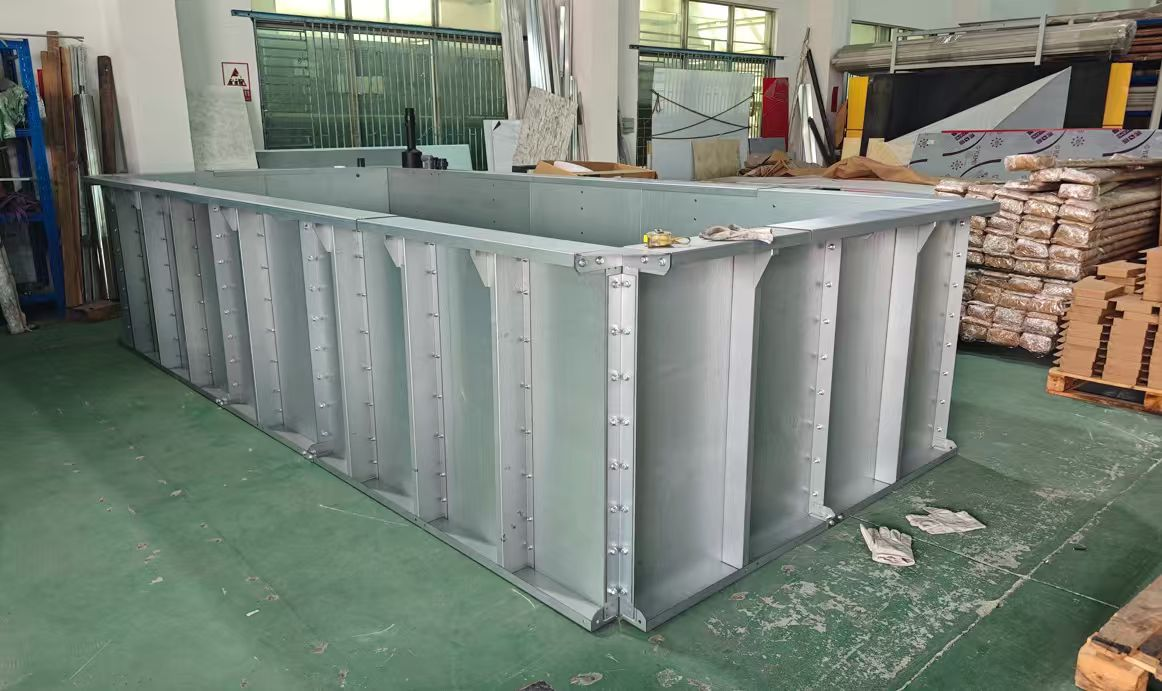
Superior Structural Integrity and Long-Term Durability
Steel frames made from high tensile material offer outstanding stability for pool structures, holding up against both water pressure and various environmental factors. The strength of these steels ranges around 50k to 80k psi, which means we can build thinner support beams but still get about three to five times the load capacity compared to plastic options. This makes them much less likely to buckle even when holding thousands of gallons of water. One thing that really matters is how steel handles ground movement. When soils shift by about an inch and a half something that happens frequently in areas with lots of clay the steel frame actually bends instead of breaking apart. This kind of flexibility becomes super important in earthquake prone areas where other rigid materials tend to crack or fall apart completely. High carbon steel has another benefit over traditional materials too it spreads weight throughout the entire frame structure. This helps prevent those stress points that eventually cause failure issues. And unlike concrete or fiberglass, steel doesn't warp or lose its shape during temperature changes or when settling into the ground over time.
How High-Tensile Steel Ensures Load-Bearing Stability and Resistance to Ground Shifts
Steel’s high strength-to-weight ratio allows for robust yet lightweight construction, minimizing foundation demands while maximizing resilience. Galvanized coatings enhance longevity by forming a sacrificial zinc layer that corrodes before the core steel, extending service life without compromising structural performance.
Steel Frame Pool vs. Vinyl Liner and Fiberglass: A Comparative Durability Analysis
| Factor | Steel Frame | Vinyl Liner | Fiberglass |
|---|---|---|---|
| Impact Resistance | High (withstands debris) | Low (puncture-prone) | Medium (surface cracks) |
| UV Degradation | None (protected) | High (fades/brittles) | Medium (gelcoat yellows) |
| Temperature Tolerance | -40°F to 120°F | Warps above 90°F | Cracks below 20°F |
| Lifespan | 25+ years | 7–12 years | 15–20 years |
When it comes to handling impacts, steel beats vinyl hands down. Think about what happens when a 5 pound rock drops from 10 feet high onto the surface. With steel, we're looking at just some minor dents. But with vinyl? The result is often total disaster for the liner. Fiberglass has similar issues too. Steel doesn't crack under thermal stress like fiberglass does because of all that expanding and contracting over time. And let's not forget maintenance costs. The latest numbers from the Pool & Spa Industry Report show steel pools need about 30 percent less work throughout the year compared to other options on the market. This means fewer repairs overall and better long term performance for pool owners who want something durable without breaking the bank on constant fixes.
Advanced Corrosion Protection for Extended Lifespan
Galvanized and Powder-Coated Finishes: How Modern Steel Frame Pools Resist Rust and Degradation
Steel frame pools today come with two layers of protection against rust problems. First, there's hot dip galvanization where zinc gets bonded right onto the steel itself. This creates what's called a sacrificial layer that starts to corrode before the actual steel does. Then comes the powder coating applied through electrostatic means. This forms a solid top layer that won't let water in, stands up to sunlight, and resists all those harsh pool chemicals. Traditional paints and enamels just can't match this setup. With these coatings, there are no weak spots or drips anywhere on the surface. Even if something scrapes the pool slightly, the protective system kicks in automatically. Pool owners end up getting many years of trouble free service without needing constant touch ups or repairs.
Stainless Steel Frame Pools in Challenging Environments: Saltwater, Coastal, and High-Humidity Applications
Stainless steel frames are particularly good for places near the coast, salt water areas, or anywhere with lots of moisture in the air because they resist rust better than other materials thanks to their special chromium content. When chromium comes into contact with oxygen, it creates this protective layer on the metal surface that fixes itself when damaged, stopping those annoying pits and cracks that happen so often in salty environments. Galvanized steel isn't as reliable since it needs extra paint jobs over time, while stainless just holds up against all sorts of harsh conditions including continuous dampness, chlorine treatments, and even direct salt spray without breaking down. Plus, the smooth surface doesn't let bacteria stick to it easily, which means cleaner equipment overall and fewer headaches dealing with stubborn buildup that requires constant cleaning.
Rapid Installation and Cost-Effective Deployment
Steel frame pools install much faster than traditional options, typically taking only 2 to 3 days for most homes instead of the weeks required for concrete or fiberglass pools. Since everything comes pre-made, there's no need for deep digging or waiting around for things to cure, which saves money on labor costs somewhere between 30 and 40 percent according to industry stats from 2024. The way these pools are put together doesn't require fancy machinery or stone work skills either, so projects get finished quicker without sacrificing strength. Most steel framed pools will last over 15 years if maintained properly through regular cleaning and inspections. Homeowners really benefit from this setup because they don't have to deal with constant expenses like replacing worn out vinyl liners, fixing cracks in fiberglass models, or redoing concrete surfaces every few years.
Low Maintenance Requirements and Hygienic Performance
Simplified Upkeep: Why Steel Frame Pools Reduce Cleaning Time, Chemical Use, and Repair Frequency
Steel framed pools really cut down on all that constant maintenance work most pool owners dread. The inside surface is super smooth and doesn't absorb anything, so algae just can't stick to it and bacteria has nowhere to hide either. This means people spend way less time scrubbing their pools every week maybe around 40% less according to some studies. Plus, because the water chemistry spreads out better, folks actually need fewer chemicals to keep things looking clean and clear. Galvanized steel stands up to sun damage, changes in water balance, and won't warp over time. That gets rid of those annoying problems we see with other pool types like punctured liners or cracked coatings. Leaks happen almost never these days, and nobody needs to replace liners anymore which saves about $300 per year on repair costs for most families. And since the materials don't react with minerals in the water, there's no ugly scaling or metal stains forming either. Just regular cleaning will do instead of having to deal with harsh cleaners or doing expensive deep cleans all the time.
FAQ Section
What is the lifespan of a steel frame pool?
A steel frame pool can last over 25 years if properly maintained, outperforming vinyl liners and fiberglass pools which generally last 7-12 years and 15-20 years, respectively.
How does high tensile steel enhance pool durability?
High tensile steel offers three to five times the load capacity of plastic options, allowing for thinner beams that accommodate ground shifts better, especially in earthquake-prone areas.
What maintenance is required for steel frame pools?
Steel frame pools require less maintenance due to their smooth surfaces that prevent algae buildup. They also use fewer chemicals to maintain water clarity, and rarely require structural repairs.
Can steel frame pools resist corrosion?
Yes, they come with galvanized and powder-coated finishes that protect against rust and degradation, ensuring longevity even in harsh environments like coastal or saltwater areas.