
 EN
EN
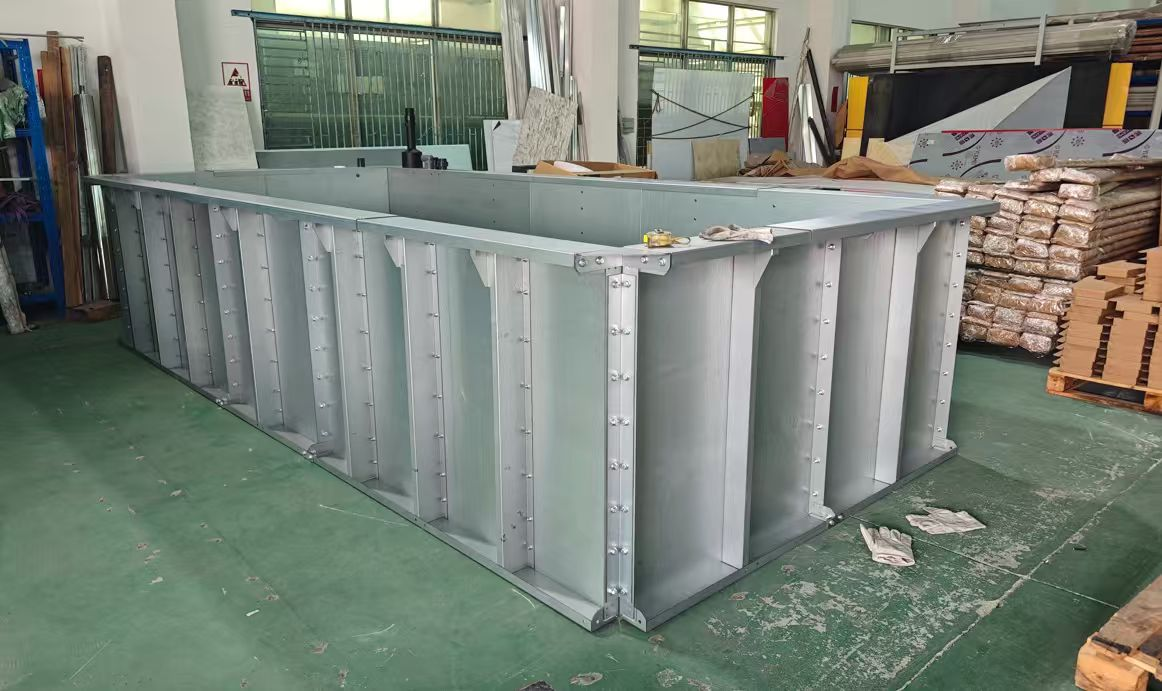
Unmatched Structural Durability of Steel Frame Pools
Galvanized vs. stainless steel frames: How zinc coating standards (ASTM A123/ISO 1461) impact real-world resilience
Steel frames coated with zinc for galvanization follow specific standards like ASTM A123 in the US and ISO 1461 globally to resist corrosion over time. The specs require at least 85 microns of zinc coating which acts as a protective shield against rust. With regular upkeep, these frames can last well beyond three decades. Stainless steel takes a different approach entirely. It uses chromium rich alloys such as 316L to create its own protective layer that repairs itself when damaged. No need for additional coatings here. When dealing with saltwater environments where chloride levels go above 500 parts per million, something commonly seen near coasts or industrial areas, stainless steel stands up much better to pitting damage than galvanized options. This means it lasts about 15 extra years in those harsh conditions. Sure, stainless costs around 25 to 40 percent more upfront, but the investment pays off in extended lifespan when facing tough environmental challenges. Either type of steel frame beats out plastic pool structures hands down when it comes to handling impacts. They absorb roughly double the stress before showing any signs of bending or breaking compared to polymer alternatives.
Resistance to ground movement and lateral pressure — why steel frame pools excel on uneven or clay-rich soils
Steel frame pools can handle about 2 to 3 times more sideways pressure from the soil compared to those lined with vinyl or made from fiberglass. This makes them particularly good for areas with expansive clay soils and regions that experience freeze-thaw cycles, where the ground tends to move around about 1.5 to 2 inches each year. The frames are continuously welded together, which helps spread out both water pressure and earth forces evenly across the pool structure. This even distribution reduces the risk of uneven settling that often causes cracks in concrete pools. Steel has something that rigid shell designs lack: tensile strength that lets it handle slopes going up to 15 degrees without damaging the liner. Many times this means property owners don't have to spend extra money on expensive retaining walls. A recent study from the University of Civil Engineering in 2023 found that these steel framed pools keep their shape really well over time, maintaining about 98% of their original dimensions even when holding the equivalent of 4,500 gallons of water weight.
Faster, More Affordable Installation Than Traditional Options
Unlike fiberglass or gunite pools, steel frame pools streamline backyard transformation—typically completing installation in just 3–6 weeks. This accelerated timeline reflects inherent design efficiencies, not compromised quality.
3–6 week installation timeline: Eliminating concrete curing, permitting delays, and weather downtime
Wall panels that come pre-assembled are basically ready to go right when they arrive at the site, cutting out those annoying multi week waits for concrete to cure completely. Getting the site ready becomes much simpler too all that's needed is some basic excavation and leveling instead of building fancy footings or complicated foundations. The whole process just runs smoother because these standardized modules don't get held up as much by bad weather, and getting permits takes less time overall. According to industry numbers, companies using these optimized steel frame methods save around 36% on labor hours compared to regular concrete construction projects.
True cost comparison: Steel frame pool ($28K–$42K) vs. fiberglass and gunite — factoring in site prep and utility access
Steel frame pools consistently deliver lower total installed cost without sacrificing durability. Simplified construction reduces excavation scope, avoids specialized equipment rentals, and minimizes engineering oversight—translating directly into savings across the project lifecycle.
| Pool Type | Total Installed Cost | Site Prep Complexity | Utility Access Needs |
|---|---|---|---|
| Steel Frame | $28K–$42K | Moderate | Standard |
| Fiberglass | $45K–$85K | High | Extensive |
| Gunite/Concrete | $50K–$100K+ | Very High | Extensive |
Costs reflect full installation—including excavation, materials, liner, and basic finishing—per the Pool Industry Cost Analysis 2023.
This value proposition extends beyond base pricing: shorter timelines lower machinery rental fees, reduced excavation cuts fuel and labor expenses, and standardized designs limit change orders and consultation overhead—making premium-grade structural performance accessible to a broader range of homeowners.
Smart Maintenance and Long-Term Value of a Steel Frame Pool
Annual Maintenance Essentials: Liner Seam Inspection, Zinc Layer Monitoring, and Proactive Rust Prevention
Regular maintenance makes all the difference when it comes to getting the most out of a steel frame pool while keeping those costly mid-life fixes at bay. Check those liner seams quarterly when the pool is filled to capacity so any separation can be caught before it becomes a bigger problem under water pressure. Galvanized frames need special attention too. Twice a year, look closely at the zinc coating following industry standards for galvanized steel. Watch out for that telltale white rust stuff around joints and where bolts connect. Before humidity starts climbing seasonally, get ahead of potential issues by sealing up weak spots with good quality silicone sealant. When rust does show up on the surface, don't reach for sandpaper or anything abrasive. Instead, grab an electrolytic conversion kit which actually preserves whatever protective layer remains beneath. And remember to bring in a pro for a full structural check every three to five years, particularly if winter freezes and spring thaws are part of the local climate pattern. These professionals will confirm everything still holds together properly and supports the liner as intended.
Saltwater Compatibility Guide: When Stainless Steel Components Are Essential for 10+ Year Longevity
Saltwater pools put special stress on pool equipment. Regular galvanized steel parts can handle brief exposure when chloride levels stay under 200 ppm, but once those levels climb past 500 ppm for extended periods, we need to switch to stainless steel components. Marine grade 316L stainless works best for important structural parts where metals touch each other. Pool owners should consider several key upgrades: stainless steel ladder anchors that are electrically isolated from the main frame, polymer gaskets that won't rot or corrode at every connection point, and remember to replace those sacrificial zinc anodes every two years. Larger installations over 10,000 gallons or pools near the ocean really benefit from stainless cross bracing and reinforced top edges. These changes stop metal parts from eating away at each other through galvanic action, which means the whole frame lasts much longer - typically around 10 years compared to just 4 to 7 years for regular galvanized setups facing similar conditions.
FAQ Section
Why do steel frame pools offer better durability than plastic pools?
Steel frame pools are structurally stronger and can absorb more stress before bending or breaking compared to plastic pools.
What factors contribute to the cost difference between steel frame and other types of pools?
The cost difference arises from the streamlined construction process for steel frame pools, reduced excavation and labor costs, and their efficient installation timeline.
Are stainless steel components essential for saltwater pools?
Yes, in saltwater conditions with chloride levels over 500 ppm, stainless steel components are necessary to prevent corrosion and prolong the pool's lifespan.
How often should I inspect the zinc coating on galvanized steel frames?
Zinc coating on galvanized steel frames should be inspected twice a year to ensure its integrity and prevent rust.
What is the typical timeline for installing a steel frame pool?
Steel frame pools typically take 3–6 weeks to install, much quicker than traditional options like fiberglass and gunite pools.
Table of Contents
- Unmatched Structural Durability of Steel Frame Pools
- Faster, More Affordable Installation Than Traditional Options
- Smart Maintenance and Long-Term Value of a Steel Frame Pool
-
FAQ Section
- Why do steel frame pools offer better durability than plastic pools?
- What factors contribute to the cost difference between steel frame and other types of pools?
- Are stainless steel components essential for saltwater pools?
- How often should I inspect the zinc coating on galvanized steel frames?
- What is the typical timeline for installing a steel frame pool?