
 EN
EN
Swim Jet Systems Solve Critical Space and Design Constraints
How Counter-Current Technology Enables Full-Stroke Swimming in Under 100 sq ft
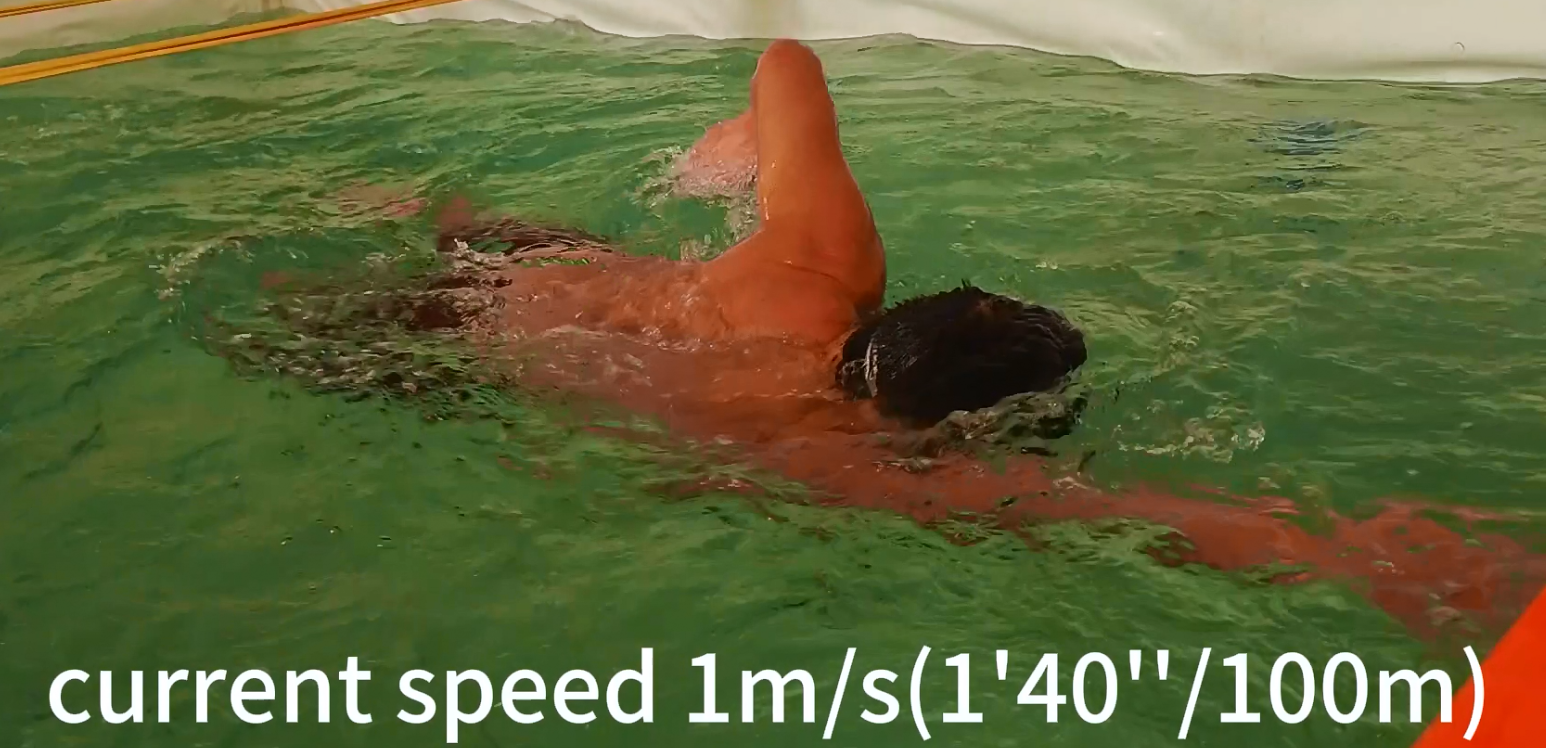
Counter current tech has changed how people train in water by creating adjustable flows that can go over 1.5 meters per second. This speed is actually enough for full stroke swimming in spaces as small as 100 square feet, which is basically the size of most hotel rooms these days. Traditional pools need at least 75 feet just for turning around during laps, but swim jets offer similar endurance work and technique improvements without needing all that extra space or structural changes. The specially designed nozzles create smooth, consistent currents that feel like swimming in open water, helping maintain good form throughout workouts. The speed settings adjust easily for everyone from beginners to professional athletes. Best part? Installing these systems doesn't require digging up floors, reinforcing walls, or complicated roof structures. That makes them perfect for city buildings, old historic sites, or any location where space is tight.
Architectural Flexibility: Retrofitting Existing Pools vs. Building New Lap Facilities
According to recent studies from aquatic engineers in 2024, adding swim jets to existing pools actually saves about 62 percent compared to constructing brand new lap facilities from scratch. The modular design works right alongside regular filtration systems when they do their usual maintenance checks, so there's no need to close down the pool for those long construction periods that usually take between three and six months. Building fresh lap pools means dealing with all sorts of paperwork like getting zoning approvals first, plus finding at least 300 square feet of space somewhere and making sure everything is exactly seven feet deep for competition standards. Swim jets? They work just fine in most existing pools that are only four to five feet deep already. Plus these installations fit neatly against pool walls without messing up how the building looks from outside or inside either.
Driving Revenue and Guest Value with Swim Jet Systems
Monetizing Wellness: Hydrotherapy Add-Ons, Swim Coaching, and Premium Room Bundles
Many hotels are now turning their otherwise empty pool areas into profitable wellness centers. They're combining things like swim jets, hydrotherapy massages, and even coaching from certified professionals to create what they call "aquatic wellness" packages. These special deals typically fetch prices 20 to 30 percent higher than regular offerings. The numbers speak for themselves too - top resorts see around 40% more money coming in from these bundled services compared to traditional spa treatments alone. This taps right into that massive $1 trillion wellness travel market that's been growing steadily. Some properties offer limited time programs such as "Endurance Training Retreats" which mix organized swimming sessions with various recovery treatments. According to recent industry data from 2024, guests who book these specialized retreats tend to stay at the hotel about 15% longer than those who don't participate in such programs.
Guest Retention & Differentiation: Data from 2024 JLL Report on Luxury Resort Amenities
According to the 2024 JLL Luxury Amenities Report, hotels featuring swim jets see about 28 percent better guest retention compared to places with regular swimming pools. A lot of upscale travelers these days really care about innovative fitness options when choosing where to stay, with around two thirds saying it makes all the difference in their decision making process. That means swim jets can give properties a real edge in crowded markets. When hotels actually implement these systems for customized workouts backed by data tracking, guests tend to rate their experience at 4.3 out of 5 points on average, which is roughly 23 percentage points higher than what's typical across the industry. The bottom line? These small but smart water features boost how valuable guests perceive the property to be, and they don't require massive construction budgets either.
Total Cost of Ownership: Swim Jet System Investment vs. Traditional Alternatives
For hotels struggling with limited space, swim jet systems offer real money savings advantages. When hoteliers retrofit their existing pools with counter current tech instead of building brand new lap pools from scratch, they typically save around 40 to maybe even 60 percent on installation expenses. This frees up funds that can go toward improving guest experiences elsewhere in the property. The systems come equipped with these Variable Frequency Drives that cut down energy bills by roughly 30% compared to regular old pool pumps. Plus the compact hydraulic design means fewer chemicals get used and keeps the water chemistry easier to manage overall. Maintenance becomes much simpler too since most parts are modular so when something breaks down, staff can fix just that part without having to drain the whole pool first. Looking at the bigger picture over about ten to fifteen years, these swim jet installations end up costing almost half what it would take to construct and maintain a separate lap pool facility or full aquatic center. That kind of return makes sense for hotels that want to keep their operations running efficiently without breaking the bank.
Cost Comparison: Swim Jet Systems vs. Traditional Pools
| Cost Factor | Swim Jet System | Traditional Lap Pool |
|---|---|---|
| Installation | $15k–$40k (retrofit) | $100k–$500k (new build) |
| Space Required | Existing pool footprint | 500–2,500+ sq ft |
| Annual Maintenance | $1.2k–$3k | $4k–$10k |
| Energy Consumption | 30–50% lower with VFD | Standard pump rates |
| Lifetime (Years) | 10–15 | 15–20 |
Operational Excellence: Quiet, Efficient, and User-Friendly Swim Jet Performance
Energy-Saving VFD Controls and Sub-55 dB Operation for 24/7 Guest Comfort
Today's swim jet systems incorporate Variable Frequency Drives (VFDs) which adjust motor power based on how many people are actually using the pool at any given time. This smart approach cuts down electricity usage somewhere around 35-40% when compared to those old fixed speed pumps that just ran all day long regardless. At under 55 decibels, these systems operate so quietly they're practically silent next to regular talking volume. Guests staying nearby won't even notice them running through their walls, making round the clock access totally feasible without anyone getting disturbed. The engineering behind these units also takes care of those annoying vibrations that would otherwise damage building structures over time. Plus the water flows smoothly without creating unwanted turbulence. What we end up with is an aquatic facility that feels right at home in luxury hotels, where guests can enjoy their wellness routines side by side with high end accommodations without anyone complaining about noise or discomfort.
FAQ
What are the advantages of swim jet systems over traditional pools?
Swim jet systems offer several advantages, including space-saving design, reduced installation costs, and energy efficiency. They are ideal for retrofitting existing pools, require less maintenance, and provide benefits such as customized workouts and improved guest retention for hotels.
How do swim jet systems save on costs for hotels?
By retrofitting existing pools with swim jet systems, hotels can save up to 60% on installation expenses compared to building new lap pools. Additionally, energy-savings from Variable Frequency Drives and reduced chemical usage lower operational costs.
Can swim jet systems be installed in any pool?
Yes, swim jet systems can generally be installed in most existing pools that are at least four to five feet deep, making them adaptable for a wide range of pool structures and settings.