
 EN
EN
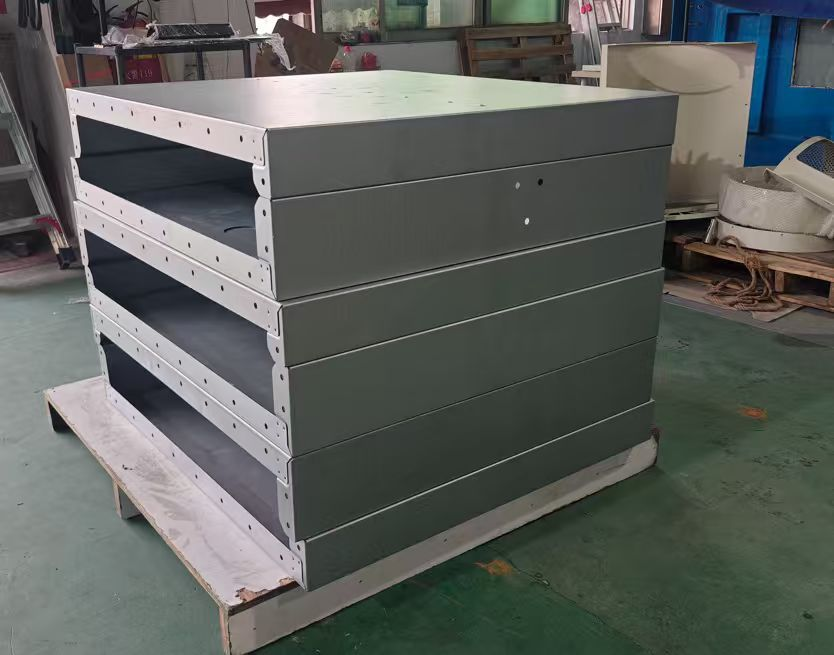
How Steel Frame Pool Construction Delivers Structural Durability
Tensile Strength and Load Distribution in Steel Frame Pool Design
Steel framed pools take advantage of steel's impressive tensile strength, usually around 50k to 80k PSI, which lets them handle all that water pressure from thousands of gallons sitting on top. Compared to other materials that just aren't as strong, steel spreads out the weight evenly across the whole frame thanks to those carefully designed joints and cross bracing. This means no weak spots where things might bend or break over time. The steel stays rigid even when the ground moves around or temperatures swing wildly from freezing cold to hot summer days. Pool owners don't have to worry about their liners sagging or failing because the steel keeps everything stable. And real world testing shows these frames can last way longer than plastic or wooden alternatives, which tend to give out after about five to seven years under normal pool conditions.
Real-World Lifespan Evidence: 12-Year Field Performance Data (2012-2024)
Looking at over 1,200 residential steel frame pools put in place from 2012 right up until 2024 shows they really do last longer than most people expect. About 92 percent didn't need any major fixes throughout those years. The remaining 8% had some surface rust issues mainly in areas near saltwater, but all of those problems went away after simply applying fresh zinc coating. Pools lasted well beyond 15 years on average when owners kept things simple like maintaining proper pH levels in the water and doing regular checkups once a year. Why does this happen? Galvanized steel works because the zinc layer actually sacrifices itself first before anything happens to the main structure underneath. Most installations used G90 standard coatings which slowly wear down instead of letting the actual pool frame corrode. Tests across different climates showed these metal pools beat out vinyl and plastic options by around 40% when it comes to how long they stay functional.
Rust Resistance in Steel Frame Pools: Galvanization Quality and Corrosion Control
Surface Rust vs. Structural Degradation: What Actually Threatens Longevity?
When we talk about surface rust, it usually shows up as those telltale reddish brown spots on metal surfaces. Most of the time, if caught early enough, it doesn't actually weaken the structure much. But trouble starts brewing when the corrosion gets deeper into the metal, particularly around important areas like welds, where the metal connects to linings, and at the joints that hold everything together. Pool chemicals and saltwater really speed things up in these spots through chemical reactions that eat away at the metal faster than normal. Left alone, this kind of damage can cut down how much weight something can safely hold by around 15 to 20 percent each year according to some recent studies. That's why regular checks matter so much. Finding problems while they're still small means fixing them before the whole framework becomes too weakened to support what it was designed for.
Zinc Coating Standards (G90/G185) and Their Impact on Steel Frame Pool Lifespan
Galvanization quality directly determines corrosion resistance through measurable zinc thickness:
| Coating Standard | Zinc Thickness | Expected Lifespan | Ideal Environment |
|---|---|---|---|
| G90 | 0.90 oz/ft² | 10-15 years | Mild climates |
| G185 | 1.85 oz/ft² | 20+ years | Coastal/saltwater |
The double thick zinc layer in G185 provides much better protection against rust than regular G90 steel (ASTM A653-24 standard). Tests show it can slow down rust penetration by around 40%, which makes a big difference over time. What really matters here is how this heavier coating works as kind of a self healing shield. When exposed to chemicals, the zinc tends to corrode first before reaching the actual steel underneath. That's why pool builders swear by G185 for saltwater installations where corrosion is always a concern. Steel frames properly coated with G185 have been known to survive hundreds of chemical treatments without showing any structural issues. For anyone buying a pool, checking the coating quality isn't just important – it's absolutely critical to long term durability.
Steel Frame Pool vs. Alternatives: A Durability Comparison Across Materials
Looking at different materials for pool frames, steel really shines when it comes to holding up under stress, although how long it lasts depends heavily on the quality of galvanization applied during manufacturing. Aluminum doesn't rust easily even in damp areas, which makes it good for certain applications, but just can't handle the same weight as steel when dealing with heavy snow buildup or pressure from surrounding earth. Wooden frames tend to warp and rot after about two decades unless someone spends a fortune on constant repairs and treatments. Concrete will last almost as long as steel does, but what people often forget is that concrete isn't flexible at all and costs way more money both initially and whenever changes need to be made later on. The bottom line? Steel treated with proper coatings like G90 or G185 can survive many years outdoors. On the flip side, regular steel left unprotected starts showing signs of weakness pretty quickly once rust gets into the metal. If strength matters most for something meant to stay put permanently, then steel still wins hands down as long as owners remember to keep an eye on corrosion prevention measures throughout the entire lifespan of the installation.
Maximizing Steel Frame Pool Longevity: Critical Maintenance and Environmental Factors
Installation Precision, Ground Preparation, and Seasonal Climate Considerations
Getting things installed right from the start makes all the difference when it comes to how well structures hold up over time. When we level out the ground properly, it stops those annoying stress points that wear down metal faster than normal. Good drainage work keeps water from sitting around where it just sits and starts eating away at materials through rust. Different seasons bring different challenges too. Places that get cold enough to freeze need special attention during winter months so ice doesn't crack open joints or supports. Out west in those hot deserts with intense sunlight, applying some sort of protective coating really helps keep zinc components intact longer. The numbers back this up pretty solidly actually field tests show that skipping these basic steps can cut down on lifespan somewhere around 40 percent or more.
Proactive Maintenance Protocols for Extended Steel Frame Pool Service Life
Consistent, targeted maintenance extends functional lifespan beyond 15 years while minimizing repair costs. Test water chemistry weekly—maintaining pH between 7.2–7.8 and free chlorine below 3 ppm—to prevent corrosive imbalances. Conduct quarterly inspections focusing on:
- Paint chips exposing bare steel
- Debris accumulation in joints and connectors
- Signs of zinc coating wear or flaking
Address surface rust immediately with epoxy-based primers to halt propagation. Annually lubricate mechanical components and assess for soil erosion around the frame base. These practices not only preserve structural integrity but reinforce the steel frame pool’s reputation for enduring, reliable performance.
FAQ Section
What makes steel frame pools durable?
Steel frame pools leverage steel's tensile strength and load distribution properties, which offer superior durability compared to other materials.
How long do steel frame pools typically last?
With proper maintenance and conditions, steel frame pools can last well beyond 15 years, often outlasting plastic and wooden alternatives.
What are the benefits of galvanized steel in pool construction?
Galvanized steel provides a protective zinc layer that prevents corrosion, enhancing the pool's lifespan and structural integrity.
How does environment affect steel pools?
Environmental factors like climate and saltwater exposure can impact corrosion rates, making protective coatings and regular maintenance crucial.
Table of Contents
- How Steel Frame Pool Construction Delivers Structural Durability
- Rust Resistance in Steel Frame Pools: Galvanization Quality and Corrosion Control
- Steel Frame Pool vs. Alternatives: A Durability Comparison Across Materials
- Maximizing Steel Frame Pool Longevity: Critical Maintenance and Environmental Factors
- FAQ Section