
 EN
EN
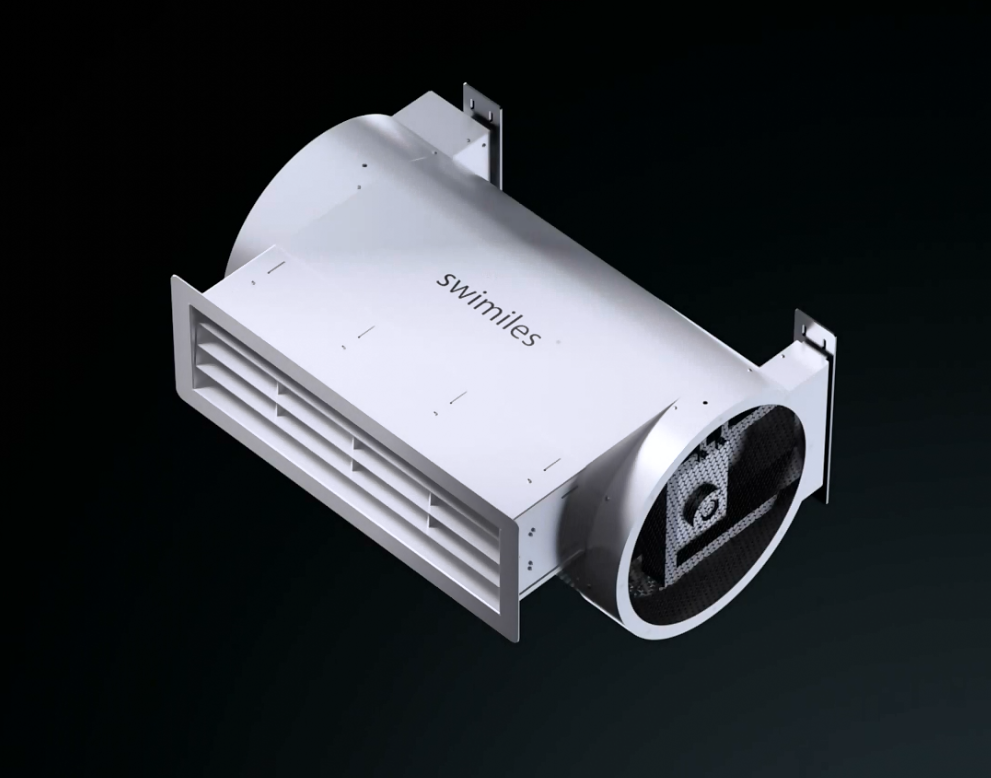
How a Swim Jet System Enables Effective Counter-Current Swimming
Hydrodynamic Principles Behind In-Place Swimming
Swim jet systems let people swim in place thanks to some pretty cool physics stuff. Water gets pushed through specially designed nozzles creating a smooth, steady current with little turbulence. Swimmers can stay put while doing complete strokes, which basically recreates what it's like to swim in open water but takes up way less room. The force created by these jets matches how humans actually move through water, so swimmers don't have to keep turning around like they do in regular pools. The whole system has been engineered so the water flows evenly throughout the swimming area. This means athletes can work on their technique properly even when pushing themselves hard during intense training sessions.
Scalable Current Intensity for All Skill Levels
Modern systems offer fully adjustable flow rates—from 5 m³/h for gentle rehabilitation to 250 m³/h for elite athletic conditioning. This range supports diverse user needs without compromising stream stability:
- Low-impact resistance for post-injury recovery or senior fitness
- Steady-state endurance training at moderate velocities (1.0–1.6 m/s)
- High-intensity interval work at competition-level speeds (up to 2.5 m/s)
Variable-speed motors and optimized nozzle geometry maintain laminar flow across all settings, enabling precise, real-time resistance calibration aligned with individual goals—whether refining stroke efficiency or building race-specific power.
Smart Control and Energy Efficiency in Modern Swim Jet Systems
Full Inverter Technology and Variable-Speed Motor Performance
Swim jet systems equipped with full inverter tech can adjust their motor speeds based on how much resistance they need to overcome, which gets rid of all that wasted energy from regular fixed-speed pumps. These systems run only when needed, cutting down electricity usage by around 70 percent. They also slash those big power spikes at startup by about 40%, and parts tend to last roughly 30% longer too. The noise level drops way down to almost nothing below 45 decibels, making them really quiet to operate. Plus, they maintain steady water force throughout the entire speed range from half a meter per second up to 2.5 meters per second. This works great for both people who want gentle therapy sessions and serious swimmers looking for intense training conditions.
Touchscreen + App Integration for Real-Time Swim Jet System Customization
Waterproof touch screens work alongside mobile apps to give swimmers direct control right there in their hands while they're actually swimming. They can tweak things like water speed, adjust jet angles, or change workout plans on the fly without getting out of the pool. The system lets people set up intervals too, say something like 90 seconds of sprinting at about 2 meters per second. Metrics from these sessions sync up with wearable devices, and some folks even turn on the system from afar before getting into the water so everything is ready to go. Nozzles that point different directions can be adjusted through either the screen or app interface, which means swimmers can target specific areas for resistance during workouts. For instance, focusing resistance on the upper body or simulating sprint conditions becomes much easier this way. Most swimmers report that their training gets noticeably better when using these features instead of having to manually set everything up beforehand.
Retrofit-Friendly Installation: Minimal Disruption, Maximum Flexibility
Adding a swim jet system to an existing pool doesn't mean tearing anything apart or redoing all the plumbing work. The retrofit method keeps everything from the original pool intact including the shell, filters, and electrical setup while still getting that great counter current effect. The components come together in phases so important parts can be upgraded when nobody's using the pool or just in certain areas, which means people can keep swimming most of the time. The whole system is built to grow with needs too. Want to add variable speed motors later? Or maybe install some smart controls? No problem without having to replace everything at once. Real world results show facilities save around 70% on downtime compared to starting fresh and cut installation expenses somewhere between 30 and 50 percent. Plus it fits right into what's already there in terms of water pipes and electricity connections without any major headaches.
Performance Benchmarks: Flow Rate, Stability, and Precision Jet Control
High-Capacity Flow (Up to 250 m³/h) and Stream Consistency
Top-tier swim jet systems deliver up to 250 m³/h, matching the hydraulic output of elite training facilities. Crucially, advanced flow dampening maintains ±1.5% consistency across sessions—ensuring repeatable, turbulence-free resistance critical for interval pacing, pace tracking, and long-term progress measurement.
Optimized Nozzle Design and Adjustable Resistance Jet Direction
The nozzles work based on venturi effect principles which helps speed up water flow while keeping down those annoying cavitation noises. With six different positions ranging from 15 degrees all the way up to 90 degrees, they let trainers apply specific resistance where needed. This makes it great for focusing on particular muscles during training sessions or mimicking what happens during actual races. The design includes weighted diffuser plates that stop water from spreading out too much sideways. Even at three meters away, the water stays together within about ten centimeters. For regular folks just getting into this stuff, these features allow gradual progress over time. And professional athletes can rely on them to recreate competition scenarios exactly as they happen in real events.
FAQ Section
How does a swim jet system create a counter-current for swimming?
A swim jet system generates a counter-current by pushing water through specially designed nozzles, creating a smooth, steady stream that allows swimmers to swim in place.
What types of training can swim jet systems accommodate?
Swim jet systems are versatile enough for low-impact rehabilitation, steady-state endurance training, and high-intensity interval training, catering to a range of skill levels and training objectives.
How energy efficient are modern swim jet systems?
Equipped with full inverter technology, these systems adjust motor speeds to match resistance needs, significantly reducing energy consumption by around 70% compared to traditional fixed-speed pumps.
Can existing pools be retrofitted with swim jet systems?
Yes, existing pools can be retrofitted with swim jet systems without major alterations, maintaining the original pool structure while enhancing functionality.