
 EN
EN
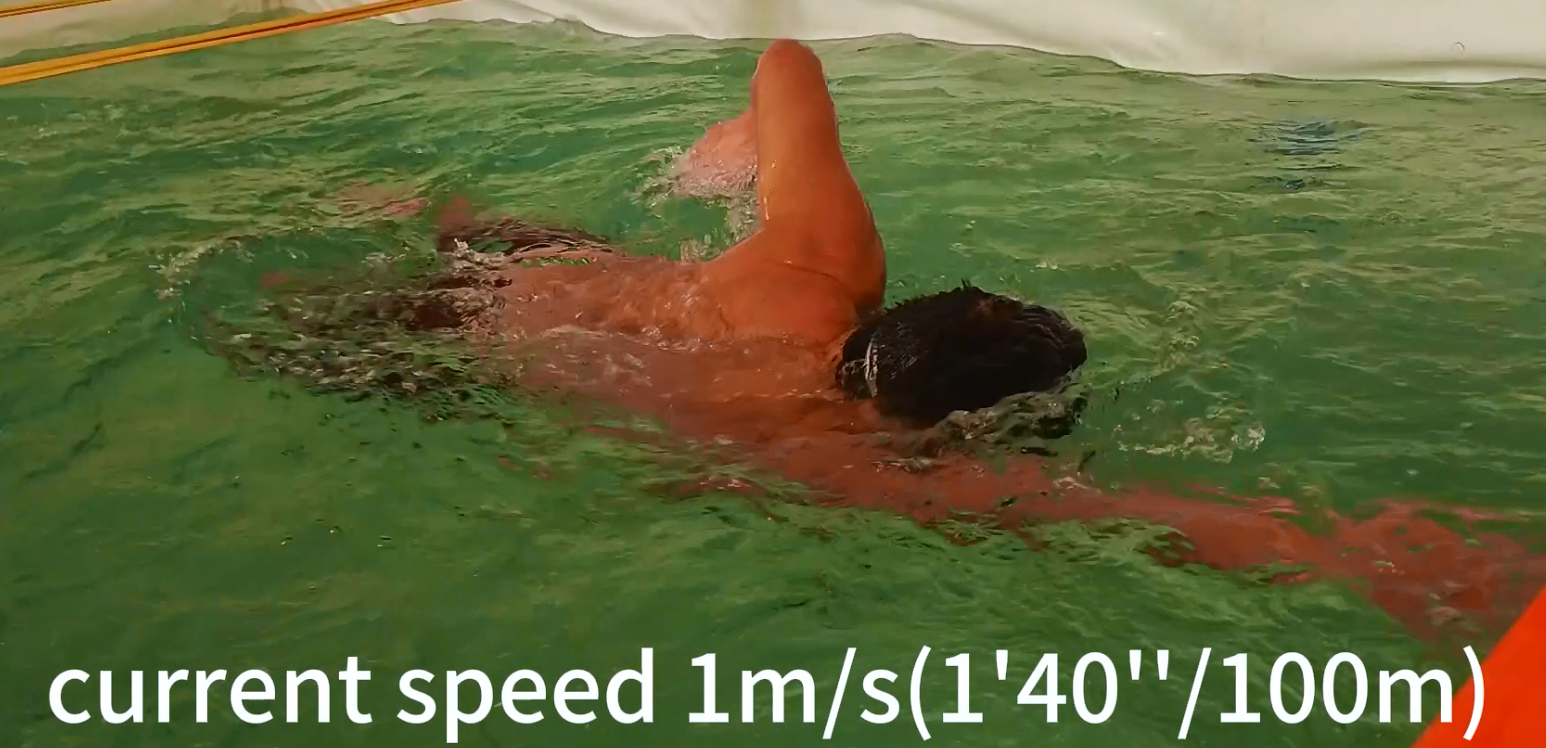
How a Counter-Current Swim Jet Works: Physics, Design, and Flow Control
Hydrodynamic Principle: Generating Steady, Adjustable Water Flow
Counter current swim jets work by pulling water from pools using powerful pumps then speeding it up through specially designed nozzles to create smooth flowing streams. Swimmers push against these streams which usually range between half a meter to two and a half meters per second. This setup mimics the feel of open water swimming without needing to actually move forward across the pool. What makes these systems really stand out is their ability to adjust resistance levels on the fly thanks to pumps that can change speed and nozzles that direct differently depending on what kind of workout someone wants. Better quality units often include special vanes inside that straighten out the water flow so there's less turbulence, making sure the resistance stays even throughout each stroke. This helps athletes fine tune their technique and get their bodies positioned correctly in the water just like they would during actual competitions.
Key Components and Installation Considerations for Residential and Commercial Use
| Component | Residential Requirements | Commercial Specifications |
|---|---|---|
| Pump System | 1–2 HP energy-efficient motor | 3–5 HP industrial-grade pump |
| Flow Nozzles | Adjustable stainless steel jets | Reinforced ceramic nozzles |
| Control Interface | Basic wall-mounted panel | IP68 waterproof touchscreens |
| Structural Support | Standard PVC plumbing | Reinforced stainless steel piping |
Getting these systems installed properly takes some serious planning. For homes, we're talking about setting up a special 15 to 20 amp circuit plus finding around 2 to 3 square meters of open water where people can actually swim without bumping into anything. Commercial installations are even trickier business requiring three phase power connections and reinforcing those pool walls so they can handle all that constant force from the water movement. The waterproof control panel needs to stay right where someone can grab it fast if something goes wrong, which means mounting it somewhere accessible but not too close to splashing areas. Upstream flow sensors help keep track of how everything's performing over time. And don't forget about those nozzles either. Getting them aligned just right matters a lot whether this is part of brand new construction or retrofitting an existing pool. Proper alignment creates that nice straight current lane swimmers want and prevents all that annoying water dispersion that makes workouts feel less effective.
Personalized Training with Adjustable Resistance from a Counter-Current Swim Jet
Tailoring Flow Speed for Beginners, Rehab Patients, and Competitive Swimmers
Swim jets that work against the current offer personalized training because they let users adjust how fast the water moves past them. Newcomers can gain confidence and improve their technique with slower currents around 0.3 to 0.5 meters per second. These gentle currents help reduce tiredness while teaching good timing for strokes and breathing techniques. People recovering from injuries find the medium speed range of about 0.6 to 0.8 m/s particularly helpful. The water supports most of their body weight, taking away up to 90% of the pressure on joints when doing controlled movements for therapy. For competitive swimmers looking to push harder, speeds between 1.0 and 2.5 m/s create intense workouts that build heart strength, muscle coordination, and the kind of pacing needed for actual races. What makes these jets so special is their flexibility across different settings. Whether someone has a small pool at home or trains at a top facility, the resistance matches exactly what each person needs based on their skill level, training goals, and how well they're recovering from previous workouts.
Integration with Smart Controls and Performance Tracking Systems
Modern equipment comes with Bluetooth connections that work smoothly with smartphone apps, letting people tweak settings during workouts through touch screens, phone controls, or even voice commands. The system makes it easy to switch between intense sprints and recovery periods without pulling someone out of their zone. Sensors built into the gear monitor things like strokes per minute, how efficient each lap is, changes in heart rate patterns, and how long someone stays within target zones, all of which gets displayed on custom dashboards. For coaches and physical therapists, this data becomes gold when adjusting training schedules or checking rehab progress. They can see actual improvements in balance, range of motion, and how well someone moves functionally, turning what was once just guesswork into real numbers that show improvement over time.
Proven Physical Benefits: Cardiovascular Fitness, Muscular Endurance, and Low-Impact Conditioning
Clinical and Biomechanical Evidence of Aerobic and Neuromuscular Gains
Research shows that swimming against an adjustable current can really boost aerobic fitness levels. According to a study published in the European Journal of Applied Physiology back in 2022, people who trained with swim jets hit their target heart rates about 40 percent quicker compared to regular lap swimming. This means they could sustain intense workouts for longer periods without stopping. The result? Improved VO2 max scores and better heart function over time. Many athletes are now turning to these systems because they offer real benefits for cardiovascular training without needing to spend hours in the pool doing endless laps.
When someone moves through water, the resistance works all at once on those little stabilizing muscles, the ones that push forward, plus the whole posture system too. This builds stamina without all the pounding that comes with regular workouts. Studies have found that being in water cuts down the stress on knee and hip joints by about 12 percent compared to working out on solid ground. That makes water exercises really helpful for people recovering from injuries, older adults wanting to stay active, and anyone looking to keep fit for years to come. Research published last year backs this up, showing folks who do organized resistance training in pools maintain their muscle strength better than those doing similar exercises on land, with around 15 percent more strength retained after half a year.
Therapeutic Applications: Aquatic Rehabilitation and Joint-Sparing Recovery
Counter current swim jets really boost their therapeutic value when we think about how water works naturally. The pressure from the water supports joints gently, and floating around takes away about half the stress on those joints. This makes it possible for people with arthritis, folks recovering after surgery, and anyone dealing with long term pain or nerve issues to work out safely without pushing too hard. Studies from clinics indicate that swimming in these systems can actually expand the range of movement by roughly 30 percent for back problems compared to doing exercises on solid ground. These jets let doctors adjust the water speed all the way down to just over half a meter per second, so they can fine tune how much resistance someone gets. That helps build muscle strength over time, improves balance, and teaches body awareness without risking another injury. What we end up with is a treatment space that works well medically but isn't intimidating at all. It gets blood flowing better, calms down inflammation, and brings back normal movement abilities. This matters a lot especially when helping repair damaged ligaments, taking care of brittle bones, or getting older adults back into shape after years of not being active enough.
FAQ
What is a counter-current swim jet?
A counter-current swim jet is a system that creates an adjustable flow of water in a pool, allowing swimmers to swim in place against a current.
How does a counter-current swim jet benefit training?
It provides personalized training by allowing swimmers to adjust the resistance, which helps improve technique, build endurance, and tailor workouts for various skill levels and rehabilitation needs.
What are the key components of a counter-current swim jet system?
Key components include pumps, flow nozzles, control interfaces, and structural support systems, differing in specifications for residential and commercial use.
Are counter-current swim jets useful for rehabilitation?
Yes, they offer therapeutic benefits by providing low-impact resistance, supporting joints, and aiding recovery from injuries or surgeries.
Can swim jets track performance metrics?
Many modern swim jet systems integrate with smart devices to monitor and track swimming metrics, aiding in performance improvements and rehabilitation monitoring.
Table of Contents
- How a Counter-Current Swim Jet Works: Physics, Design, and Flow Control
- Personalized Training with Adjustable Resistance from a Counter-Current Swim Jet
- Proven Physical Benefits: Cardiovascular Fitness, Muscular Endurance, and Low-Impact Conditioning
- Therapeutic Applications: Aquatic Rehabilitation and Joint-Sparing Recovery
- FAQ