
 EN
EN
Core Physics and Function of a Counter-Current System
Bernoulli’s Principle and Momentum Balance in Opposing Flow
Counter current systems work based on Bernoulli's principle. When water speeds up through those jet nozzles, it creates lower pressure areas that suck in surrounding water and create forward motion. This difference in pressure lets swimmers stay put without getting pushed around. The whole thing relies on balancing momentum too. Swimmers push against the current, and the system responds almost instantly by adjusting the water flow. Some studies from the Journal of Fluid Dynamics last year showed interesting results. Keeping the water speed aligned within about plus or minus 0.2 meters per second cuts down on energy use by roughly 17% compared to older systems that couldn't adapt. Maintaining all this requires pretty powerful pumps though. For Olympic sized pools, we're talking about machines with anywhere between 80 to 120 horsepower just to counteract the force humans generate while swimming. These pumps have to transfer kinetic energy really precisely to keep everything working smoothly.
Laminar vs. Turbulent Flow Regimes and Their Impact on Swimmer Experience
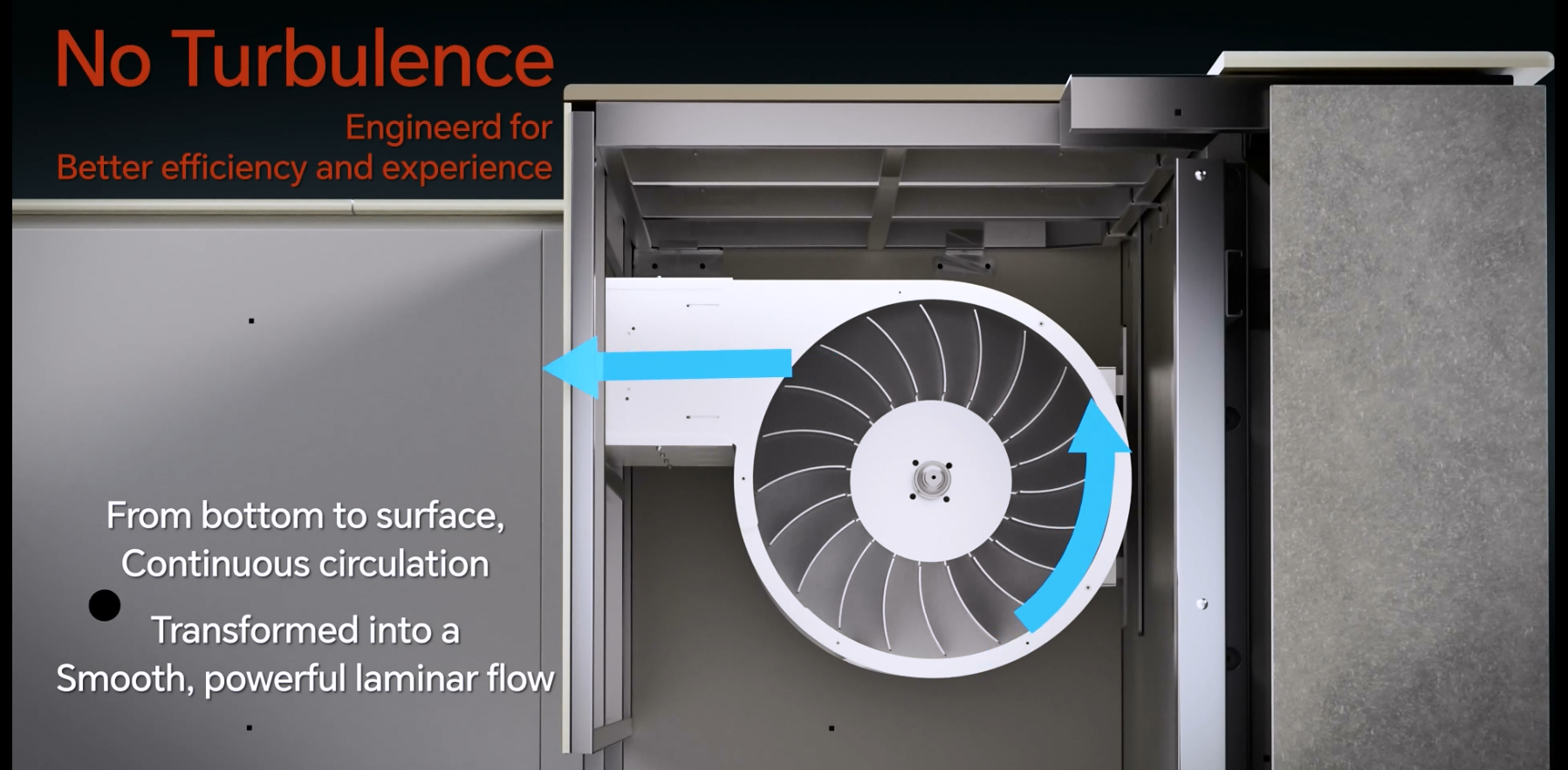
The quality of water flow has a big impact on how effective training sessions are and how comfortable athletes feel. Laminar flow, which means smooth parallel streams that don't vibrate much, gives swimmers the kind of steady resistance they need to refine their strokes and develop better techniques. On the flip side, when we get turbulent flow instead, it causes all sorts of unpredictable pressure changes. According to some research published last year in Sports Engineering Review, this can actually make workouts feel about 34% harder than they should be. That's why modern training facilities have started installing these special tapered diffusers and flow straighteners. These devices help keep things running smoothly by maintaining Reynolds numbers under 2,000, which is right where we want them for laminar conditions. Swimmers tend to notice a real difference too. When the turbulence stays below 5%, most people say they don't get as tired during those intense anaerobic sets. But if the flow gets too chaotic, it messes with normal breathing patterns on both sides and makes it harder to engage the core properly.
Key Components That Enable a Reliable Counter-Current System
High-Efficiency Pumps: Flow Rate, Head Pressure, and Energy Efficiency
Pumps are basically the lifeblood of any pool system. When it comes to home pools, getting around 100 to maybe 200 gallons moving through each minute is pretty much necessary if swimmers want to maintain their speed whether they're just floating or going for laps. Head pressure matters too because without enough power, the water won't push past all those pipes and nozzles properly, and the current gets all messed up. That's where variable speed pumps come in handy. They let folks adjust how fast water moves around, which cuts down on electricity bills by roughly 70% compared to old school single speed models. Over time this adds up big time, especially since most people run their pools for hours at a stretch when they're actually swimming.
Jet Nozzle Design: Diffuser Geometry and Swimmer-Centered Flow Targeting
The way nozzles are designed makes all the difference when turning high pressure water into something actually useful and stable for swimmers. When the diffuser expands gradually, it changes that chaotic turbulence into smooth flowing water, which cuts down on those annoying little whirlpools that wear out equipment faster than normal. Most systems let operators adjust the angle by about plus or minus fifteen degrees so the water hits right around where the torso would be, creating even resistance throughout the body during exercise. Engineers use these fancy computer models called CFD to tweak how water exits the system, getting rid of spots where water just sits still or shoots out too fast in certain areas. What we end up with feels much more natural to swim against, staying pretty consistent throughout the whole length of the pool lane, varying no more than tenth of a meter per second from start to finish.
Counter-Current System Types and Real-World Performance Comparison
Counter current systems today basically come in two main types: those installed right when the pool is built, and ones that get added later to existing pools. The integrated systems tend to give about 15 to maybe even 20 percent better flow consistency because they have better hydraulic routing and stronger structural support. Retrofit units are much cheaper to install upfront, costing around 30 to 40 percent less than building them into new pools. Research into water movement has found that pools built with these systems maintain smooth laminar flow for about 25% longer during extended training sessions. For above ground versions, they work pretty well in shallow rehab pools where some controlled turbulence actually helps with muscle recovery and teaching nerves how to work again after injury. When it comes to saving energy, what kind of pump matters a lot. Variable speed pumps can cut down yearly running costs by anywhere between $200 and $400 compared to old fashioned single speed models in city facilities. Most people who install these systems run into problems with flow uniformity though. Only about half of all retrofitted systems manage to keep water moving at consistent speeds within plus or minus 5% beyond just two meters from the jets unless they add special flow straightening features.
Practical Considerations for Installing and Optimizing a Counter-Current System
Sizing Guidelines Based on Pool Dimensions and Intended Use (Training vs. Rehabilitation)
Getting the right size equipment means matching water movement patterns to how the pool is shaped and what it needs to do. For competitive swim training, most experts recommend流速在1.8到2.2米/秒之间, which usually requires pumps with at least 15 horsepower to create enough resistance for building stroke power and maintaining accurate pacing during races. When it comes to rehabilitation work, things change quite a bit. These applications generally need gentler currents around 0.8 to 1.2 meters per second, often handled by smaller 7 to 10 horsepower systems that can be adjusted as needed without stressing joints. How deep the pool is matters too for where to put those nozzles. Pools over 1.5 meters deep typically need angled diffusers installed so they don't create messy surface waves or pull in unwanted air bubbles. Before making any purchase decisions, it's important to cross check everything against the manufacturer's flow charts and calculate based on actual pool volume measurements. Systems that are too small will lead to frustrating inconsistencies in current strength, whereas going way overboard on system size just burns through extra electricity and wears out components faster than necessary.
| Application | Ideal Flow Rate | Pump Power | Key Consideration |
|---|---|---|---|
| Training | 1.8–2.2 m/s | ≥15 HP | Resistance for stroke refinement |
| Rehabilitation | 0.8–1.2 m/s | 7–10 HP | Adjustable gentler currents |
Maintenance, Noise Control, and Energy-Saving Best Practices
Regular maintenance keeps systems running longer and performing better overall. Monthly cleaning of intake filters stops them from getting clogged and causing reduced water flow. Every three months check those nozzle diffusers for any calcium deposits or biofilm growth that might be building up. Want quieter operation? Mount the pumps on vibration isolators and place equipment at least 3 meters away from pool edges to reduce noise transmission through walls. Variable speed pumps are a game changer when it comes to saving energy, cutting power usage by around 30% compared to old fashioned single speed models. Going further, schedule operations during off peak hours and use thermal covers when pools aren't in use, which can slash reheating costs between half to two thirds. Don't forget to seal all plumbing connections with good quality marine grade epoxy. A small leak here and there can actually waste as much as 20,000 liters of water each year, so this simple step makes a big difference in both efficiency and cost savings.
FAQ Section
What principle do counter-current systems rely on?
Counter-current systems rely on Bernoulli's principle, which uses pressure differences to maintain swimmer's position by adjusting water flow accordingly.
How does laminar flow differ from turbulent flow in these systems?
Laminar flow offers smooth, parallel streams ideal for stable resistance, whereas turbulent flow creates unpredictable pressure changes that make workouts feel harder.
What are the two main types of counter-current systems?
The two main types are integrated systems for new pools and retrofit units for existing pools, with integrated systems providing better flow consistency.
How does pump power and flow rate affect system performance?
Pump power and flow rate are critical, with varying requirements for training versus rehabilitation purposes, affecting resistance, energy efficiency, and cost.
What maintenance practices enhance the efficiency of counter-current systems?
Regular cleaning of intake filters, checking nozzle diffusers for deposits, and using vibration isolators for quieter operation help maintain system efficiency.
Table of Contents
- Key Components That Enable a Reliable Counter-Current System
- Counter-Current System Types and Real-World Performance Comparison
- Practical Considerations for Installing and Optimizing a Counter-Current System
-
FAQ Section
- What principle do counter-current systems rely on?
- How does laminar flow differ from turbulent flow in these systems?
- What are the two main types of counter-current systems?
- How does pump power and flow rate affect system performance?
- What maintenance practices enhance the efficiency of counter-current systems?