
 EN
EN
Como os Jatos Contracorrentes para Natação Permitem Ajuste Preciso do Fluxo de Água
Mecanismo Principal: Bombas de Velocidade Variável e Controle por Inversor Inteligente
As bombas de velocidade variável formam a base para o gerenciamento preciso do fluxo de água nos jatos contracorrentes que vemos em centros de fitness por toda parte. Esses sistemas dependem de motores eletronicamente comutados (ECMs) para alterar sua velocidade de rotação com base em sinais digitais de entrada provenientes do painel de controle. O que os torna tão eficientes é a tecnologia inteligente de inversor que recebe a corrente elétrica AC padrão, converte-a primeiro em DC e depois transforma-a novamente em corrente AC de frequência variável. Isso permite ajustes muito finos nas rotações por minuto sem qualquer arrasto mecânico ou desgaste. Economia de energia? Cerca de 70% melhor do que os modelos antigos de velocidade fixa, segundo testes, mantendo ao mesmo tempo o mesmo nível de potência. Quando alguém altera a configuração de intensidade da natação, a bomba reage bastante rapidamente também — na verdade, em menos de meio segundo — o que significa que os nadadores têm transições suaves entre diferentes níveis de treino, sem trancos súbitos ou turbulência indesejada da água interrompendo sua braçada.
Papel da Tecnologia Inverjet na Modulação em Tempo Real do Fluxo
O sistema Inverjet incorpora sensores de pressão integrados que monitoram a velocidade da água em tempo real. Quando esses sensores detectam qualquer anomalia, eles trabalham em conjunto com algoritmos de feedback em malha fechada, comparando o que está realmente acontecendo com o que deveria estar acontecendo. Se houver até mesmo um pequeno desvio superior a 0,05 milhas por hora, minúsculos chips computacionais internos enviam sinais para alterar a intensidade com que as bombas estão trabalhando. Esse tipo de ajuste em tempo real ajuda a lidar com todos os tipos de problemas, como bicos obstruídos ou quando a água fica mais viscosa devido a temperaturas baixas. Sensores especiais também identificam diferentes estilos de natação, garantindo que o fluxo de água permaneça consistente durante toda a sessão de treinamento, com variação de apenas cerca de 1,5 por cento ao longo de 30 minutos. Para atletas sérios que se preparam para competições, isso significa que eles podem treinar em condições praticamente idênticas às que enfrentarão no dia da prova.
Ponto de Dados: 92% das Piscinas Premium Endless atingem precisão de fluxo de ±0,2 mph
Quando testamos diversos modelos de alta performance, cerca de 92 por cento manteve uma precisão de fluxo bastante boa, permanecendo dentro de mais ou menos 0,2 milhas por hora, independentemente do ajuste utilizado. O motivo pelo qual esses equipamentos apresentam um desempenho tão elevado? Eles são equipados com sensores sofisticados com calibração a laser, motores CC sem escovas e um software inteligente que se adapta conforme necessário. Para pessoas que realizam terapia física em velocidades baixas, entre meia milha e pouco mais de uma milha por hora, esse tipo de precisão faz toda a diferença no que diz respeito à resistência consistente, sem sobrecarregar as articulações durante a recuperação. E mesmo quando ajustados para velocidades mais altas, destinadas a atletas sérios que treinam entre três e cinco milhas por hora, recursos especiais de amortecimento hidráulico mantêm o equipamento estável o suficiente para prevenir acidentes. Alguns estudos sobre terapia aquática descobriram que esse nível de consistência reduz em cerca de um terço a percepção de variação no esforço realizado, o que ajuda significativamente a acompanhar o progresso ao longo do tempo.
Bocal e Ajuste do Jato para Resistência Personalizada na Natação
Obter a configuração ideal para jatos de natação contra corrente depende muito da qualidade do design dos bocais, além de compreender os princípios básicos da dinâmica dos fluidos. A maioria dos nadadores descobre que pode ajustar a direção do jato tanto para esquerda-direita quanto para cima-baixo, alcançando músculos difíceis de atingir, alterando simplesmente a resistência sentida ao girar um ou dois controles. O que torna esses sistemas tão versáteis é a capacidade de acomodar todos os tipos de estilo de natação. Alguém pode estar fazendo movimentos verticais de permanência na água em um minuto e mudar para o nado livre horizontal no seguinte, sem perder qualquer impulso real da corrente. O sistema aplica praticamente a mesma quantidade de força independentemente de a pessoa estar em pé dentro do tanque ou deitada com os braços estendidos.
Bocais Giratórios e Ajuste do Fluxo em Múltiplos Eixos
Bicos montados com articulação oferecem rotação horizontal de 180 graus e inclinação vertical de 45 graus, permitindo que treinadores direcionem o fluxo laminar para as pernas durante exercícios de chutes ou para o tronco superior em séries de remada. Estudos de campo mostram que esse ajuste reduz o tempo de configuração em 40% em comparação com sistemas de bicos fixos, mantendo uma consistência de força de ±5% entre as posições.
Alternância entre Modo Laminar e Turbulento para Resistência Específica por Habilidade
O sistema permite alternar entre configurações de fluxo laminar e turbulento, dependendo do tipo de treino necessário. No modo laminar, a água se move suavemente, sem interrupções, sendo ideal para trabalhar a técnica adequada de natação. Ao mudar para o modo turbulento, é adicionada uma resistência imprevisível, o que aumenta o gasto energético durante natações longas em cerca de 18 por cento, segundo alguns testes. O que torna esse recurso tão útil é sua versatilidade em diferentes situações. Um nadador pode começar com exercícios leves de reabilitação, em velocidades entre meia milha por hora e um pouco mais de uma milha por hora, e depois aumentar a intensidade no mesmo treino para atingir metas intensivas de condicionamento, com velocidades chegando de três e meia a cinco milhas por hora.
Sistemas de Controle Fáceis de Usar: De Botões Manuais à Integração com Aplicativos Inteligentes
Evolução das Interfaces do Utilizador: Botões Giratórios até Painéis Táteis com Bluetooth
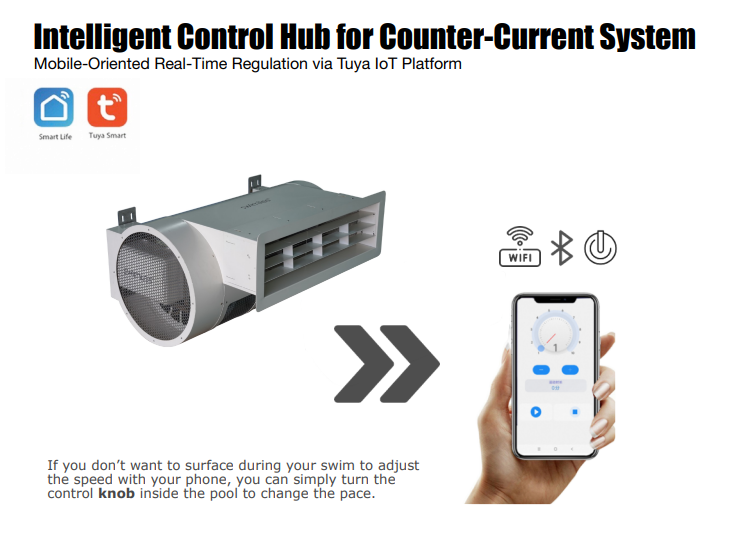
Os sistemas de controle de jatos para natação evoluíram muito desde aqueles antigos botões rotativos que costumávamos ajustar com os dedos dos pés. Naquela época, alterar as configurações significava sair completamente da água, o que era bastante incômodo ao tentar manter a rotina de natação. Atualmente, os sistemas contam com painéis sensíveis ao toque conectados via Bluetooth, permitindo que os nadadores alterem o fluxo de água ainda durante o movimento. Algumas pessoas afirmam que essa nova tecnologia reduz em cerca de 40% o transtorno da configuração, com base nos relatórios recentes do setor aquático de 2024. Os fabricantes também estão incorporando controles por voz e gestos manuais para tornar tudo ainda mais fácil. A maioria dos sistemas permite que os usuários deslizem o dedo para ajustar os níveis de resistência ou pressionem um único botão para ativar programas predefinidos, eliminando todas aquelas opções de menu complicadas que antes deixavam as pessoas loucas.
Estudo de Caso: Sistema HydroTrack Reduz Tempo de Ajuste em 68%
Pesquisas recentes sobre sistemas premium de piscinas mostram que interfaces inteligentes realmente aumentam a eficiência desses sistemas. Após acompanhar mais de 300 alterações no fluxo de água, cientistas descobriram algo interessante: quando as pessoas usavam painéis digitais em vez de mostradores tradicionais, conseguiam fazer ajustes em apenas 1,2 segundo em média. Isso é quase dois terços mais rápido do que antes! A principal vantagem vem do fato de ter todos os controles em um único lugar. Os nadadores podem ajustar tudo, desde a direção da água até a velocidade e até mesmo o nível de turbulência da corrente, sem precisar alternar entre diferentes botões e reguladores. Isso faz uma grande diferença durante sessões intensas de treinamento, nas quais cada segundo conta e interrupções quebram a concentração. Muitos proprietários de piscinas relatam sentir-se menos frustrados ao ajustar seu sistema com precisão, agora que tudo está centralizado.
Personalização do Fluxo de Água para Diferentes Necessidades de Natação e Níveis de Condicionamento Físico
Escala de Resistência por Níveis de Habilidade: Reabilitação (0,5–1,2 mph) a Treinamento de Elite (3,5–5,0 mph)
Os jatos de natação atuais oferecem níveis ajustáveis de resistência que funcionam para quase qualquer pessoa que deseje entrar na água. Para pessoas em terapia, a corrente geralmente é definida entre meio milha por hora e um pouco mais de uma milha por hora, o que ajuda na recuperação das articulações sem sobrecarga excessiva. Por outro lado, nadadores competitivos aumentam a intensidade para cerca de três milhas e meia por hora até cinco milhas por hora quando precisam simular velocidades reais de competição. Esses sistemas possuem motores especiais internos que permitem variar a potência gradualmente, sem picos súbitos de pressão, permitindo que alguém comece com sessões leves de reabilitação e aumente progressivamente até uma intensidade séria de treinamento, tudo na mesma área da piscina.
Predefinições de Resistência Personalizáveis para Exercícios Específicos por Estilo de Nado
Sistemas modernos de piscinas vêm equipados com programas predefinidos que correspondem a diferentes técnicas de natação e objetivos de treino. Os atletas podem armazenar configurações personalizadas, como o modo de nado borboleta em velocidade máxima, em torno de 4,8 milhas por hora, onde a resistência da água é intensa, ou alternar para configurações de resistência crawl a cerca de 3,2 mph, quando é necessário um fluxo de água mais suave. Não há mais necessidade de ajustar controles entre voltas, já que tudo permanece configurado automaticamente. Isso significa que piscinas comuns se tornam algo especial para fins de treinamento. Triatletas conseguem treinar em condições semelhantes às de provas reais em águas abertas, enquanto nadadores em reabilitação se beneficiam de ambientes constantes e suaves que não agravam lesões. O simples início com um único botão faz toda a diferença, especialmente durante os exaustivos treinos HIIT, nos quais cada segundo conta.
Confiabilidade do Sistema e Tempo de Resposta em Jatos Contracorrente de Alta Performance
Tempo de Resposta Inferior a Um Segundo em Sistemas de Alta Gama
Jatos de natação projetados para alto desempenho podem ajustar o fluxo de água em pouco mais de um segundo graças a motores CC sem escovas que funcionam em conjunto com software inteligente de previsão. Esse tempo de reação rápido permite alternar suavemente entre sprints intensos e períodos de recuperação mais lentos, sem interromper o ritmo do treino. O sistema depende de sensores hidráulicos que verificam alterações de pressão a uma taxa impressionante de 200 leituras por segundo, ajustando constantemente as configurações para manter a velocidade da água exatamente onde deve ser. Conseguir esse nível de precisão é muito importante ao tentar simular cenários reais de corrida, pois atrasos mínimos de cerca de 0,1 segundos já começam a interferir no tempo adequado da braçada e na eficiência geral da natação durante as sessões de treinamento.
Equilibrando Precisão e Simplicidade: Enfrentando o Paradoxo do Design de Interface
O setor de manufatura lida com sistemas de controle complexos utilizando designs inteligentes de interface. Iniciantes geralmente se limitam a modos básicos como "Endurance" ou "Sprint", bastando um único toque no botão, enquanto treinadores experientes têm acesso a todos os detalhes específicos, como coeficientes de turbulência, após inserirem uma senha segura. Pesquisas sobre o fluxo de água ao redor dos equipamentos mostram que essas opções de controle em camadas reduzem o tempo de configuração em quase dois terços. Quando os fabricantes incorporam IA capaz de reconhecer padrões comuns de resistência, o sistema começa a lembrar quais configurações funcionam melhor em diferentes condições. Isso significa que ajustes automáticos ocorrem nos bastidores, mantendo tudo devidamente calibrado, sem que ninguém precise se preocupar em descobrir cada parâmetro individualmente.
Perguntas Frequentes
Qual é o principal benefício das bombas de velocidade variável em jatos para natação?
As bombas de velocidade variável proporcionam controle preciso sobre o fluxo de água, resultando em economia de energia de cerca de 70% em comparação com modelos de velocidade única, ao mesmo tempo que garantem transições suaves na intensidade da natação.
Como a tecnologia Inverjet contribui para o controle preciso do fluxo de água?
A tecnologia Inverjet utiliza sensores de pressão e algoritmos de feedback em malha fechada para manter um fluxo de água constante, ajustando a operação da bomba com base nas condições em tempo real.
Quais são as vantagens do ajuste orientável dos bicos?
Os bicos orientáveis permitem o ajuste da direção do fluxo em múltiplos eixos, aumentando a versatilidade na configuração dos jatos de natação e reduzindo o tempo de instalação em 40% em comparação com sistemas de bicos fixos.
Como evoluiu a tecnologia dos sistemas de controle de jatos de natação?
Os sistemas de jatos de natação evoluíram de controles manuais por botões rotativos para painéis sensíveis ao toque com Bluetooth, melhorando a usabilidade e reduzindo em 40% as dificuldades de configuração.
Quais opções de escalonamento de resistência estão disponíveis nos jatos de natação modernos?
Jatos de natação modernos oferecem níveis ajustáveis de resistência atendendo a uma variedade de necessidades, desde reabilitação (0,5–1,2 mph) até treinamento de elite (3,5–5,0 mph).
Sumário
- Como os Jatos Contracorrentes para Natação Permitem Ajuste Preciso do Fluxo de Água
- Bocal e Ajuste do Jato para Resistência Personalizada na Natação
- Sistemas de Controle Fáceis de Usar: De Botões Manuais à Integração com Aplicativos Inteligentes
- Personalização do Fluxo de Água para Diferentes Necessidades de Natação e Níveis de Condicionamento Físico
- Confiabilidade do Sistema e Tempo de Resposta em Jatos Contracorrente de Alta Performance
-
Perguntas Frequentes
- Qual é o principal benefício das bombas de velocidade variável em jatos para natação?
- Como a tecnologia Inverjet contribui para o controle preciso do fluxo de água?
- Quais são as vantagens do ajuste orientável dos bicos?
- Como evoluiu a tecnologia dos sistemas de controle de jatos de natação?
- Quais opções de escalonamento de resistência estão disponíveis nos jatos de natação modernos?