
 EN
EN
The Science Behind Counter Current Swim Jet Resistance
How water propulsion creates consistent, adjustable resistance
Water propulsion systems work by generating resistance through specially designed nozzles that shoot out fast moving water streams, which creates a steady current for swimmers to push against during their workout. The beauty of these systems is that they let people adjust the flow rate to match their desired level of intensity. Natural bodies of water just can't compete with this kind of control since rivers and lakes have all sorts of unpredictable factors affecting them. These modern systems keep things consistent thanks to their recirculation pumps, so every swim session feels the same regardless of conditions outside. Swimmers simply tweak the resistance settings right from the control panel, making it easy to switch between different training modes or recovery sessions without needing extra gear or worrying about weather changes messing up their routine.
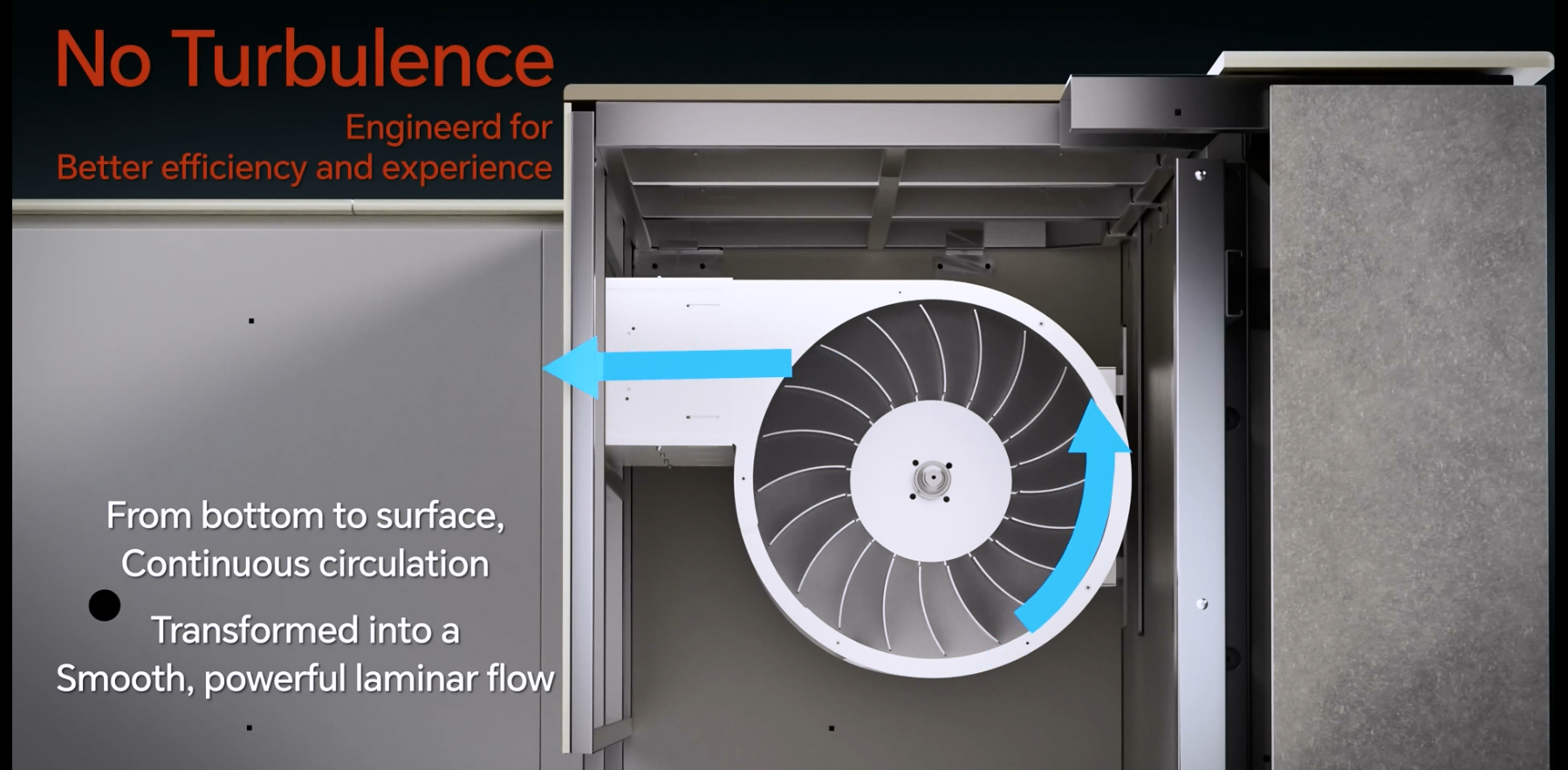
Physics of laminar flow vs. turbulent drag in swim jet design
Laminar flow tech creates those nice smooth water layers that cut down on wasted energy and all that messy resistance we see in regular systems. The nozzles keep things flowing nicely until around 7 miles per hour. After that point, special baffles are positioned throughout the system to create just enough turbulence so swimmers experience realistic drag like they would in actual pools. These changes help maintain efficient pumping even when conditions change. Engineers have found this two part approach works best because it handles both how water moves naturally and what's actually needed for proper function in most aquatic facilities today.
Industry-standard flow rates (3-12 mph) and their biomechanical impact
Current velocity directly shapes muscle recruitment and joint loading. Kinesiology research confirms distinct biomechanical responses across the standard 3-12 mph range:
| Flow Speed | Primary Muscle Activation | Training Application |
|---|---|---|
| 3-5 mph | Core stabilizers, rotator cuffs | Rehabilitation, technique drills |
| 6-8 mph | Lats, deltoids, glutes | Endurance building |
| 9-12 mph | Full kinetic chain synchronization | Power development |
Higher velocities (≥8 mph) increase stroke cycle frequency by 22-35%, enhancing neuromuscular coordination without impact stress–making them ideal for high-intensity, low-risk conditioning.
Integration with pool hydraulics and energy efficiency metrics
The latest systems link jet propulsion directly to filtration cycles, which allows them to reuse around 70 to 85 percent of the hydraulic energy normally wasted. These variable speed pumps can tweak their electricity usage depending on what kind of resistance is needed at any given moment. Meanwhile, the intelligent control systems cut down on power consumption by nearly half when running in those low flow maintenance settings. What this means is no extra pipes are needed anymore, and these setups actually hit the ENERGY STAR standards for pools and spas. So facility managers now know they don't have to spend outrageous amounts on energy bills just to get top notch performance from their water resistance equipment.
Cardiovascular and Respiratory Benefits of Resistance Swimming
VO2 max elevation compared to traditional swimming: Insights from a 2023 JSCR meta-analysis
According to a recent study from 2023 in the Journal of Strength and Conditioning Research, people who train with counter current swim jets see around 12 to 18 percent better improvements in their VO2 max compared to regular lap swimming. What makes this method work so well is the constant resistance that can be adjusted as needed. This kind of workout boosts heart function and actually helps build more mitochondria and blood vessels in the muscles being worked out. The result? Similar aerobic benefits but with workouts that typically take about 20% less time overall. For serious endurance athletes looking to maximize training efficiency, or patients needing rehabilitation, these shorter yet effective sessions offer real practical advantages without sacrificing quality results.
Heart rate variability (HRV) response during sustained counter-current effort
Looking at Heart Rate Variability (HRV) measurements shows some pretty impressive results from aquatic resistance training. After just eight weeks of this kind of workout, participants saw their HRV scores jump anywhere between 20 to 25 percent. That means better recovery through the parasympathetic nervous system and improved ability to handle stress. Water workouts create a no impact setting where people can maintain higher heart rates for longer periods without putting strain on their joints or causing those nasty cortisol spikes. Research actually shows that during these underwater sessions, stroke volume increases about 15%
FAQ Section
What is counter current swim jet resistance?
Counter current swim jet resistance involves using water propulsion systems to generate adjustable resistance for swimming, allowing for controlled and consistent workout conditions.
How do swim jets improve training efficiency?
Swim jets offer adjustable resistance, enabling swimmers to engage in more effective workouts in less time, while improving VO2 max and heart function.
Are energy-efficient swim jet systems available?
Yes, modern swim jet systems integrate with pool hydraulics for enhanced energy efficiency, meeting ENERGY STAR standards and reducing power consumption.
What are the biomechanical benefits of swim jet training?
Swim jet training affects muscle recruitment and joint loading across different flow speeds, aiding rehabilitation, endurance building, and power development.
Table of Contents
- The Science Behind Counter Current Swim Jet Resistance
-
Cardiovascular and Respiratory Benefits of Resistance Swimming
- VO2 max elevation compared to traditional swimming: Insights from a 2023 JSCR meta-analysis
- Heart rate variability (HRV) response during sustained counter-current effort
- FAQ Section
- What is counter current swim jet resistance?
- How do swim jets improve training efficiency?
- Are energy-efficient swim jet systems available?
- What are the biomechanical benefits of swim jet training?