
 EN
EN
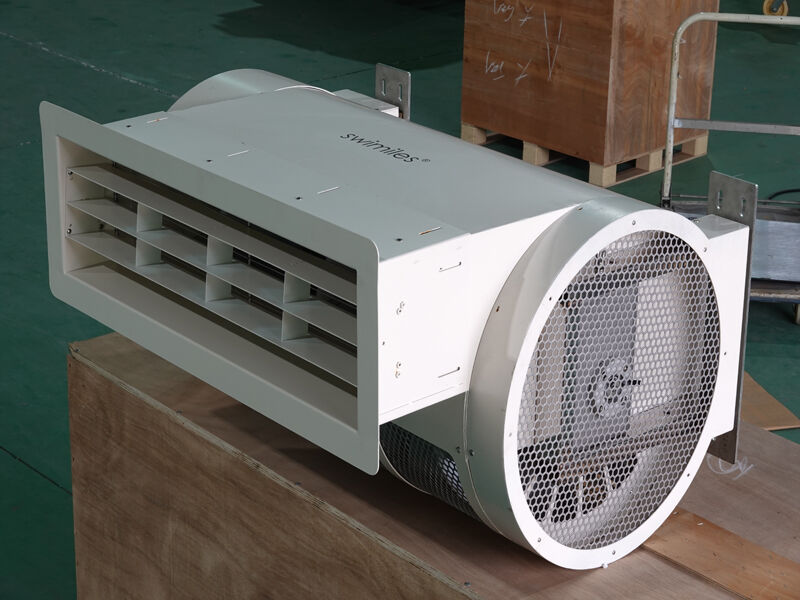
How Counter Current Swim Jet Efficiency Is Measured and Optimized
Flow Rate vs. Power Input: The Core Efficiency Metric for Counter Current Swim Jets
When looking at how efficient counter current swim jets really are, we measure it by how many gallons per minute (GPM) they push through for every watt of power they consume. Jets that deliver higher GPM per watt basically convert energy better. Some top quality models can actually perform anywhere between 50 to maybe even 80 percent better than run-of-the-mill ones on the market today. Why? Because these high performers are built with careful engineering techniques that take advantage of something called computational fluid dynamics. The goal here is simple but effective: reduce all that annoying turbulence and those pesky hydraulic losses that waste so much energy. What makes this possible? A few key factors stand out as major players in this efficiency game...
- Impeller precision: Laser-balanced impellers reduce friction losses by up to 25%
- Volute geometry: Smooth, accelerated laminar flow paths lower pressure drops
- Motor calibration: Copper-wound stators improve electromagnetic efficiency
Regular maintenance—including seal lubrication and intake cleaning—is essential to sustain these gains. Biofilm buildup alone can degrade performance by 15–30% annually. Leading manufacturers now embed this metric into R&D workflows, with third-party verification increasingly standard.
Why Traditional Swim Jets Waste Energy — Hydraulic Losses and Motor Mismatch
Legacy systems waste energy through two interrelated flaws: uncontrolled hydraulic resistance and fixed-speed motor operation. Hydraulic inefficiencies arise from:
- Frictional drag: Corrugated hoses and sharp bends dissipate 20–35% of pump energy as heat
- Turbulence: Poorly aligned diffusers induce vortex shedding, demanding 40% more power for equivalent flow
- Cavitation: Undersized inlets generate vapor bubbles that erode components over time
Simultaneously, single-speed motors operate at peak RPM regardless of user demand—wasting up to 60% of power during moderate sessions. Modern inverter-driven pumps resolve this by modulating output based on real-time swimmer proximity, cutting idle consumption by 55% and extending motor life.
Turbine-Based vs. Pump-Based Counter Current Swim Jet Designs
Hydraulic Efficiency Limits: Why Turbine Systems Achieve Higher Flow per Watt
Turbine systems generally work better than pumps when it comes to moving water efficiently because they rely on spinning motion instead of squeezing water through tight spaces. Pump jets basically force water along narrow channels which creates all sorts of turbulence and friction problems. Turbines do things differently though, they just speed up the water flow with much less resistance. This means about 30% less wasted energy overall, so we get more water movement for each unit of power used. Another big plus is how consistently turbines direct water flow. This leads to even thrust throughout the system, making for smoother operation without needing constant tweaks to compensate for uneven pressure points.
Motor Load Optimization: Inverter-Driven Pumps vs. Fixed-Speed Turbines
Pumps powered by inverters can change speeds to match how hard someone is working out, but they still don't reach maximum efficiency when loads vary. Especially when accelerating, the motors fall out of those sweet spots where they work best. Fixed speed turbines tell a different story though. They keep spinning at the same rate inside their most efficient operating window all the time. This means no sudden power surges and saves around 15 to 22 percent in energy waste across regular swimming sessions. The downside? Turbines aren't as fine tuned for speed changes. But what they lack in precision they make up for with rock solid mechanical performance and real long term savings on electricity bills.
Smart Jet Regulation Methods That Reduce Energy Use Without Sacrificing Performance
Variable-Speed Control and Distance-Adaptive Flow Adjustment
Variable speed motors allow for adjusting power on the fly, which cuts down on motor workload by around 30 to 50 percent during regular workouts when compared with older fixed speed systems according to Fluid Dynamics Journal in 2023. These systems come equipped with special sensors that track where swimmers are located in the pool and then tweak the speed of water jets automatically. The result is steady resistance levels without wasting extra water flow. Swimmers get better results because they can fine tune their workout intensity between roughly 2 meters per second all the way up to 7 meters per second without any loss in efficiency. For people who focus heavily on building endurance through swimming, these features really make a difference in long term performance improvements.
Air Injection Trade-Offs: When It Saves Energy — and When It Doesn’t
When we inject air into water systems, the density goes down which makes motors work less hard. This can cut energy usage by around 15 to 25 percent during casual swimming sessions. But things change when someone wants serious intensity. At those higher levels, swimmers actually need thicker water to get that real resistance feeling. According to some recent studies published in Hydrodynamics Review last year, these air mixed streams require about 18% more water flow just to match what plain old water delivers. So all those energy savings disappear when it comes time for actual performance. What works best? Turn on the air feature when nobody's pushing their limits, but switch it off completely during serious workouts. That way, the resistance stays true to form while keeping the whole system running efficiently.
Real-World Energy Savings: Validated Performance of Modern Counter Current Swim Jets
Tests show that today's counter current swim jets cut down on energy usage about half compared to older models according to the Pool Equipment Efficiency Study from last year. What makes these systems so efficient? Well, they incorporate several smart features. The turbine hydraulics work about 12 percent better per watt than regular pumps, plus there are those intelligent variable speed controls that adjust based on where swimmers are positioned and how hard they're working. And here's something important nobody wants to hear about their equipment getting worse just because it saves money. People actually say the resistance stays just as good even though they spend around seven hundred forty dollars less each year on running costs as reported in the Pool & Spa Efficiency Report this past year. Looking at real world examples in commercial settings confirms these environmental benefits too. Systems that have been optimized run with thirty percent less power when used continuously throughout the day, which has been checked against ENERGY STAR standards for pool pumps. With turbine tech and motors powered by inverters becoming more common now, top notch efficiency isn't only reserved for expensive equipment anymore.
FAQ
-
How is the efficiency of counter current swim jets measured?
The efficiency is measured by how many gallons per minute (GPM) are pushed through for every watt of power consumed. -
What are the benefits of turbine-based systems over pump-based ones?
Turbine systems achieve higher flow per watt because they offer less resistance and friction, resulting in about 30% less wasted energy. -
Can traditional swim jets be energy inefficient?
Yes, traditional swim jets waste energy due to uncontrolled hydraulic resistance and fixed-speed motor operation. -
What maintenance is required to keep swim jets efficient?
Regular maintenance like seal lubrication and intake cleaning is essential, as well as managing biofilm buildup. -
How can smart jet regulation methods reduce energy use?
They use variable-speed controls and distance-adaptive flow adjustments to steady resistance levels without extra water flow.
Table of Contents
-
How Counter Current Swim Jet Efficiency Is Measured and Optimized
- Flow Rate vs. Power Input: The Core Efficiency Metric for Counter Current Swim Jets
- Why Traditional Swim Jets Waste Energy — Hydraulic Losses and Motor Mismatch
- Turbine-Based vs. Pump-Based Counter Current Swim Jet Designs
- Smart Jet Regulation Methods That Reduce Energy Use Without Sacrificing Performance
- Real-World Energy Savings: Validated Performance of Modern Counter Current Swim Jets
- FAQ