
 EN
EN
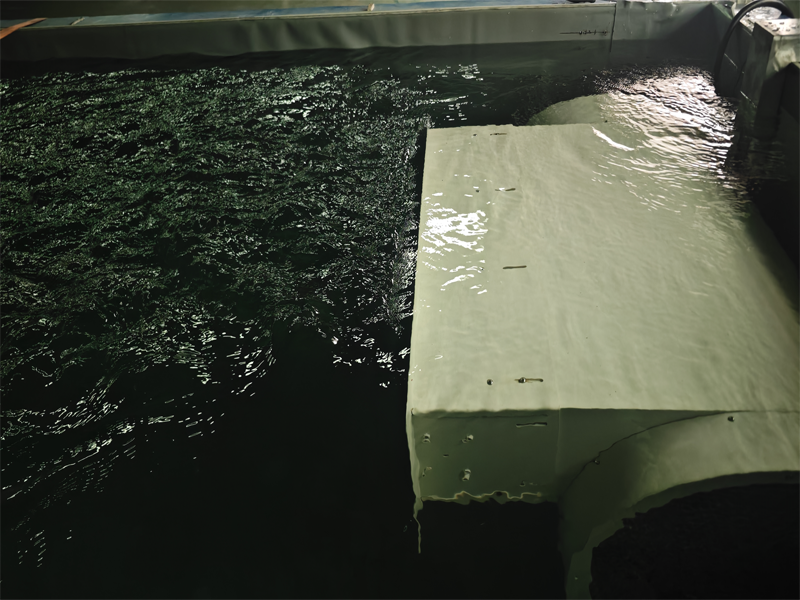
Kako prototokovni princip omogoča vgrajeno nizko vzdrževanje
Zmanjšano hidravlično obremenitev in mehansko obrabo zaradi uravnotežene nasprotne pretokovne sile
Prototokovni sistemi zmanjšujejo mehansko obrabo, saj uporabljajo tokove tekočin, ki se gibljejo v nasprotnih smereh. Ko se tekočine tako premikajo ena proti drugi, se tlaki na vseh udeleženih delih uravnotežijo. Ta uravnoteženost preprečuje nastanek ostrih udarnih valov, ki običajno povzročajo utrujanje komponent s časom. Raziskave obnašanja tekočin kažejo, da takšni nasprotni tokovi zmanjšajo obrabo delov približno za 40 % v primerjavi s sistemi, kjer se vse premika le v eno smer. To je zelo pomembno, saj preprečuje nenadne skoke tlaka, ki pogosto povzročijo hitrejšo okvaro tesnil in ležajev kot običajno.
Urejenost laminarnega toka, ki zavira usedanje in nastajanje bioplenk
Nasprotni tokovi navadno ohranjajo stabilno smer, kar pomaga ohraniti lepe in gladke laminarne tokovne vzorce, ki jih vsi želimo. Ko se tokovi gibljejo vzporedno na ta način, praktično preprečujejo usedanje delcev na določenem mestu. Poleg tega te razporeditve motijo mikroorganizme pri tvorbi bioplenk, saj ni turbulenc, ki bi jim omogočile pravilno skupno prilepljanje. Študije kažejo, da se pri ohranitvi laminarnega toka usedline nabirajo približno za 68 % manj kot običajno, bakterije pa preprosto ne morejo uskladiti svojega delovanja za kolonizacijo površin. Naslednji korak je zelo zanimiv: celoten sistem se s časom sam počisti, zato operaterji niso prisiljeni vsakič, ko se kaj umazajo, uporabljati kemikalije.
Ključne značilnosti načrtovanja nizko-vzdrževanih sistemov z nasprotnim tokom
Vgrajene komore za čiščenje in polnjenje, ki izključujejo ročno odstranjevanje naklada in izpad delovanja
Čistilne polnilne komore delujejo tako, da z vzorci gibanja vode ločijo minerale, ki se nabirajo med običajnim obratovanjem, kar ustvari posebna območja, kjer se usedline lahko usedejo namesto, da bi ostale v glavnem toku. Tradicionalne nastavitve zahtevajo nadležne tedenske kisline kopeli, te nove komore pa neprekinjeno opravljajo umazano delo samodejno s sistemom rednih izpiralnih ciklov. Izzivni testi v praksi so pokazali, da osebje za vzdrževanje porabi približno 89 % manj časa za ročno odstranjevanje usedlin, kar zmanjša letno število ustav sistema na približno 200 ur v primerjavi z več kot 740 urami letno, ki jih večina industrijskih sistemov običajno doživlja. Poleg tega, ker je celoten sistem tesno zaprt, med čiščenjem ni nobene možnosti mešanja različnih snovi, zato ostane celoten sistem higieničen tudi med vzdrževanjem, brez potrebe po razstavljanju katerekoli komponente.
Samodejno čistilne razdelilne razdelilne plošče z optimizirano geometrijo izhodnih odprtin za popolnoma brez zamašitve
Sistem za samodejno čiščenje razdelilnika uporablja mreže iztočnih odprtin, optimizirane z računalniško modelirano dinamiko tekočin, ki ohranjajo laminarne hitrosti pretoka nad tistimi, ki bi običajno povzročile nabiranje usedlin. Šobice so zasnovane z posebnimi protivrtinčnimi oblikami, vključno s 15-stopinjskimi stožčastimi vhodi, o katerih smo že prej omenili, ter motniki mejnega sloja, ki preprečujejo lepljenje delcev. Ko je pretok majhen, ti sistemi samodejno aktivirajo impulze za obratno izpiranje, s čimer se vse delce odstrani brez potrebe po ročnem posegu. Neodvisni preskusi so pokazali popolnoma nič težav s zamašitvijo po več kot 12.000 urah obratovanja, celo pri surovinah, ki vsebujejo več kot 500 delcev na milijon trdnih snovi. Sestavni deli trajajo skoraj štirikrat dlje kot pri običajnih sistemih zaradi te zasnove, kar predstavlja resno izboljšavo za naprave, ki vsakodnevno obrabljajo zahtevne materiale.
Učinkovitost uporabe energije in integracija sistema kot ukrepi za zmanjšanje vzdrževanja
Tehnologija pretoka serije A1/A2/A4 Pro: za 37 % krajša delovna doba črpalke (podatki iz poljskih preskusov, potrjeni z NSF)
Pri sistemih za prototok napredna optimizacija pretoka resnično zmanjša mehanske obremenitve, saj črpalke delujejo redkeje. Glede na poljske preskuse, ki izpolnjujejo standarde NSF/ANSI 50, ti sistemi zmanjšajo delovno dobo črpalke za približno 37 % v primerjavi s starejšimi modeli v enem letu. Prednosti segajo dlje kot le varčevanje z električno energijo. Sestavni deli, kot so tesnila, ležaji in impelerji, imajo med servisnimi pregledi znatno daljšo življenjsko dobo – povprečno za dodatnih 14 mesecev. Poleg tega je splošno obraba manjša, saj se zmanjša poraba energije in se deli med obratovanjem manj segrejejo, kar pomeni manj okvar in nadomestitev v prihodnje.
Predmontirani, trajno integrirani sestavni deli sistema za prototok, ki zmanjšujejo napake pri vzpostavljanju sistema in tveganje za dolgoročno vzdrževanje
Ko tovarne že od začetka integrirajo sestave z natančno poravnanimi kolektorji, senzorji in lepljenimi priključki, zmanjšajo napake pri nastavitvah na terenu, ki so po raziskavi Water Quality Association iz lani povzročile približno dve tretjini zgodnjih odpovedi sistemov. Trajno zaprti spoji preprečujejo uhajanje na priključnih mestih, kjer so se težave pojavljale skoraj v polovici primerov za vzdrževalna opravila. Te integrirane sisteme zaznamujejo stabilni tokovni vzorci, ki ne nabirajo delcev in jim ni značilna korozija, kot je bilo to pri starejših modelih. V petih letih obrati običajno zaznajo približno 60-odstotno zmanjšanje obiskov za servis v primerjavi s tradicionalnimi namestitvami, kar prihrani denar in zmanjša izpad časa za obratovalce naprav, ki potrebujejo zanesljivo delovanje dan za dnem.
Pogosta vprašanja
Kakšne so prednosti uporabe protitokovnih sistemov?
Sistemi z nasprotnim tokom omogočajo zmanjšano mehansko obrabo, daljšo življenjsko dobo komponent, zmanjšano usedanje in nastajanje bioplenke ter samodejne čistilne sposobnosti, kar zmanjšuje stroške in napor za vzdrževanje.
Kako delujejo integrirane komore za čisto polnjenje?
Integrirane komore za čisto polnjenje delujejo tako, da s pomočjo vzorcev gibanja vode ločijo minerale in usedline v določena območja izven glavnega toka in jih samodejno izpirajo.
Kaj je posebnega na samodejno čistilnih razdelilnih kolektorjih?
Ti kolektorji imajo optimizirane odprtine, ki ohranjajo ustrezne hitrosti pretoka, ter vključujejo protivrtinaste in mejo motilne elemente za preprečevanje zamašitve in usedanja brez potrebe po ročnem posegu.
Kako sistemi z nasprotnim tokom izboljšajo energetsko učinkovitost?
Napredne tehnologije pretoka v sistemih z nasprotnim tokom zmanjšajo delovni čas črpalk približno za 37 %, podaljšajo življenjsko dobo komponent in znižajo skupno porabo energije, kar vodi do manjše mehanske obremenitve in obrabe.
Kakšne prednosti ponujajo predmontirani sistemski komponenti?
Predmontirane komponente zmanjšujejo napake pri vzvajanju v obratovanje in uhajanja, zmanjšujejo obiske za servis z ustvarjanjem stabilnih tokovnih vzorcev ter ponujajo izboljšano zanesljivost in zmogljivost v primerjavi s tradicionalnimi nastavitvami.