
 EN
EN
How Counter-Current Systems Replicate Natural Swimming Conditions
Understanding Counter-Current Swimming and Its Core Functionality
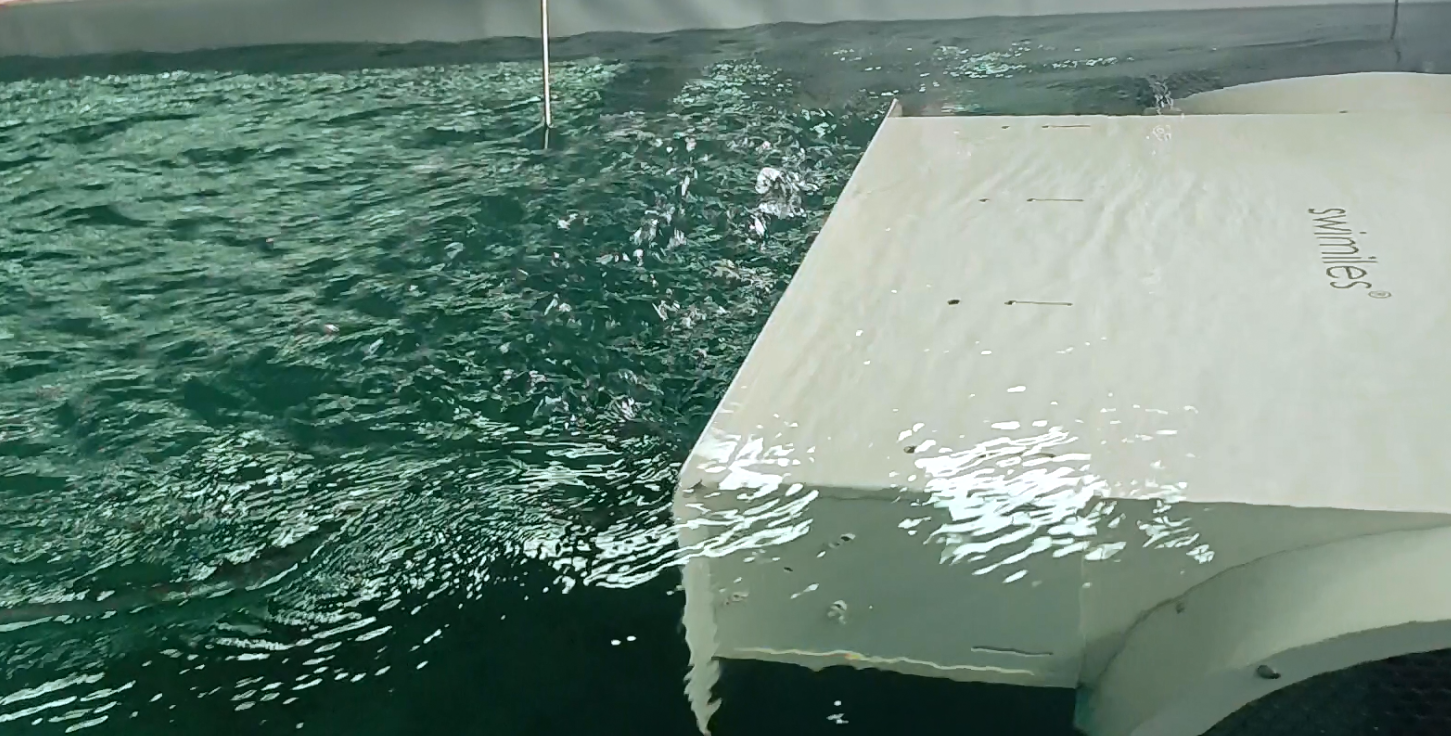
Counter current systems basically work by creating an artificial stream in the pool where swimmers have to fight against the water flow, kind of like what happens when swimming in real open water conditions. Traditional pools just sit there, but counter current tech uses specially placed jets that can be adjusted to different strengths. This lets athletes stay in one spot while they get all the benefits of long distance swimming and work on their technique at the same time. The whole idea is pretty similar to dealing with river rapids or coastal currents, which makes for much better preparation compared to regular pools where everything stays still. Most competitive swimmers swear by this method because it really does feel closer to actual race conditions out in nature.
The Role of Jet Design and Flow Regulation in Mimicking Open Water
What makes counter current swimming feel realistic comes down to how those jets are engineered and controlled. Modern setups often feature narrow nozzles that shoot water at high speeds, placed in a staggered pattern across the pool floor. This creates broader, more even currents throughout the tank. Swimmers can adjust the speed settings anywhere between half a meter per second all the way up to 4.5 meters per second, which lets them practice everything from peaceful lake conditions right through to rough ocean waves. According to research published last year in hydrodynamics journals, pools equipped with twelve or more jets cut down on dead spots by around two thirds when compared to older models with just six jets. That means fewer interruptions in the water flow as different layers transition smoothly into each other during training sessions.
Laminar vs. Turbulent Flow: Achieving Natural Resistance in Swim Training
Today's aquatic training systems manage both smooth laminar flows and chaotic turbulent ones to recreate conditions found in real open water settings. Straight sections tend to have mostly laminar movement, but adding controlled turbulence helps simulate natural waves and currents that swimmers actually face. These elements play a big role in maintaining balanced strokes and efficient breathing patterns during long swims. A recent study from 2024 looking at swimming biomechanics showed something interesting too. Swimmers who trained in pools with these mixed flow conditions managed to cut their 5K open water race times down by about 8 percent compared to those stuck in pools with only smooth laminar water flow throughout.
Water Flow Dynamics That Simulate Open-Water Resistance
Engineering consistent, adjustable currents for realistic swimming resistance
What makes CounterCurrent Systems so realistic for open water training? It all comes down to their carefully designed water flow patterns. The variable speed pumps can be adjusted between 2 and 7 miles per hour when needed, working together with specially shaped nozzles to produce smooth currents similar to what swimmers experience in nature. According to research published in the Journal of Hydraulic Engineering back in 2023, these systems keep water flow within about 5% consistency most of the time, which means athletes can really target specific levels of exertion during their workouts. Looking at recent computer modeling studies shows something interesting too: those tapered inlet designs cut down on water turbulence by around 34% compared to older round jet systems. This results in much smoother swimming conditions where resistance feels more consistent and predictable throughout each session.
Swimming against the current: How resistance enhances endurance and technique
Swimming against constant water resistance leads to muscle changes that just don't happen when training in regular pools. Research from 2023 showed that athletes who trained with CounterCurrent Systems saw their stroke efficiency jump by around 22% and their VO2 max increase by about 15% after eight weeks of training, which is pretty impressive compared to what most people get from normal pool workouts. These systems can adjust resistance between zero and 300 Newtons, which means swimmers have to really focus on getting their hands into the water properly and timing their body rotations just right something that makes a huge difference when racing in open water. According to studies on how water moves around the body, keeping up with this kind of resistance helps swimmers hold better positions even when they start feeling tired, much like what happens during long swims in the ocean where conditions are constantly changing.
Case study: Flow performance in modern vs traditional hydrodynamic systems
Testing done by independent labs shows there's a big gap when it comes to water flow quality between old and new systems. The latest tech keeps around 95% laminar flow at any speed from half a meter per second right up to 2.5 meters per second. Traditional swim jets tell a different story though. Once they hit speeds over 1.8 m/s, turbulence jumps by about 40% according to research published in the Aquatic Engineering Journal back in 2022. What does this mean for swimmers? Butterfly stroke times become 28% more consistent, and flip turns align better by roughly 17%. Energy savings are impressive too. Newer systems only need 1.2 kilowatts for every thousand gallons moved compared to 2.1 kW needed by older equipment. So basically, better technology means cleaner water movement during training sessions and significantly lower electricity bills for pool operators.
Technological Advancements That Enhance Realism and Training Precision
Variable-Speed Technology and Adjustable Flow Rates for Personalized Training
Modern CounterCurrent Systems use microprocessor-controlled motors to deliver flow rates from 0.4 to 2.5 meters per second, allowing swimmers to replicate everything from calm lake swims to oceanic chop. Programs sync current intensity with interval timers ideal for simulating triathlon start surges or open-water drafting scenarios.
Customizing Current Strength and Width to Match Swimmer Needs
Advanced systems feature adjustable flow apertures (28 50 inches wide) to accommodate different stroke techniques. Narrower currents force precise alignment for sprinters, while broader flows let distance swimmers practice bilateral breathing without exiting the laminar zone.
Key Innovations in Modern CounterCurrent Systems for Immersive Training
Three advancements elevate realism:
- AI-Powered Current Modulation: Automatically adjusts resistance based on swimmer’s real-time stroke rate
- Depth-Adjusted Turbulence: Creates wave patterns matching coastal water depths (4 8 ft simulations)
- Haptic Feedback Platforms: Vibrating pool floors signal interval changes, eliminating visual distractions
Studies demonstrate these features improve open-water navigation skills 37% faster than traditional lap pools.
Are Premium Systems Worth It for Amateur Swimmers? A Practical Analysis
While elite models ($14K $22K) offer hyper-realistic conditions, mid-tier systems ($7K $12K) provide 80% of training benefits. Data shows recreational users training three times weekly gain 19% more endurance in eight weeks versus non-users, making even basic systems ROI-positive for committed amateurs.
Simulating Open-Water Environments in Residential and Training Pools
How CounterCurrent Systems Recreate Open-Water Conditions Indoors
CounterCurrent systems use some pretty clever hydraulic engineering tricks to mimic those one-way flow patterns we see in real oceans and lakes. These setups can push water at speeds around 2.5 meters per second according to a study published in the Aquatic Training Journal last year. What this means for swimmers is they get that constant resistance feeling similar to fighting against actual currents in nature. The system has these adjustable jets that change how turbulent the water gets, letting users experience everything from smooth lake surfaces all the way to rougher coastal conditions where waves crash harder against the shore.
Adjustable Flow Pools as a Tool for Year-Round Endurance Training
Modern systems like those featured in the Global Aquatic Training Report offer precision flow control, enabling athletes to maintain race-specific stroke rates regardless of season. A 2023 study found swimmers using adjustable current pools improved 100m freestyle times by 4.2% compared to static pool training.
Trend: Rising Adoption of Endless Pools for Home-Based Swim Training
Residential installations of CounterCurrent systems surged 28% last year (Aquatic Industry Trends Report 2023), driven by compact designs that fit standard backyards. The Indoor Pool Technology Guide highlights systems combining current generation with real-time performance tracking, making Olympic-level training accessible at home.
Training Applications for Competitive Athletes and Triathletes
Using CounterCurrent Systems for Open-Water and Endurance Preparation
CounterCurrent systems are now pretty much a must-have for athletes getting ready for open water competitions. They create those controlled conditions where swimmers can work on building the kind of endurance needed for actual race situations. The systems pump out adjustable currents going as fast as 2.5 meters per second, which means swimmers can push themselves hard without tiring too quickly while still working on their stroke mechanics. Most triathletes stick to around 30 minutes of tough sessions fighting constant resistance, something that really mimics what happens during long ocean swims. Research published in the Journal of Sports Engineering back in 2023 found that sticking with this type of training for about eight weeks leads to roughly 12 to 18 percent better lactate thresholds among participants.
Tailoring Sessions for Triathletes and Open-Water Swimmers
Three key adjustments optimize CounterCurrent systems for multisport athletes:
- Variable-width flow to mimic drafting scenarios or solo swimming
- Intermittent surge programming that replicates sudden tidal changes
- Biometric integration with heart rate monitors to maintain zone-specific training
Open-water specialists often combine 20-minute steady-state efforts with short, high-velocity bursts to build both aerobic capacity and adaptability a method shown to reduce race-day fatigue by 22% compared to pool-only training (Swim Performance Quarterly 2024).
Strategy: Replicating Race Conditions With Variable-Speed Current Training
Elite coaches program CounterCurrent systems using competition data:
- Tide simulation with 15 30 second flow increases matching coastal current patterns
- Recovery intervals that mirror actual race wave frequencies
- Sight practice segments where flow direction shifts unpredictably
This targeted approach helps athletes develop the proprioceptive awareness needed for mass-start events, with one Olympic training center reporting a 31% improvement in course-holding accuracy after implementing variable-current drills.
FAQ
What are counter-current systems?
Counter-current systems are swimming pool technologies that create artificial water streams for swimmers to swim against, replicating open-water conditions for enhanced training and technique improvement.
How do counter-current systems benefit competitive swimmers?
These systems offer adjustable flow speeds and realistic water dynamics, allowing swimmers to simulate race conditions, improve stroke efficiency, and build endurance akin to open-water swimming.
Are there cost-effective options for amateur swimmers?
Yes, mid-tier systems priced between $7K and $12K provide about 80% of the training benefits of elite models, making them a good investment for recreational swimmers seeking improved endurance.
Can counter-current systems be installed at home?
Absolutely. With compact designs and rising adoption trends, counter-current systems can be integrated into residential settings, allowing for year-round home-based swim training.
Table of Contents
- How Counter-Current Systems Replicate Natural Swimming Conditions
- Water Flow Dynamics That Simulate Open-Water Resistance
- Technological Advancements That Enhance Realism and Training Precision
- Simulating Open-Water Environments in Residential and Training Pools
- Training Applications for Competitive Athletes and Triathletes
- FAQ