
 EN
EN
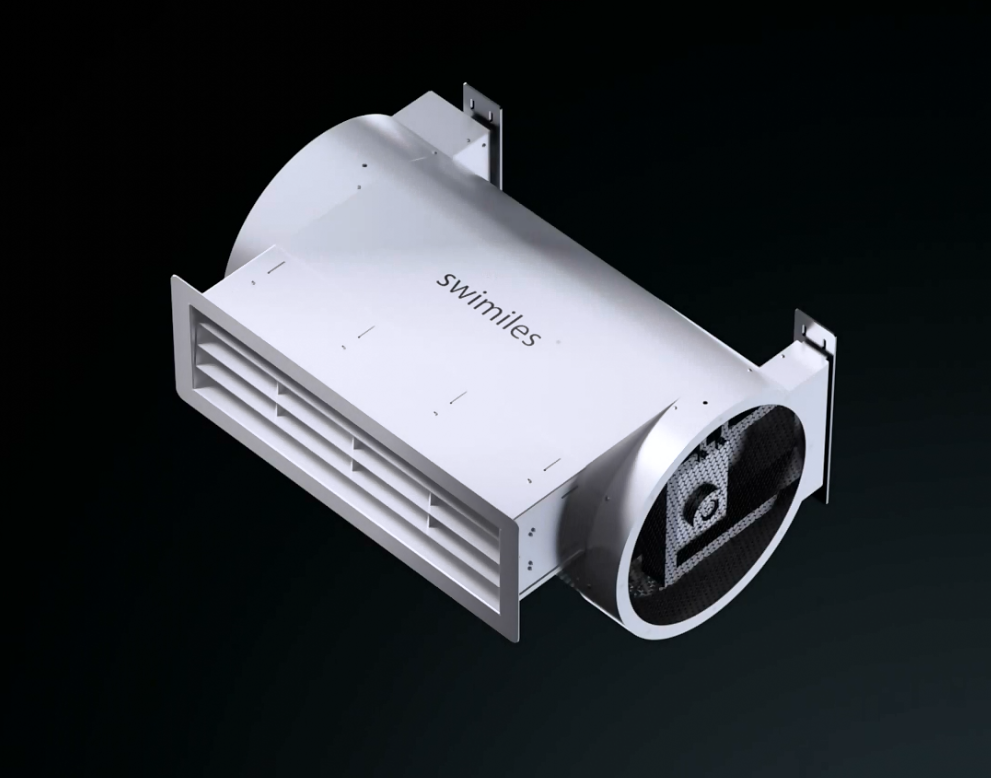
Why Standard Waterproofing Fails Counter Current Systems
Operational reality: continuous water exposure in pools, spas, and HVAC chillers
Counter current systems face non-stop water exposure around the clock, way beyond what standard waterproofing solutions are built for. Pools and spas put seals through constant submersion and steady hydrostatic pressure. Meanwhile, HVAC chillers deal with temperature changes often surpassing 40 degrees Fahrenheit. All these factors wear down materials much quicker than normal wet-dry cycles would. Traditional waterproof coatings simply aren't up to the task since they were made for occasional rain exposure, not the ongoing chemical bath environments where chlorine levels regularly hit dangerous concentrations. Water seeps through tiny cracks and capillaries under hydrostatic pressure, leading to blisters forming in just a few months. Standard rigid sealants crack when exposed to repeated heating and cooling cycles because different materials expand at different rates. Metal expands roughly 0.000012 per degree Fahrenheit, whereas nearby plastics like PVC expand almost four times as fast.
Critical vulnerability points, joints, submerged electronics, and thermal cycling seals
There are basically three main problems that work together to reduce system reliability. The motor flange connections tend to move slightly during operation, sometimes as much as half a millimeter because of all the vibrations they experience. This tiny movement actually cuts through regular caulking bonds over time. Then there's the issue with submerged electronics. Even components marked as IP67 rated will eventually fail when exposed to chlorine, which eats away at rubber gaskets and reduces their sealing power by around 15% each year. Another big problem comes from thermal expansion differences between materials. Brass expands at about 0.000011 per degree Fahrenheit while PVC expands four times faster at 0.000040 per degree. These different expansion rates put extra stress on seals until they finally tear apart. Most systems using just one layer of protection typically give out after about three years in service. To really solve these issues, manufacturers need to implement dual seal compression joints along with circuit boards that have been properly coated to protect against moisture and chemicals.
Counter Current System-Specific Waterproofing Standards
Beyond IP ratings: NSF/ANSI 50, ASTM D5385-22, and ISO 22769:2023 requirements
Standard IP ratings only look at how well something holds up against standing freshwater, not the harsh realities of counter current systems where chemicals are constantly attacking materials. For these tougher environments, there are special standards that actually matter. Take NSF/ANSI 50 for instance, which checks if equipment can survive exposure to chlorine and other pool chemicals while dealing with pH changes. Then there's ASTM D5385-22 that puts seals through their paces with lots of heating and cooling cycles. And don't forget about ISO 22769:2023, designed specifically for saltwater conditions found in marine applications. What makes these different from regular waterproof testing? They all require components to go through 1000 hours of accelerated aging tests. These tests check for things like breakdown from water molecules, sudden pressure spikes, and damage from oxidation processes. Basically, they're way more thorough than just seeing if water gets in or not.
Why 'waterproof' labeling misleads, chlorine, salt, and UV degradation realities
Those "waterproof" labels on products usually miss the mark when it comes to actual wear and tear over time. Take chlorine for instance at around 3 parts per million concentration, which breaks down polymer seals nearly half again as fast as regular tap water would according to research from Plastics Engineering Society back in 2023. Silicone joints start getting brittle after about 18 months under UV light exposure too. And don't even get me started on saltwater immersion tests showing galvanic corrosion rates triple what we see in freshwater conditions. The problem is many people trust IP68 ratings completely, but this standard doesn't account for chemicals, temperature changes, or sunlight damage factors that really matter if systems need to last beyond their warranty period.
Component-Level Waterproofing Best Practices for Counter Current Systems
Motor housings: dual-seal systems with conformal-coated windings
Dual mechanical seals, such as ceramic/silicon carbide faces paired with elastomeric shaft seals, block multiple intrusion pathways simultaneously. Conformal coatings applied to windings and PCBs form micron-thin, thermally conductive moisture barriers. For chemically treated water, epoxy-based coatings outperform acrylic alternatives due to superior chlorine resistance and adhesion stability.
Control panels: NEMA 4X enclosures with active desiccant breathers
Stainless steel or fiberglass enclosures rated NEMA 4X stand up well against corrosion caused by chlorinated water and saltwater exposure. These enclosures often come equipped with pressure equalizing breathers that have built-in desiccants to stop condensation when temperatures change, like when equipment switches from sitting idle to active operation. The internal humidity sensors act as an early alert system for moisture buildup inside the enclosure. This matters a lot because according to recent studies from the Electrical Safety Foundation, almost half of all electrical problems in watery environments happen due to condensation going unnoticed until it's too late.
Piping interfaces: EPDM gaskets + UV-stabilized silicone bonding
- Joint sealing: EPDM gaskets deliver proven resilience in permanently submerged zones, resisting ozone, chlorine, and thermal aging.
- Adhesive selection: UV-stabilized silicone sealant maintains flexibility across temperature swings at pipe-conduit junctions.
- Stress relief: Looped cable entries absorb vibration and hydraulic pressure shifts, preventing sealant cracking and maintaining long-term integrity.
Future-Proofing Counter Current System Reliability
To stay ahead of the curve means moving away from fixed specs toward designs that adapt throughout their entire lifespan. With modular systems in place, updates to protocols happen smoothly without messing up those critical sealed connections. For parts exposed to harsh environments like chlorine or saltwater, we need materials that stand up to corrosion. Think titanium sensors and those special fluoropolymer coatings that really make a difference. The whole game changes when remote monitoring comes into play. By keeping tabs on how seals hold up, watching humidity patterns, and catching unexpected temperature spikes early, maintenance becomes proactive rather than reactive. Security is another big deal too. The protocols protecting IoT connected controls need regular updating as threats evolve. And let's not forget about tracking parts through their digital lifecycles so replacements still meet those original waterproof standards. All these approaches together completely change how we look at waterproofing. It stops being just about meeting regulations and becomes an ongoing protection strategy that keeps equipment running longer in everything from backyard pools to industrial cooling systems.
FAQ
Why do standard waterproofing methods fail in counter current systems?
Standard waterproofing methods fail in counter current systems due to continuous water exposure, chemical attacks, temperature fluctuations, and pressure changes that are much harsher than what traditional waterproofing can handle.
What standards are specific to waterproofing counter current systems?
NSF/ANSI 50, ASTM D5385-22, and ISO 22769:2023 are standards specific to counter current systems, focusing on chemical resistance and durability in harsh environments like chlorinated or saltwater conditions.
How can systems be future-proofed against water exposure?
Systems can be future-proofed by using modular designs, corrosion-resistant materials, remote monitoring, and maintaining adherence to updated protocols that account for environmental changes.