
 EN
EN
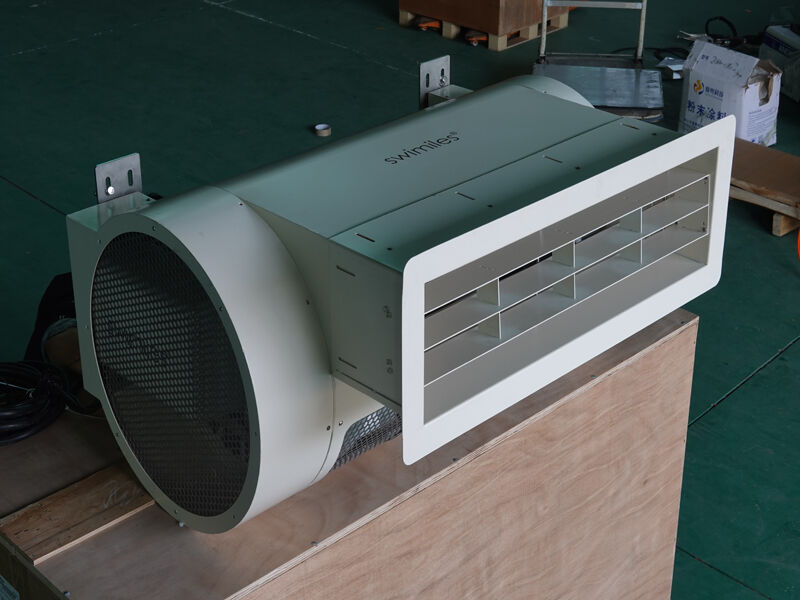
How a Counter Current System Works: Core Technology and Engineering Principles
Pump-Based Resistance Generation and Binder Turbine Flow Dynamics
Counter current systems create controlled resistance through industrial strength centrifugal pumps equipped with specially designed impellers. When these pumps push water directly at the swimmer, they essentially create what feels like staying in one place while swimming hard. The system includes something called a binder turbine with those curved vanes that help reduce turbulence problems and keep pressure levels stable throughout the swim area. What does this mean practically? Water speed stays pretty much the same with only about 2% variation when running, so athletes get consistent resistance every time they train technically or work on their physical conditioning. The way electricity gets converted into hydraulic power has been made as efficient as possible. Plus, the pump casings are built from materials that resist corrosion even after years of exposure to chlorine in pool water, which means these systems last longer than regular pool gear typically does.
Laminar Flow Design and Multi-Stage Velocity Control (0.5–2.5 m/s, up to 1,200 m³/h)
Laminar flow remains a key feature in high quality training environments. This smooth, uninterrupted movement gets created using special diffusion chambers along with flow straightening grids that get rid of those annoying vortex disruptions. The system allows adjustment of speed across ten different settings ranging from just 0.5 meters per second for things like rehabilitation exercises or technique drills all the way up to 2.5 meters per second which simulates elite level sprinting performance. Maximum air throughput reaches 1200 cubic meters per hour making it possible for multiple users to train simultaneously without issues. Built in digital pressure sensors keep track of hydraulic conditions at all times and automatically adjust when factors such as filter buildup or changes in fluid viscosity occur due to temperature fluctuations. These adjustments help maintain consistent laminar flow throughout each session while keeping power consumption under control at less than 0.8 kilowatt hours per hour of operation.
Integrated Safety, Filtration, and Smart Control in Modern Counter Current Systems
Real-Time Safety Sensors, Self-Cleaning Filtration, and IoT-Enabled Interface Architecture
Today's advanced aquatic equipment combines safety features, cleanliness protocols, and smart technology all in one system design. When something blocks the water path, special sensors stop the flow right away, which helps prevent people getting stuck especially when they're working out hard. At the same time, continuous pressure checks protect the pumps from burning out due to too much strain. The self cleaning filters work through spinning action that separates debris, plus automatic flushing routines keep the water clear without anyone needing to manually clean them. This cuts down on maintenance time needed for pools by around 40 percent according to industry reports. There's also a secure internet connection built in so staff can tweak water speeds remotely within a range of plus or minus 0.1 meters per second using their smartphones. The system tracks various performance stats like how many strokes someone takes, their lap times, and even heart rates, linking these measurements directly to athletes' personal health data. These combined technologies not only make workouts safer for participants but also help pool operators run their facilities more efficiently day after day.
Professional Swim Training Applications Enabled by the Counter Current System
Year-Round Technique Refinement: Crawl, Pull Buoy, and Sprint Drills Under Controlled Hydrodynamic Load
Counter current systems let athletes develop their techniques without worrying about seasons or weather conditions. With adjustable water speeds ranging from 0.5 to 2.5 meters per second, swimmers can focus on specific aspects of their strokes during freestyle swimming, work on proper body positioning using pull buoys, and practice those powerful bursts needed for sprints all in one place where the water stays smooth and predictable. When there's no turbulence messing things up, small changes become much easier to notice and measure. Think about how fine adjustments like when hands enter the water or timing of kicks suddenly stand out clearly. Many coaches report seeing improvements happen around 30% quicker compared to regular pool training methods. This happens because swimmers get constant feedback from the water resistance they're actually feeling throughout each session.
Strength, Endurance, and Neuromuscular Adaptation: Evidence from Elite Triathlon and NCAA Division I Programs
When athletes follow progressive overload through counter current systems, their bodies undergo measurable changes that improve overall performance. Research from NCAA Division I programs shows that teams doing 90 minute endurance sessions at around 75 to 85 percent of maximum flow capacity saw their VO2 max jump by 12% after just eight weeks according to the Journal of Sports Science in 2023. Top triathletes specifically use techniques where they rapidly adjust speed to simulate the unpredictable surges found in open water competitions, which helps them maintain better control even when tired. Olympic training facilities have noticed something interesting too: when coaches combine real time water flow data with traditional resistance work, athletes show about an 18% boost in power during the crucial catch phase of their strokes. This proves that carefully managed water resistance training really does build those specific strength patterns needed for competitive success in aquatic sports.
Key physiological adaptations observed:
- Aerobic capacity: 9–12% increase in critical velocity thresholds
- Stroke efficiency: 15% reduction in oxygen cost per 100m
- Force production: 20% peak power improvement during sprint intervals
With no turn interruptions and exact current repeatability, athletes accumulate 40% more quality yardage per session versus conventional lap swimming—accelerating compound performance gains.
Precision Performance Customization for Elite Athletes Using the Counter Current System
Sub-Meter-Per-Second Flow Tuning (±0.1 m/s) and Real-Time Biofeedback Integration
Elite training demands hyper-personalized hydrodynamic environments—and modern systems deliver sub-meter-per-second flow precision (±0.1 m/s) to match individual power curves, race pacing strategies, or targeted weaknesses. This level of calibration is essential for distinguishing sprint development from endurance adaptation.
Real-time biofeedback transforms static resistance into an adaptive training partner. Integrated metrics on stroke symmetry, force application, and metabolic efficiency feed directly into dynamic flow control. For example:
- Velocity-Specific Power Training: Maintain 1.8 m/s flow despite fatigue to simulate final-lap race demands
- Technique Correction: Automatically reduce flow if stroke asymmetry exceeds a 5% threshold
- Metabolic Conditioning: Sustain 2.1 m/s to hold 90% max heart rate for interval work
Research into hydrodynamic performance shows these adaptive methods boost neuromuscular adaptation somewhere around 35-40% when compared against traditional fixed resistance approaches. When we look at elite competitions, those tiny differences matter a lot. The difference between winning gold or silver can come down to mere hundredths of seconds, sometimes as little as 0.3 meters per second variations in water flow. That kind of precision turns the counter current system from being just another piece of equipment into something much more important. Athletes and coaches now see it as fundamental to their training regimen, representing real progress backed by actual data rather than guesswork.
FAQs about Counter Current Systems
What is a counter current system?
A counter current system is a pool technology that uses pumps to generate water flow, allowing swimmers to simulate swimming without needing a long pool lane.
How does a counter current system benefit swimmers?
It provides controlled resistance for training, consistent water speed, and allows technique refinement without interruptions, leading to improved performance.
Can multiple swimmers use the system simultaneously?
Yes, high-quality systems with laminar flow design support multiple users without interference.
What safety features are included in modern counter current systems?
These systems include real-time safety sensors that stop water flow if an obstruction is detected, and self-cleaning filters to maintain water clarity.
Table of Contents
- How a Counter Current System Works: Core Technology and Engineering Principles
- Integrated Safety, Filtration, and Smart Control in Modern Counter Current Systems
- Professional Swim Training Applications Enabled by the Counter Current System
- Precision Performance Customization for Elite Athletes Using the Counter Current System
- FAQs about Counter Current Systems