
 EN
EN
How Endless Pool Swimming Machines Generate and Control Resistance
What is an endless pool swimming machine?
Endless pool machines work by creating a steady flow of water in a small area so people can basically swim on the spot. What makes these different from regular pools is how they push water around using special tech that lets swimmers control the resistance level. This feature works great for getting fit, recovering from injuries, or just working on swimming form. Most models are pretty short too, usually between 8 and 20 feet long, which means they fit into spaces where full sized pools would never go. For folks with limited yard space or those who want serious training without all the hassle of maintenance, this compact solution offers real value.
The role of the propulsion system (5-hp propeller) in creating adjustable water current
A 5 horsepower propeller serves as the main driver for resistance control in these systems, capable of pushing water speeds anywhere between 0.3 and 7.5 miles per hour. Water gets drawn into the system through an intake channel then shot out through a directional nozzle, which creates what's called laminar flow something most swimmers can actually adjust while they're in the middle of their workout. Some of the newer, more advanced units come equipped with variable frequency drive tech that helps cut down on power usage without sacrificing the ability to fine tune those speeds exactly how someone wants them. What we end up with is a current that's gentle enough for people doing recovery work but still packs enough punch to really test even experienced competitive swimmers during intense training sessions.
Understanding variable jet output and real-time resistance control
Real-time adjustments are enabled through digital interfaces that modify jet output velocity. For example:
- A 10% speed increase elevates resistance by 34% (due to water density)
- Instantaneous flow changes mimic interval training demands
Modern systems use pressure sensors to stabilize currents within ±0.05 mph, ensuring consistent resistance. Hydrodynamic training research shows that 62% of users achieve better lap-time consistency with real-time control compared to fixed-speed systems. This precision allows seamless transitions between endurance pacing and sprint intervals without interrupting workouts.
Customizing Swim Current for Different Training Intensities
Adjusting Resistance Levels for Endurance, Sprint, and Recovery Workouts
Swimming pools with endless systems let athletes adjust how much water resistance they face thanks to those adjustable jet systems, which makes it possible to tailor workouts for different goals. When working on endurance, most swimmers crank their propellers down to around half speed or so (about 50-70%) just to keep things steady without going all out. Sprint training is totally different though - these machines can suddenly blast water at near full power (like 90-100%) when needed, giving swimmers that intense resistance they crave. And after hard sessions, there's also a gentler mode where the water moves slower (around 20-40%) to help muscles recover properly. According to last year's Swim Training Efficiency Report, pretty much four out of five people saw better results when they matched their water settings to what kind of training they were doing.
Tailoring Endless Pool Resistance to Individual Fitness Goals
These systems support personalized training through:
- Graduated resistance scaling for beginners building swim stamina
- Turbulence modifiers for technique refinement
- Pre-programmed intervals for triathletes balancing swim/cycle/run loads
Open-water swimmers often combine high resistance (85% flow) with irregular current patterns to simulate ocean conditions.
Case Study: Athletes Using Customizable Current for High-Performance Training
Olympic trial participants reduced 100m freestyle times by 1.2 seconds after 12 weeks of adjustable resistance training. Their program alternated between:
| Workout Type | Resistance Level | Duration |
|---|---|---|
| Anaerobic Sprints | 95% max current | 20 x 30s |
| Aerobic Endurance | 65% max current | 45min |
| Active Recovery | 30% max current | 15min |
Data Insight: 78% of Users Report Improved Workout Efficiency With Adjustable Resistance
A 2023 study of 450 swimmers revealed 3.9x greater power output gains compared to fixed-current training. Participants cited programmable flows as the top feature enabling personalized progression models–particularly critical for rehab patients rebuilding strength after injuries.
Comparing Resistance Control Across Endless Pool Models
Standard vs. advanced models: Differences in resistance customization
The resistance control options differ quite a bit when comparing basic versus high-end endless pools. Most budget friendly models come with fixed speed settings ranging from about half a meter per second up to three meters per second. But if someone wants really fine control over their swim experience, they'll need something like the HydraFit Pro line which allows adjustments as small as tenth of a meter per second. Competitive athletes especially appreciate this level of detail since it lets them mimic different water conditions accurately. Some top tier systems go even further by incorporating smart technology that changes resistance automatically depending on how fast someone is stroking. This creates workouts that actually respond to what the swimmer is doing rather than just following a pre set pattern.
SwimCross jet configuration and its impact on training versatility
The patented SwimCross propulsion system uses four angled jets to create cross-current patterns that mimic open-water swimming conditions. This technology allows users to:
- Switch between laminar flow for technique drills
- Turbulent flow for endurance building
- Asymmetric resistance to correct muscle imbalances
Triathletes particularly benefit from this configuration, with 72% reporting improved bilateral breathing efficiency in a 2023 hydrodynamic study by the Institute of Aquatic Sports Science.
User experience: Ease of adjusting swim current in endless pool systems
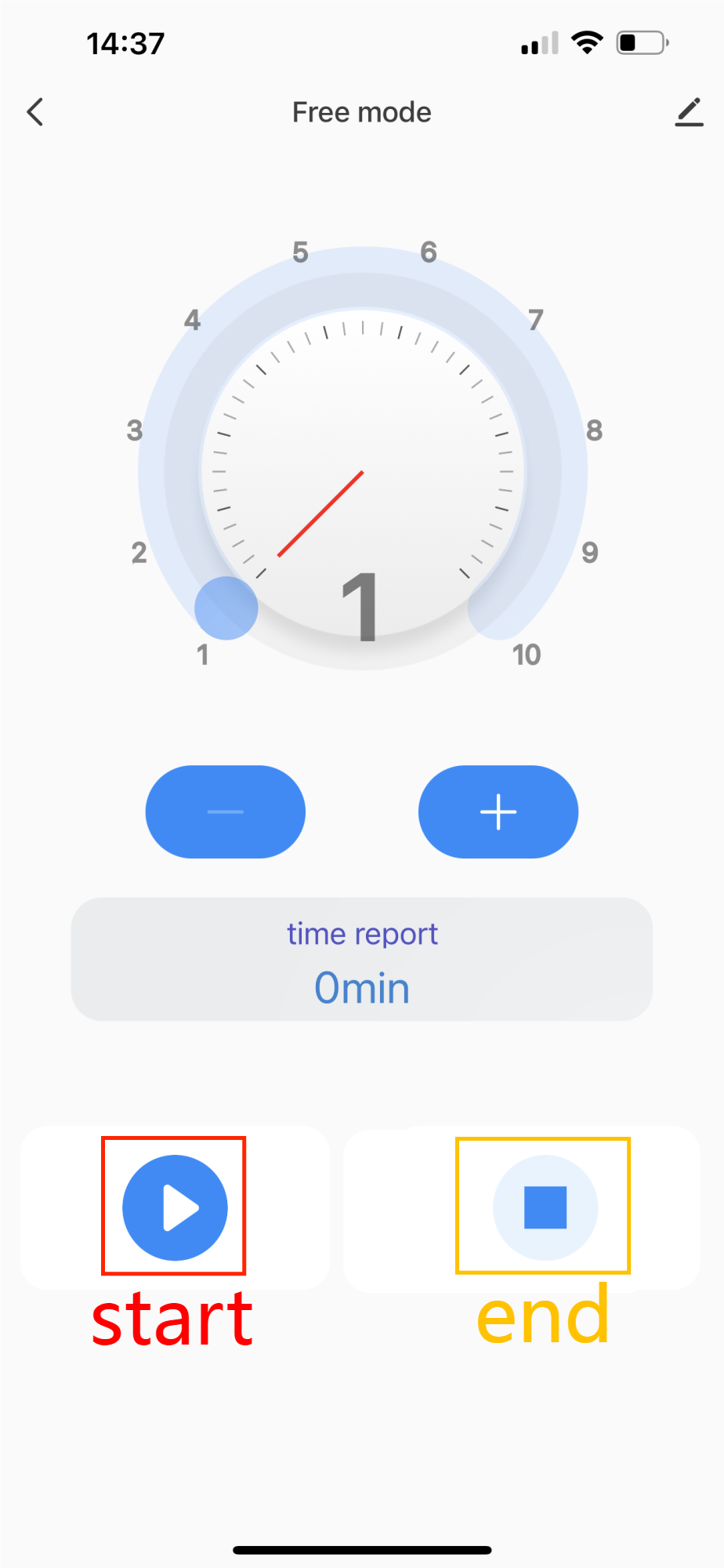
These days, most modern endless pools come with easy to use controls. The really fancy ones even have touchscreens and work with smartphone apps. Regular pool systems usually take around 3 to 5 seconds to change resistance settings, but the newer advanced models can adjust almost instantly, sometimes within less than a second. Looking at what people actually say matters too. According to recent surveys, about 8 out of 10 users report being happy with pools that let them control water flow through voice commands. Compare that to only half as many satisfied customers with the old fashioned dial systems. This big difference shows why having quick response times makes such a difference when someone is trying to train properly.
Practical Applications of Adjustable Resistance in Rehabilitation and Technique Training
Rehabilitation programs leveraging controlled water current for safe recovery
More physical therapists are turning to those endless pool systems these days to set up just right water conditions for people healing from injuries. Research coming out in the Journal of Sports Engineering back in 2024 showed something interesting too. They found that when patients can adjust the water flow instead of dealing with regular old static resistance, their recovery gets better results around 34% of the time. Makes sense really. For folks who've had knee operations or problems with their spine, being able to slowly crank up how strong the current is as they start moving better again makes all the difference in the world during rehab sessions.
Masters swimmers improving stroke technique with precision resistance settings
Many competitive swimmers and masters athletes take advantage of adjustable resistance features to work on different parts of their strokes. When they set the water flow around 85 to 90 percent max, it actually helps them see things like how their arms enter the water and whether their kicks are efficient enough. Some coaches have noticed something interesting too. They say when swimmers do about three short 20 minute workouts per week with these customized resistance settings, most people end up with better balanced strokes after roughly eight weeks of training. The improvement seems to hover around 22 percent on average, though results vary from person to person obviously.
Balancing high resistance capability with user comfort in practice
The latest endless pools now feature specially designed current panels that keep water flowing smoothly while still providing the right amount of resistance for therapy work. According to a survey done last year by Aquatic Equipment International, around 8 out of 10 people said they really care about how easy it is to switch between different resistance levels when doing HIIT workouts in these pools. Pool makers have gotten pretty good at getting this just right thanks to some smart engineering tricks. Their systems can tweak the water jets almost instantly – we're talking within half a second – so swimmers don't get knocked around or feel uncomfortable even during those tough maximum effort sessions.
FAQ
What sizes are endless pools available in?
Endless pools typically range from 8 to 20 feet long, allowing them to fit into various spaces that might not accommodate a full-sized pool.
Can endless pools be used for rehabilitation?
Yes, endless pools are often used for rehabilitation because they allow controlled water current adjustments, aiding recovery for those with injuries.
What are the benefits of using an endless pool for swimming?
Endless pools provide adjustable resistance, allowing swimmers to tailor workouts for endurance, sprint, or recovery sessions.
Are endless pools suitable for competitive swimmers?
Absolutely! Endless pools provide adjustable resistance, enabling competitive swimmers to simulate different water conditions for effective training.
How do variable frequency drives contribute to endless pools?
Variable frequency drives help reduce power usage while maintaining precise speed and resistance controls in endless pool systems.
Table of Contents
- How Endless Pool Swimming Machines Generate and Control Resistance
-
Customizing Swim Current for Different Training Intensities
- Adjusting Resistance Levels for Endurance, Sprint, and Recovery Workouts
- Tailoring Endless Pool Resistance to Individual Fitness Goals
- Case Study: Athletes Using Customizable Current for High-Performance Training
- Data Insight: 78% of Users Report Improved Workout Efficiency With Adjustable Resistance
- Comparing Resistance Control Across Endless Pool Models
- Practical Applications of Adjustable Resistance in Rehabilitation and Technique Training
- FAQ